What Is THCV? The ‘Diet Weed’ Cannabinoid vs What Human Studies Actually Measured
What is THCV? It’s tetrahydrocannabivarin, a minor cannabinoid that’s a close chemical cousin of THC with a shorter tail. It shows up in most cannabis plants in trace amounts, and in a few lines it shows up in much larger ones. Online it gets sold as “diet weed,” the clear-headed, appetite-curbing cannabinoid. The honest short version: the human research is small, mostly industry-funded, and much less exciting than the marketing. At the doses people have actually taken in trials, 10 mg of the common form felt like placebo. The biggest diabetes trial found no change in weight or appetite.
Below, we answer what is THCV in plain chemistry, sort out whether it gets you high, and lay out every published human THCV study in one table: who was in it, what dose, what changed, and who paid for it. Then we cover the “diet weed” claim, where THCV comes from, and how to read a THCV label without getting played. Quick framing: this is education for adults 21+. Cannabis and hemp laws differ by state and country, so know yours.
What is THCV? The short answer
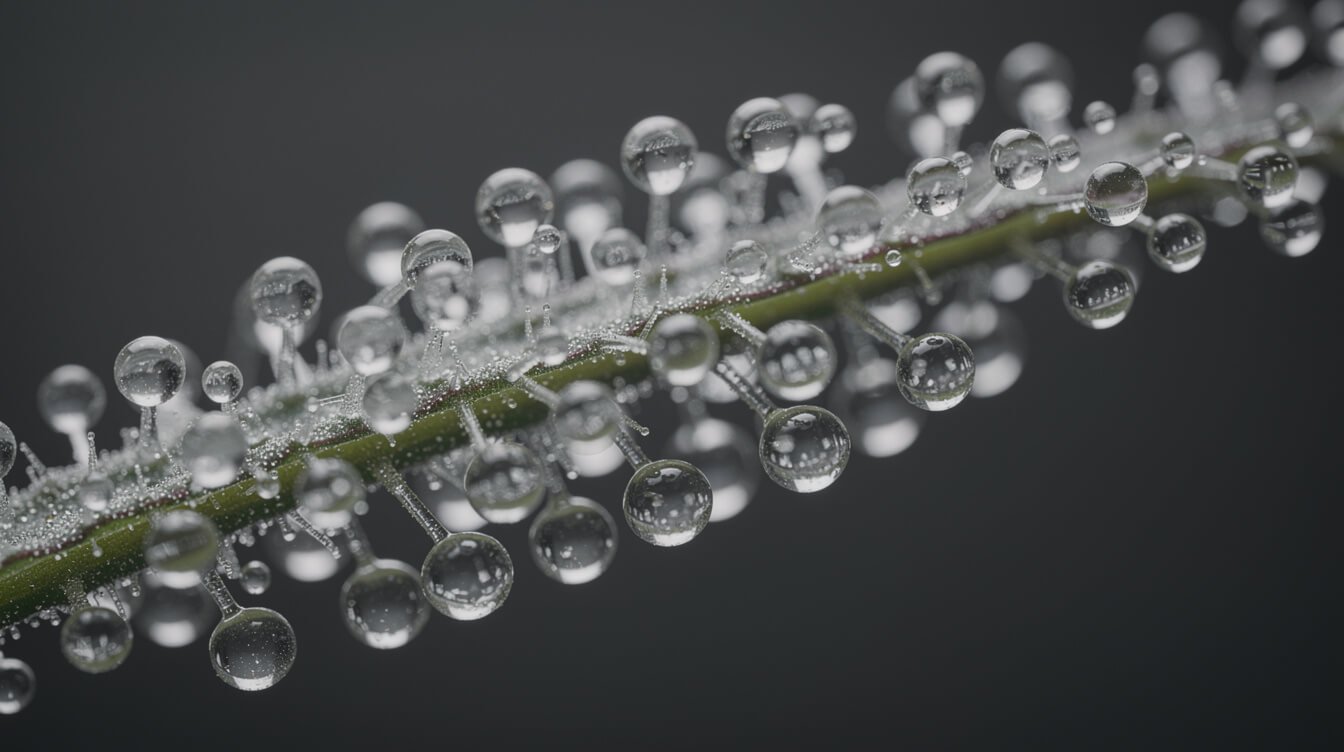
THCV is a cannabinoid made in the same resin glands, the trichomes, that make THC. Structurally it’s THC with a shorter side chain. THC carries a five-carbon (pentyl) tail, and THCV carries a three-carbon (propyl) one. That’s why the formulas differ: PubChem lists THC as C21H30O2 and THCV as C19H26O2 (PubChem, THCV). Two carbons is a small edit on paper, but it changes how the molecule sits in your cannabinoid receptors.
The name decodes the same way. “Tetrahydrocannabi-” is shared with THC, and “-varin” is the tag chemists use for the three-carbon family. CBDV and CBGV are the propyl versions of CBD and CBG. (Our breakdown of what THC stands for walks through the rest of the name, piece by piece.)
How the plant builds it:
- A different starter molecule. THC’s pathway starts from olivetolic acid. The varin family starts from a shorter cousin, divarinic acid (also written varinolic acid), which gets built into CBGVA, the propyl version of the “mother” acid we cover in what is CBG.
- Same enzyme, shorter tail. The THCA synthase enzyme turns CBGVA into THCVA, the raw acid form.
- Heat finishes the job. Like THCA becoming THC, THCVA decarboxylates into THCV when it’s smoked, vaped, or baked.
So if someone asks you what is THCV in one sentence: it’s THC’s short-tailed cousin, made the same way from a different starting block, and usually present at a fraction of THC’s level.
Does THCV get you high? It depends on the dose, and on which THCV
Right after what is THCV, this is the question behind most searches, and the honest answer has two parts.
Part one: the receptor story is dose-dependent
THC is a partial agonist at the CB1 receptor, the main receptor behind the high: it switches the receptor on. In lab tissue, THCV mostly does the opposite. A 2005 study on mouse brain membranes and isolated mouse tissue found it behaved as a competitive CB1 and CB2 antagonist, blocking the receptor instead of activating it (Thomas et al., 2005). In live mice, low intravenous doses blocked some of THC’s effects, while higher doses given alone started to produce THC-like effects (Pertwee et al., 2007).
Rats show the same flip. In a 2025 drug-discrimination study, rats were trained to recognize THC. A middle dose of THCV partly “felt like” THC to them, while a higher dose reduced their response to THC (Kayir et al., 2025). A 2023 rat study using the same kind of test found THCV had little effect at all. Animal data, in other words, are dose-dependent and not fully consistent.
Part two: what people actually felt
- 10 mg of the common form (Δ9-THCV) felt like nothing. In a five-day trial, 10 men took 10 mg a day. Six of them correctly guessed whether they had THCV or placebo, about what you’d get by coin flip. The authors called THCV “indistinguishable from placebo” (Englund et al., 2016). Two single-dose 10 mg brain-scan studies also found no subjective effects.
- Very high doses of a different form registered. The only human dose-ranging study used Δ8-THCV, a related isomer, at 12.5 to 200 mg by mouth in 21 adults. Only the 100 and 200 mg doses raised ratings of “feel a drug effect” and “like the drug effect,” and euphoric mood was the most common side effect (Peters et al., 2023). Canopy Growth sponsored it, and most of the authors worked there.
So “non-psychoactive” is too strong, and “a clear, energetic high” is unsupported. The accurate line: at around 10 mg, Δ9-THCV hasn’t produced a noticeable effect in people, and only very large doses of Δ8-THCV produced modest drug-like ratings. You’ll see sellers state human thresholds like “under 5 mg it blocks THC, over 10 mg it gets you high.” Those numbers come from injected mice and rats dosed per kilogram, not from people. (For the wider “upper or downer” question, see is weed a stimulant or depressant.)
Every human THCV study, in one table

Most pages answer what is THCV with one long list of “benefits” that blends mouse studies, cell studies, and human trials. Here are only the published studies in people, sorted, with the parts that usually get left out. Each row reports what that trial measured in that group, nothing more.
| Study | Who | Dose and length | What it found | Funding / ties |
|---|---|---|---|---|
| Tudge 2015 | 20 healthy volunteers (10 women), average age about 25 | Single 10 mg Δ9-THCV, crossover vs placebo | No change in how pleasant or wanted chocolate was. Brain responses rose to both chocolate and an unpleasant moldy-strawberry stimulus. | An author consulted for GW Pharmaceuticals |
| Rzepa 2015 | 19 analyzed, ages 20–36 | Single 10 mg Δ9-THCV, crossover vs placebo | Changes in resting brain connectivity on scans. No subjective effects. | Supported by GW Pharma |
| Englund 2016 | 10 men aged 21–33 with light past cannabis use | 10 mg/day Δ9-THCV for 5 days, then 1 mg IV THC; crossover vs placebo | THCV alone felt like placebo. 9 of 10 said THC felt weaker. Some THC effects were blunted; memory intrusions went up (details below). | Funded by GW Pharmaceuticals |
| Jadoon 2016 | 62 adults with type 2 diabetes, average age 59, split across 5 arms | 5 mg Δ9-THCV twice daily (one arm) for 13 weeks, vs placebo, CBD, and combos | Primary outcome (HDL cholesterol) unchanged. Fasting glucose lower than placebo. No change in weight, waist size, or appetite. | Supported by GW Research; GW co-author |
| Peters 2023 | 21 adults | Single doses of Δ8-THCV, 12.5–200 mg | Drug-like ratings only at 100 and 200 mg. 78 of 79 urine screens after active doses came back THC-positive. | Sponsored by Canopy Growth; most authors employees |
| Smith 2025 | 56 enrolled, 44 analyzed, average age about 52 | THCV plus CBD dissolving strips (8+10 mg or 16+20 mg daily) vs placebo, 90 days | More weight lost in both strip groups than on placebo. Completers only, one-tailed tests, placebo group of 10. | Sole author from NeX Therapeutics |
Two more you’ll see cited. A 2024 conference poster from Phylos Bioscience compared a THCV+THC gummy, a THC-only gummy, and placebo in cannabis users. It had no THCV-only arm and, as of this writing, hasn’t appeared in a peer-reviewed journal. And a 207-person GW Pharmaceuticals trial of THCV in type 2 diabetes was completed in 2016, with no results posted and no paper we could find.
Read the table as a whole and three things stand out. Every study is small, with 10 to 62 people. Nearly all were funded or run by companies with a stake in cannabinoids. And the results most often quoted online, appetite loss and weight loss, either weren’t found (Tudge, Jadoon) or came from a THCV-plus-CBD product that can’t isolate THCV (Smith).
The “diet weed” claim: what is THCV actually shown to do for appetite?
The “diet weed” label grew out of a real piece of pharmacology. Blocking CB1 reduces appetite. A drug that did exactly that, rimonabant, was approved in Europe as a weight-loss drug in 2006 and suspended in 2008 over psychiatric side effects. THCV blocks CB1 in lab tissue, so marketers drew a straight line: THC gives you the munchies, THCV must do the opposite.
Here’s what happened when researchers checked that in people:
- Tudge 2015 looked straight at food reward. One 10 mg dose didn’t change how pleasant, wanted, or intense people rated chocolate. It also had no effect on chocolate taste alone. The brain scans did change, with more activity to both the rewarding and the unpleasant food cues. That’s interesting neuroscience, but it isn’t appetite suppression.
- Jadoon 2016 ran 13 weeks. THCV made no significant difference to body weight, waist size, or appetite. The authors noted that “no such change was seen with THCV,” in contrast to rimonabant. Reduced appetite was reported at similar rates in every arm, placebo included.
- Smith 2025 is the one weight-loss result. People on THCV+CBD strips lost about 2.6 kg (low dose) and 4.1 kg (high dose) over 90 days, against 0.1 kg on placebo. But the product combined two cannabinoids, only completers were analyzed, the placebo group had 10 people, and the sole author works for the strip’s maker. The author flags the small group sizes as a limitation.
The fair summary: in the human trials, THCV alone hasn’t been shown to reduce appetite or weight. One small, industry-run trial of a THCV+CBD combo reported weight loss and needs independent replication. Anyone hoping a cannabinoid will help with weight, or with blood sugar, should talk to a doctor. Nothing here is a treatment, and nothing here is a reason to change a medication.
Jadoon’s lower fasting glucose is a real result from a randomized trial. It was a secondary outcome in an arm of about a dozen people already being treated for diabetes, and the trial’s main outcome didn’t move. That’s a reason for more research, not a reason to self-treat.
GanjaTech, weekly
Cannabis, explained. In your inbox.
One email a week: the clearest explainers, honest gear picks, and what the science actually says. 21+ only. No spam, unsubscribe anytime.
THCV and THC together: does it blunt the high?
Since THCV blocks CB1 in lab tissue, the next idea is that it could take the edge off THC. Englund 2016 is the only controlled human test, and the details matter more than the headline.
The setup: 10 men took THCV or placebo for five days, then got a small IV dose of THC on day five. Researchers compared how THC hit under each condition.
- Heart rate: THC raised it significantly after placebo but not after THCV.
- Delayed recall: THC worsened word recall after placebo but not significantly after THCV.
- How it felt: 9 of 10 said THC felt weaker or less intense after THCV.
- But “high” and “stoned” ratings didn’t differ between the two conditions.
- And one thing got worse: memory intrusions, words recalled that weren’t on the list, increased under THCV. The authors say it’s unclear whether that’s true memory impairment.
Two caveats are easy to miss. First, the heart-rate and recall results compare each condition against its own baseline rather than testing THCV directly against placebo, which is a weaker form of evidence. Second, with 10 people and an IV dose of THC, it’s a long way from that lab to a gummy or a joint with “THCV” on the label. The authors also couldn’t rule out that THCV simply lowered THC blood levels a bit. So THCV might soften some of THC’s effects, in a small sample, at a fixed dose. It hasn’t been shown to make a strong edible safe to drive on or easy to sleep off. If you’ve taken too much THC, the evidence-based plan is the boring one: stop, get somewhere calm, hydrate, and wait it out. For how the two main cannabinoids compare, see CBD vs THC effects.
Where THCV comes from: landraces, breeding, and the lab
Part of answering what is THCV is answering where it is, and in most cannabis, THCV is a trace player. A useful real-world example is the cannabis smoked in a 2001 clinical study on THC metabolites, which tested at 2.11% THC and 0.12% THCV (ElSohly et al., 2001). We couldn’t find solid published data on a typical THCV percentage in US dispensary flower, so be cautious of any page that quotes one.
Higher levels track geography and genetics:
- Africa and Asia. A survey of plants grown from seed collected around the world found THCV or CBDV in every plant tested. The high-propyl plants all came from accessions originating in Asia (including Afghanistan, India, Nepal, and Thailand) or Africa (including South Africa, Lesotho, Swaziland, and Nigeria), sometimes with THCV exceeding THC (Hillig & Mahlberg, 2004).
- It’s heritable, but it drifts. In a 1992 study, Zambian seed stock started with more THCV than THC. Over generations grown in the UK, that ratio reversed (Pitts et al., 1992).
- Breeders can push it hard. Plant geneticists working with THCV-rich lines reported propyl shares from 14% to 69% in starting plants and up to 96% in inbred lines (de Meijer & Hammond, Euphytica, 2016).
You’ll often see Durban Poison and other African-descended cultivars named as “THCV strains.” The regional pattern is real, but cultivar names track chemistry poorly, a theme we keep coming back to with terpenes too. A lab report (COA) is the only way to know what a specific batch contains.
Most THCV in packaged products doesn’t come from flower at all. Extractors isolate it from high-THCV plants, and some products use Δ8-THCV, which researchers describe as typically semi-synthetic, made from the related cannabinoid CBDV (Haghdoost et al., 2025). That matters because Δ8 and Δ9 versions are different compounds. One study’s results don’t automatically carry over to the other.
Reading THCV product claims without getting played
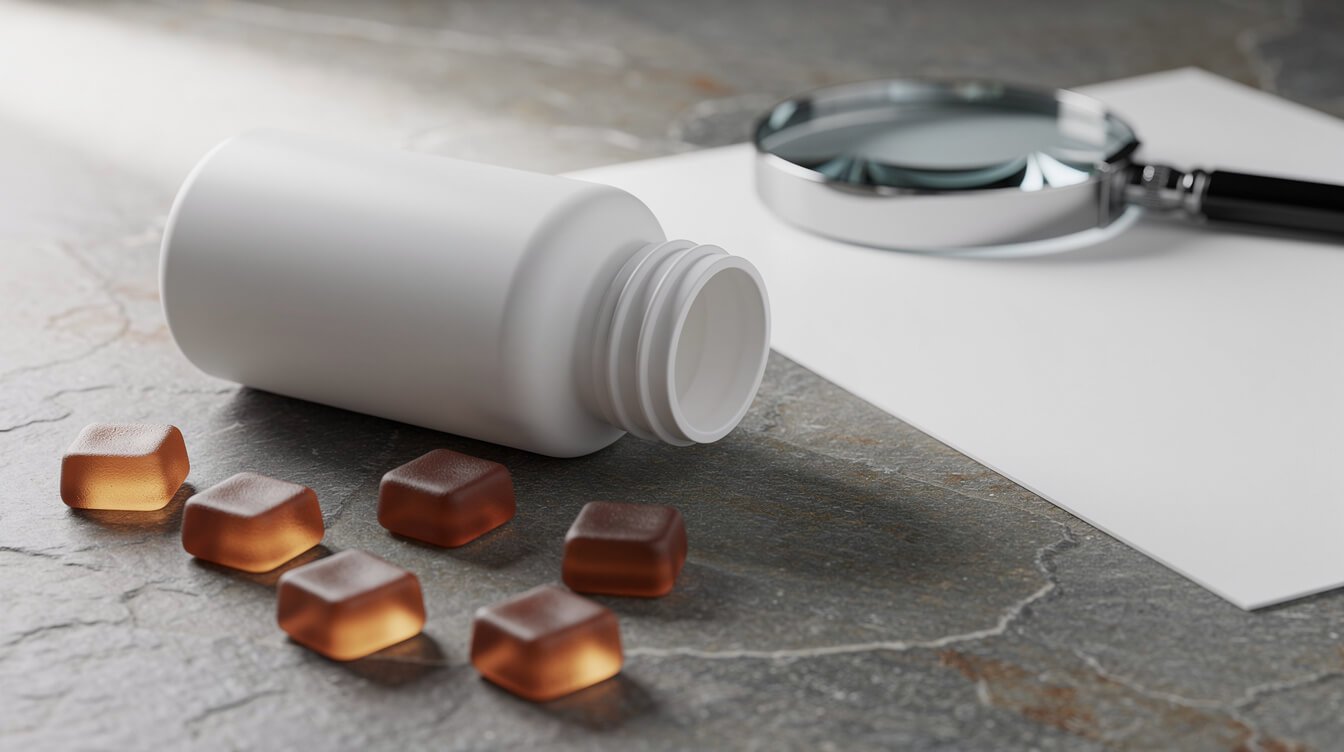
Ask a product page what is THCV and you’ll usually get a sales pitch. THCV gummies, vapes, and “focus” blends are a fast-growing shelf category, and the marketing outruns the data. A few checks keep you grounded:
- No THCV product is FDA-approved. The FDA has approved one cannabis-derived drug (Epidiolex, which is CBD) and three synthetic THC-related drugs. THCV isn’t one of them. Any product promising weight loss, blood-sugar control, or “appetite suppression” is making a claim no regulator has signed off on.
- Which THCV? Check whether it’s Δ9-THCV or Δ8-THCV. The 10 mg placebo-like results were Δ9. The only high-dose human data is Δ8.
- What else is in it? Many THCV products also contain THC. In the one gummy study you’ll see quoted, the THC-only gummy often matched or beat the THCV+THC gummy on energy and motivation. If a blend feels energizing, the THC, the dose, and your expectations are all on the suspect list.
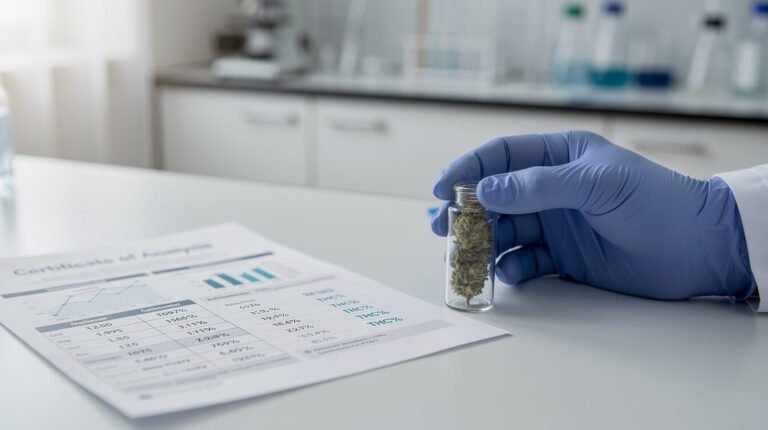
- Read the COA. A legit product links a third-party lab report showing THCV and THC per serving, plus contaminant screens. No COA, or a COA that doesn’t match the batch, is a pass.
- Match “studies show” to a study. When a label says research supports a benefit, look for which trial, in whom, and at what dose. Use the table above as your checklist. Usually the cited research is a mouse study, or it’s Jadoon quoted for a weight effect it didn’t find.
And the standard reminder: start low and go slow with any edible, especially one that also contains THC. Don’t drive after using THCV or THC products.
What is THCV? Quick answers to common questions
So, what is THCV, in one line?
A minor cannabinoid that’s THC with a three-carbon tail instead of a five-carbon one. It blocks CB1 in lab tissue and, at about 10 mg, felt like placebo in small human trials.
THCV vs THC: what’s the difference?
THC switches CB1 on, and that produces the high. THCV mostly blocks CB1 at low doses in animal and lab work, and it can act more THC-like at high doses in animals. In people, 10 mg of Δ9-THCV didn’t register, and only 100–200 mg of Δ8-THCV produced modest drug-like ratings. THC is also far more abundant in typical flower.
Does THCV show up on a drug test?
It can make you fail one. Standard urine screens are immunoassays tuned to THC’s main metabolite. In a 2026 analysis of pooled urine from the Δ8-THCV trial, 70 of 80 samples screened positive for THC even though confirmatory testing found no THC metabolite. THCV’s own metabolites cross-reacted (Sempio et al., 2026). The THCV+CBD strip study also saw positive home THC tests. If you’re subject to testing, treat THCV products like THC products. Our guide to how long weed stays in your system explains how these screens work.
Is THCV legal?
It depends where you live and on how the product was made. Cannabis laws vary by state and country, and federal rules on hemp-derived cannabinoid products are changing in 2026. Don’t assume a THCV product is legal where you are because it’s sold online. Check your local rules.
Is THCV the same as THCA?
No. THCA is the raw acid form of THC, which heat converts to THC. THCV’s raw form is THCVA, and heat converts that to THCV. (CBN is a different case again, a breakdown product of aged THC, covered in what is CBN.)
Is THCV safe?
The published trials reported it as generally well tolerated at the doses tested, which top out at 5 mg twice daily for 13 weeks for Δ9-THCV. That’s a short, small safety record, and it doesn’t cover high-dose or long-term use, pregnancy, or mixing with medications. If you have a health condition or take prescriptions, ask a doctor first.
Final thoughts
What is THCV, stripped of the marketing? A real and chemically interesting cannabinoid: THC’s short-tailed cousin that pushes against CB1 instead of switching it on, at least at low doses. That’s the solid part. The human evidence is six small studies, mostly paid for by cannabinoid companies. At 10 mg the common form felt like placebo. It may have softened some THC effects in 10 people. It lowered fasting glucose in one small diabetes arm without touching weight or appetite. The one weight-loss result came from a THCV+CBD combo made by the author’s company.
None of that makes THCV useless. It makes it early. If you’re curious, read the COA, know which THCV you’re getting and what else is in it, expect it to trip a THC drug screen, and treat “diet weed” as a slogan rather than a finding. Great plant, interesting molecule. Respect it, know your local laws, and enjoy responsibly.
Before you go
Get the next explainer first
We publish a new one every day. The best of the week, plus what's new in the shop, lands in one short email.