CBD vs THC Effects: The Honest, Side-by-Side Breakdown
CBD vs THC effects, the honest version: THC gets you high and CBD doesn’t, but that one-line answer skips almost everything worth knowing. They come from the same plant, they hit some of the same systems in your body, and they can feel completely different depending on dose, method, and what you’re expecting to feel in the first place.
This is the straight breakdown — what’s actually happening chemically, what each one feels like in practice, how the way you take it changes the effect, and where the honest caveats are. No clinical jargon wall, no gummy-shop sales pitch.
CBD vs THC effects: the quick answer
THC (tetrahydrocannabinol) is intoxicating. It’s the compound responsible for the “high” — altered perception, euphoria, sometimes anxiety or a racing mind at higher doses. CBD (cannabidiol) is not intoxicating. It doesn’t produce a head-change the way THC does; most people describe it as a subtle, calming, “took the edge off” feeling, if they notice anything distinct at all.
Both come from cannabis. Both interact with your body’s endocannabinoid system, but through different mechanisms, which is the real reason they feel so different — not just “one is strong and one is weak.”
- THC: psychoactive, dose-dependent intoxication, can show up on standard drug tests
- CBD: non-intoxicating, generally well tolerated, won’t get you high on its own
- Both: effects vary by dose, method, and individual body chemistry — there’s no universal experience
| THC | CBD | |
|---|---|---|
| Intoxicating? | Yes, dose-dependent | No |
| Main receptor target | CB1 (direct) | Serotonin/GABA pathways (indirect) |
| Typical felt effect | Euphoria, altered perception, relaxation or anxiety at high doses | Calm, grounded, subtle |
| Onset (smoked/vaped) | Minutes | Minutes |
| Onset (edible) | 30 min–2 hrs | 30 min–2 hrs |
| Tolerance builds? | Yes, fairly quickly | Not typically |
| Standard drug test | Detectable | Not directly, but trace THC in the product might be |
Why they feel different: the mechanism, explained simply
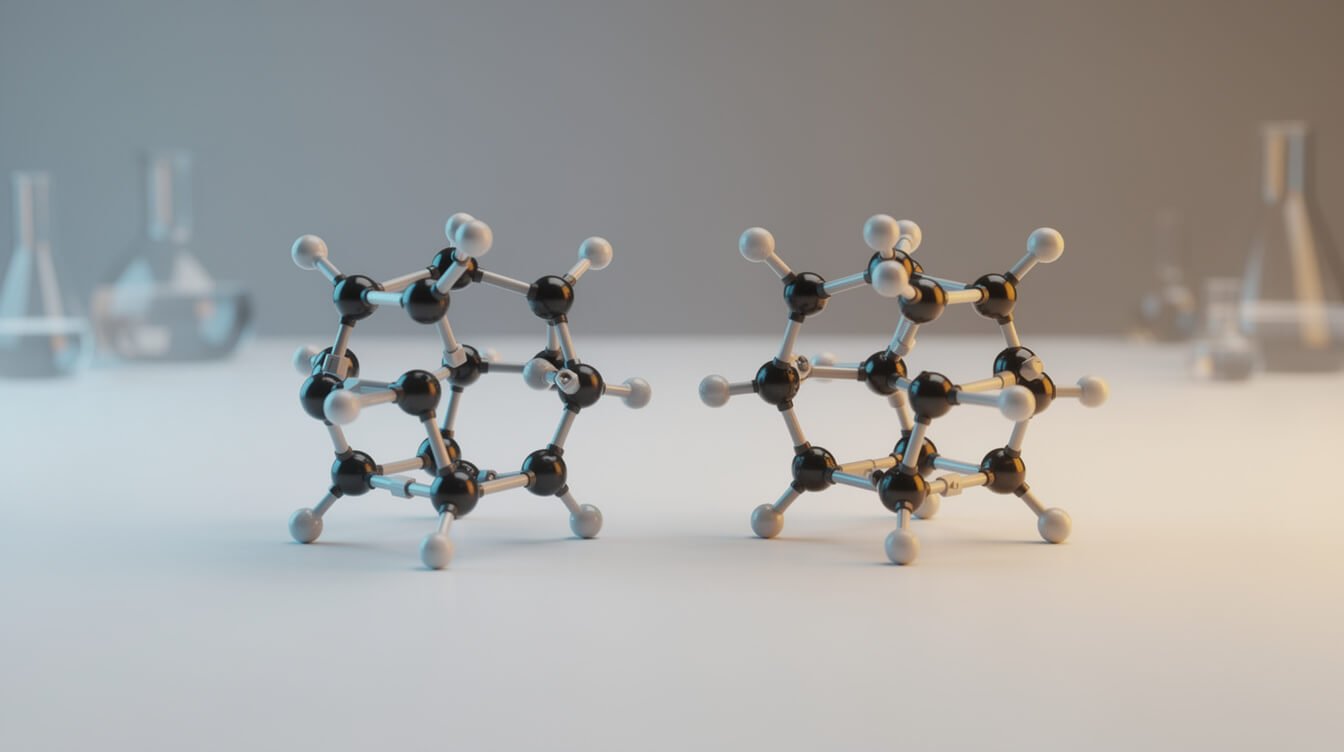
THC and CBD have nearly identical chemical structures — same atoms, arranged slightly differently. That small difference in shape is the whole story.
THC fits snugly into CB1 receptors, concentrated heavily in the brain and central nervous system. When THC binds there, it directly triggers the cascade of effects we call “high” — altered time perception, euphoria, appetite changes, sometimes anxiety if the dose overshoots what your tolerance can handle.
CBD barely binds to CB1 or CB2 receptors at all. Instead, it works more indirectly — influencing serotonin receptors, interacting with GABA (a calming neurotransmitter system), and even nudging your body’s own endocannabinoids to stick around longer instead of breaking down. It’s a quieter, more diffuse mechanism, which tracks with the quieter, more diffuse way it tends to feel.
Same plant, same family of receptors, two very different keys. THC turns the lock directly. CBD mostly just jiggles it.
There’s also the entourage effect to know about — the theory that cannabinoids and terpenes work better together than any one compound in isolation. It’s a genuinely active area of research, not settled science, so treat any product claiming a guaranteed “entourage boost” with mild skepticism. If you want the deeper dive on how terpenes factor into this, we’ve got a full breakdown of terpenes and their reported effects.
Isolate vs. broad-spectrum vs. full-spectrum: why the label matters
This is where a lot of the “I tried CBD and felt nothing” confusion comes from. Isolate products contain pure, single-compound CBD — nothing else from the plant. Broad-spectrum products contain CBD plus other cannabinoids and terpenes, with THC specifically removed. Full-spectrum products keep the whole cannabinoid and terpene profile, including trace legal-limit THC.
Because of the entourage effect, many people report that full-spectrum CBD feels more noticeable than isolate — the trace THC and terpenes may be doing real work alongside the CBD itself. If a CBD product genuinely did nothing for you, checking whether it was isolate is worth doing before writing off CBD entirely.
What CBD and THC actually feel like
Mechanism is interesting, but you’re here for the felt experience. Here’s how people consistently describe each one:
CBD, typically: calm, grounded, a slight loosening of physical or mental tension. Many people say they don’t “feel” anything dramatic — they just notice they’re less tense twenty minutes later. No fog, no impairment, no high.
THC, typically: euphoria, altered sense of time, increased sensory awareness (music sounds better, food tastes better), sometimes giggliness, sometimes a heavy body-relaxation (“couch-lock”), sometimes racing thoughts or anxiety if the dose is too high for your tolerance. It’s genuinely dose- and person-dependent — the same amount that mellows one person out can make another person anxious.
That THC dose curve is worth sitting with: low-to-moderate doses tend to relax and elevate mood, but past a certain point — different for everyone — the same compound can flip into paranoia or a racing, uncomfortable headspace. This is sometimes called a biphasic response. It’s one of the best arguments for starting low and going slow, especially with a product or strain you haven’t tried before.
Cannabis strains labeled indica, sativa, or hybrid claim to predict which of these you’ll get, but that label is mostly marketing — terpene profile and your own body chemistry matter more than the indica/sativa split. We go deep on that distinction in our indica vs hybrid breakdown and our piece on what actually makes cannabis feel “stronger”.
One more wrinkle worth knowing: raw cannabis flower straight off the plant contains mostly THCA, a non-intoxicating acidic precursor, not active THC. THCA only converts into the THC that actually gets you high when it’s heated — through smoking, vaping, or a deliberate decarboxylation step for cooking. That’s also why raw cannabis juice or unheated flower won’t produce a high on its own, even though the plant technically “contains THC” in its raw chemical precursor form.
Dose size matters as much as the compound itself. A lot of people, especially with THC, assume more is always more — but microdosing (small, sub-intoxicating or barely-noticeable amounts, often 1-2.5mg THC) is a legitimate approach for people who want some benefit without a strong high. It’s a good starting point if you’re new, sensitive to THC, or just want functional rather than recreational-strength effects.
How you take it changes the effect
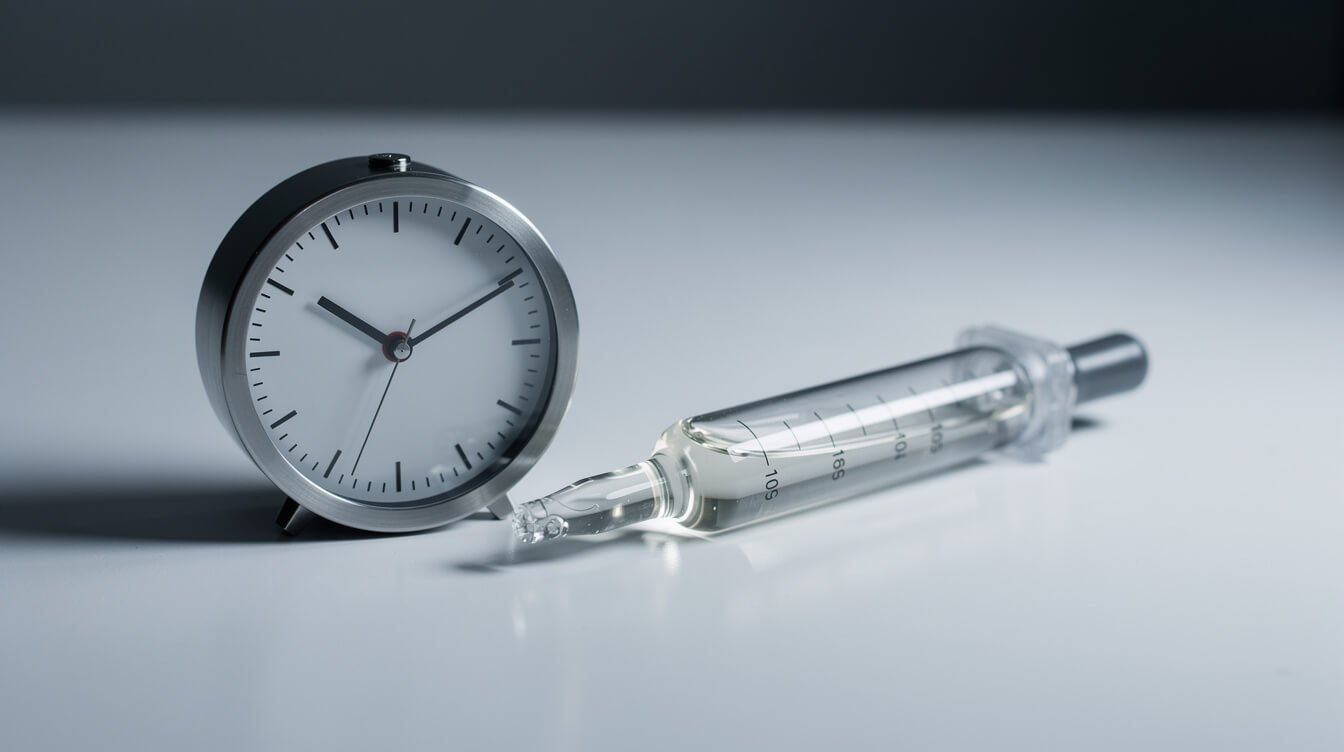
Same compound, very different timeline and intensity depending on how it enters your body — and this applies to both CBD and THC.
Smoking or vaping
Fastest onset for either compound — effects within minutes, peaking around 15-30 minutes in, fading over 1-3 hours. Easiest to titrate (find your dose) because you feel it quickly and can stop. Vaping and smoking deliver a similar cannabinoid onset curve, though vaping at lower temperatures preserves more terpenes and produces less combustion byproduct — a distinction some people notice in how “clean” the effect feels, separate from the cannabinoid dose itself.
Edibles
Slowest, least predictable onset — 30 minutes to 2+ hours, because the compound has to pass through your digestive system and liver first. THC actually converts to a more potent metabolite (11-hydroxy-THC) during digestion, which is a big part of why edibles can hit so much harder and last so much longer (4-8 hours) than smoking the same nominal dose. This is the single most common way people accidentally overdo THC — taking a second dose because the first “didn’t seem to do anything” within 45 minutes, then getting hit by both doses at once. Start low, wait at least two hours, and go slow.
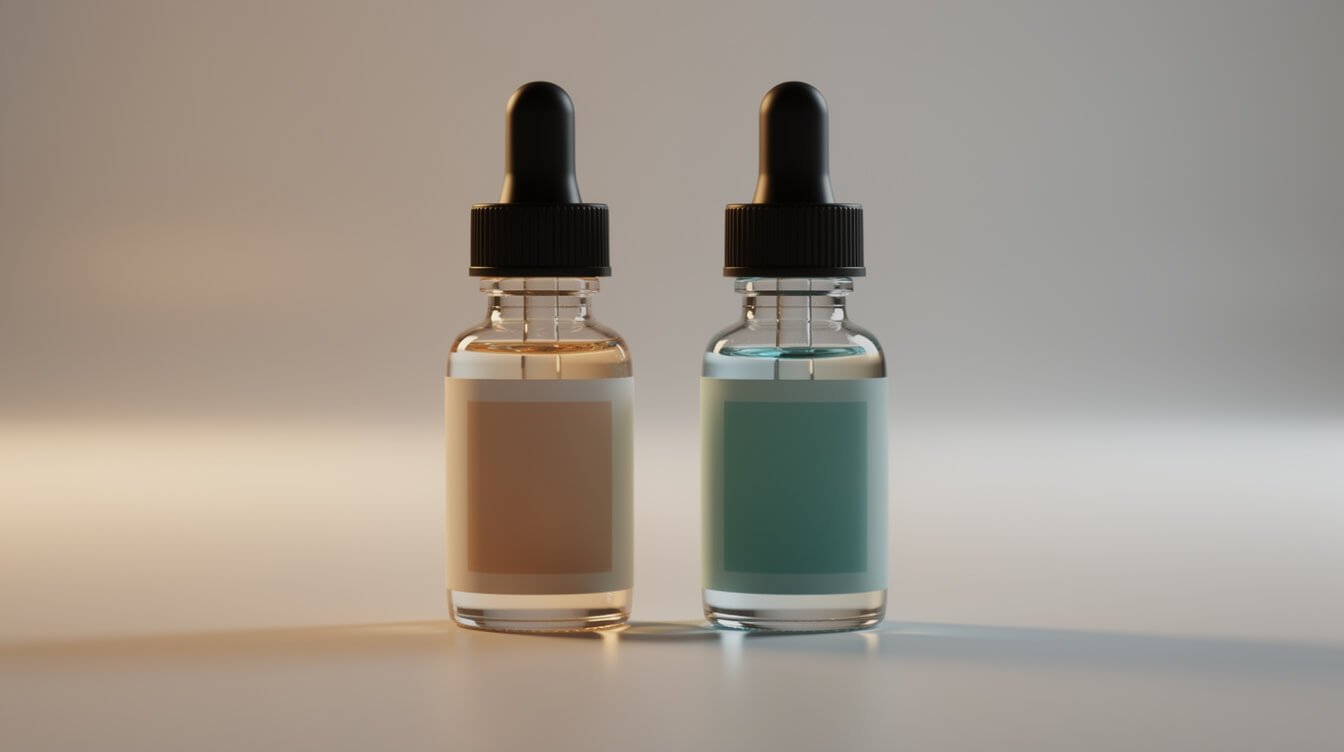
Tinctures and sublingual drops
A middle ground — held under the tongue, absorbed partly through the mouth’s blood vessels, partly swallowed. Onset around 15-45 minutes, more predictable than edibles, less immediate than smoking.
Topicals
Applied to skin, largely stay localized — most topical CBD and THC products don’t produce intoxication or a systemic “feeling” at all, since they’re not designed to reach the bloodstream in meaningful amounts.
If gummies are specifically your format of choice, we’ve written a full CBD vs THC gummies comparison covering dosing math and label-reading for edibles specifically.
GanjaTech, weekly
Cannabis, explained. In your inbox.
One email a week: the clearest explainers, honest gear picks, and what the science actually says. 21+ only. No spam, unsubscribe anytime.
Side effects: what’s actually different

Neither compound is associated with fatal overdose. Both are generally well tolerated. But their side-effect profiles diverge in predictable ways.
CBD side effects are mostly dose-related and mild: drowsiness, dry mouth, mild digestive upset, decreased appetite. The bigger practical risk with CBD is drug interactions — it can affect how your liver processes certain medications, so if you’re on prescription drugs, it’s worth a quick conversation with a doctor or pharmacist before adding CBD regularly.
THC side effects are more variable and more dose-sensitive: impaired coordination and reaction time, short-term memory and concentration effects, increased heart rate, anxiety or paranoia at higher doses, dry mouth and eyes, and — this one matters — meaningfully impaired driving ability for several hours after use. Long-term, heavy THC use has been associated with negative outcomes for some people, particularly around mental health and particularly starting young; research is still developing here, and it’s genuinely not settled science on causation vs. correlation.
There’s also a real difference in how tolerance builds. Regular THC use tends to build tolerance fairly quickly — the same dose that used to feel strong gradually feels like less, which is exactly how people end up creeping toward higher and higher amounts without meaning to. A short tolerance break (days to a couple of weeks off) is the standard reset. CBD doesn’t really work this way — most people don’t report needing steadily higher doses over time, since it isn’t binding the same receptors THC is flooding.
None of this is medical advice, and reported effects aren’t guarantees — everyone’s body chemistry is different. If you have an existing health condition, take medication regularly, or are pregnant or breastfeeding, talk to a doctor before using either compound with any regularity.
Reported effects for common goals
People reach for CBD or THC for a lot of different reasons. Here’s what’s reported — anecdotally and in early research, not guaranteed, and not a substitute for medical care:
Sleep: THC, especially in the evening, is often reported to shorten the time it takes to fall asleep, though it can reduce deep-sleep quality with regular heavy use. CBD is more often reported to support a calmer wind-down without next-day grogginess, though the evidence base here is thinner than people assume.
Stress and everyday tension: CBD is the more commonly reported choice for daytime use, since it doesn’t impair focus or coordination. THC can relax some people and make others more anxious — dose and mindset both matter a lot here.
Focus and clarity: Neither compound reliably improves focus, and THC at typical recreational doses tends to work against it. If mental clarity is the goal, lower doses (or CBD alone) tend to be the safer starting point.
Again — these are reported, anecdotal, and early-research patterns, not medical claims. Cannabis is not a treatment for any diagnosed condition, and if you’re managing a real health issue, the right first call is your doctor, not a blog post.
Worth being honest about the evidence itself, too: a lot of what circulates online as settled fact is actually built on small human trials, animal studies, or years of anecdote rather than large, replicated clinical research. That doesn’t make the reports worthless — plenty of what people describe lines up with what we understand about the mechanism — but it does mean “some people report” is the accurate framing, not “science proves.”
Frequently asked questions

Can you combine CBD and THC?
Yes, and it’s common — some people find CBD takes the edge off THC’s more anxious or racing-mind side effects, though the research on this is mixed rather than conclusive. Products combining both, often listed as a ratio (like 1:1 or 2:1 CBD:THC), are widely available where legal.
Does CBD show up on a drug test?
Pure, isolate-based CBD generally shouldn’t. But many CBD products (especially “full-spectrum”) legally contain trace THC, which can accumulate with regular use and potentially trigger a positive test. If you’re subject to drug testing, that trace-THC detail matters more than people expect.
Why do THC edibles hit so much harder than smoking?
Because your liver converts THC into a more potent metabolite during digestion, and the slower onset means people often stack doses before the first one has kicked in. Covered in more detail above.
Is one “stronger” than the other?
Wrong question — THC is intoxicating and CBD isn’t, so “strength” isn’t a fair comparison between them. What matters is which effect profile matches what you’re actually looking for.
Are CBD and THC legal where I live?
It depends entirely on your state or country, and the rules for CBD, hemp-derived THC, and marijuana-derived THC often differ from each other even within the same place. Always check your local and state laws before purchasing or using either — never assume legality just because a product is sold online or in a neighboring state.
Do you build a tolerance to CBD the way you do with THC?
Not in the same way. THC tolerance builds noticeably with regular use since it’s directly saturating CB1 receptors. CBD’s more indirect mechanism means most people don’t report needing to steadily increase their dose over time.
Can CBD get you high if you take enough of it?
No — CBD doesn’t bind CB1 receptors the way THC does, so there’s no dose of pure CBD that produces intoxication. If a “CBD” product does get you high, it likely contains meaningful THC that isn’t accurately labeled.
Final thoughts on CBD vs THC effects
The honest answer really is the short one: THC is intoxicating, dose-sensitive, and can hit differently depending on how you take it. CBD is calming, non-intoxicating, and much more forgiving. Everything else — side effects, onset time, how they combine, what they’re reported to help with — flows from that one core difference.
Start low, go slow, know your method’s timeline before you take a second dose, and check your local laws before you buy anything. Respect the plant, and it tends to respect you back.
Want more straight explainers like this one? Browse the rest of our cannabis science and culture guides, or check out the GanjaTech merch shop if you want to wear the fandom instead of just reading about it.
Before you go
Get the next explainer first
We publish a new one every day. The best of the week, plus what's new in the shop, lands in one short email.