What Is Stronger, Sativa or Indica? The Real Answer
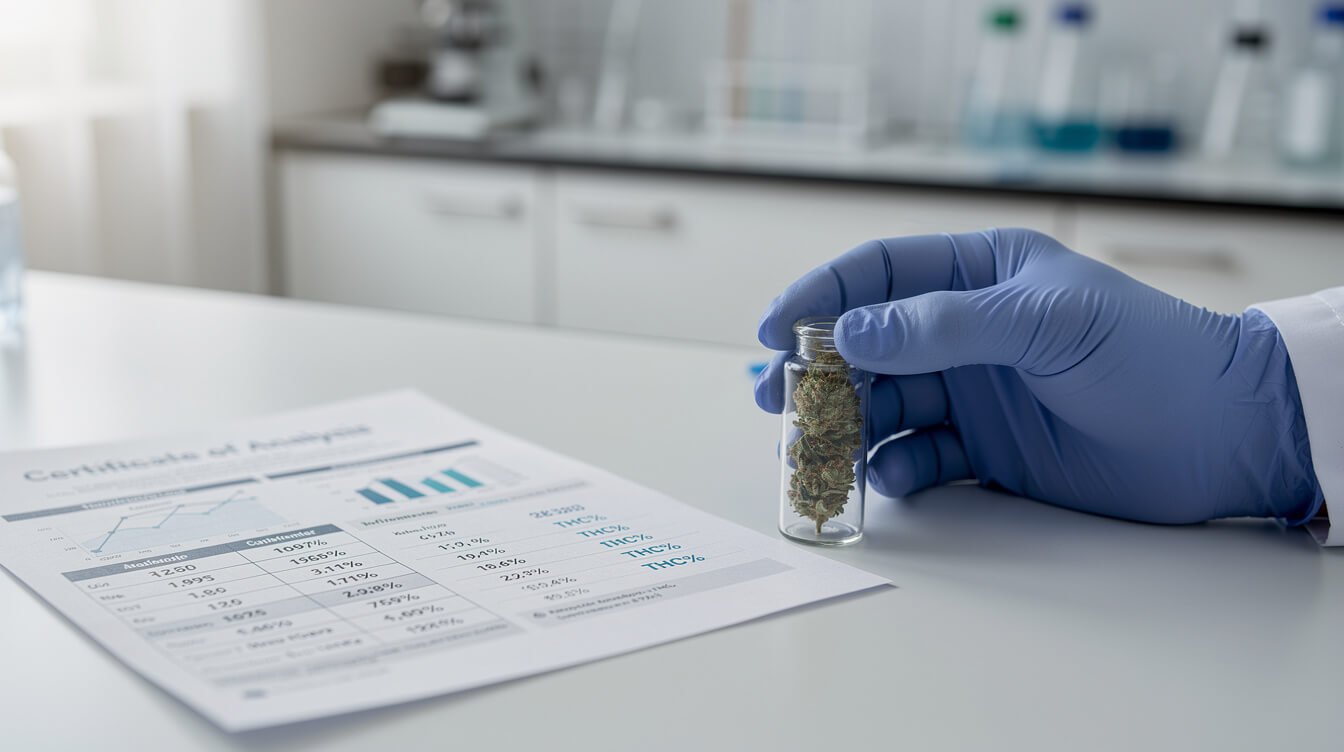
So — what is stronger, sativa or indica? Short version: neither. Sativa and indica are not a strength scale, and no cultivar is stronger than another just because of which side of that label it falls on. What actually determines strength is the THC percentage on the lab test — the Certificate of Analysis, or COA — sitting right next to the strain name. A sativa-labeled flower testing 14% THC will hit you a lot softer than an indica-labeled flower testing 28%. The type tells you almost nothing about potency. The lab number tells you almost everything.
That’s the honest answer. The rest of this guide is the nuance most sites skip: where the myth came from, what actually drives strength, how to read a label so you’re not guessing, and what different potency levels actually feel like — reported experience, not medical claims.
Quick answer: what is stronger, sativa or indica?
No. “Sativa” and “indica” describe a plant’s historical shape and growing habit, not its cannabinoid content. You can find a sativa-leaning flower at 12% THC and another at 30% THC. Same is true for indica. The label is a rough guess at the kind of high — energizing versus relaxed — and even that guess is shakier than most dispensary menus let on. It is not a potency rating.
If you want to know how strong something actually is, ignore the type entirely and look at two numbers: total THC percentage and, if you want the fuller picture, the balance of THC to other cannabinoids like CBD. That’s it. That’s the whole trick everyone else buries under a paragraph of “sativas are uplifting, indicas are relaxing.”
Why this myth exists — a quick history of the classification
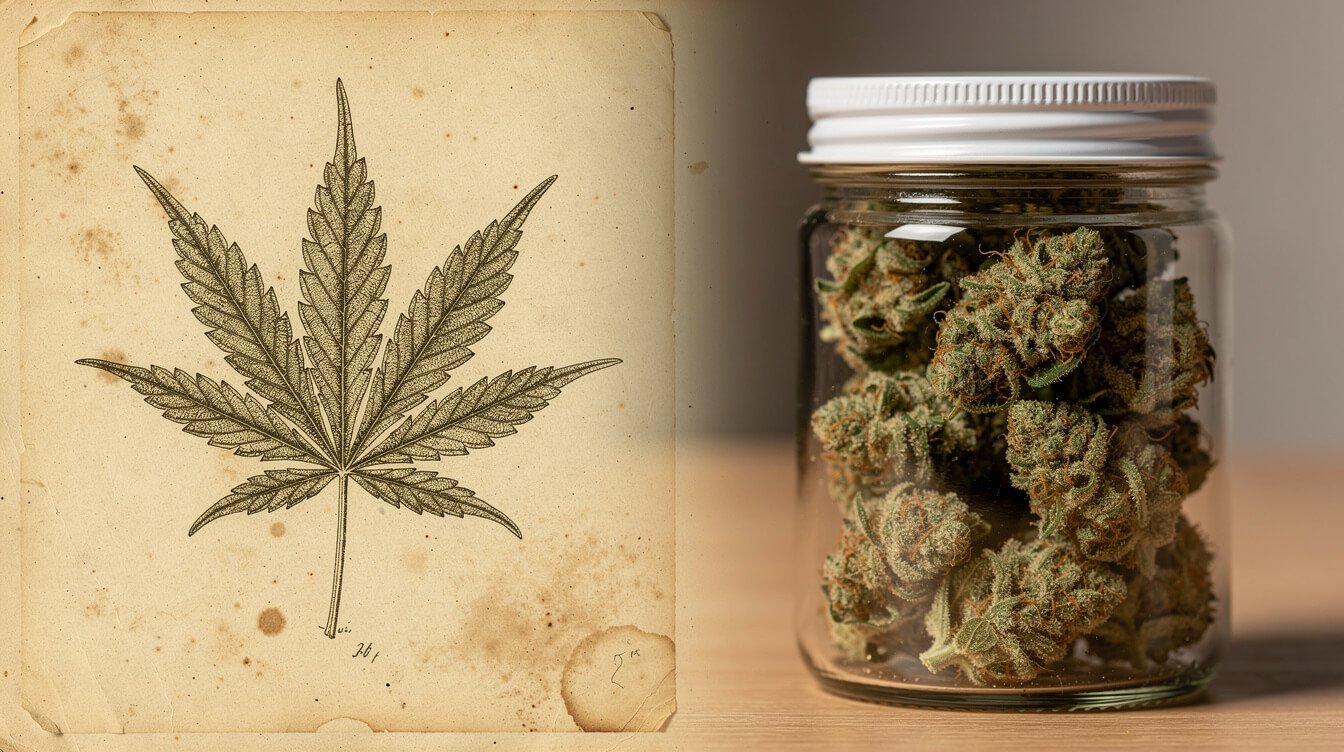
The indica/sativa split isn’t cannabis folklore invented by a dispensary marketing team — it’s older than the modern cannabis industry by centuries, and it was never about strength to begin with.
In 1753, Swedish botanist Carl Linnaeus classified the tall, fibrous hemp plants grown across Europe as Cannabis sativa. Decades later, French naturalist Jean-Baptiste Lamarck examined shorter, bushier, resin-heavy plants brought back from India and classified them separately as Cannabis indica. Both botanists were describing plant morphology — height, leaf width, branching structure, climate of origin — not psychoactive effect. Nobody was testing potency. There was no lab, no COA, no percentage on a label. There wasn’t even a reliable way to isolate THC yet; that came almost two centuries later.
The “sativa = energizing, indica = relaxing” story got layered on top much later, largely through word of mouth in cannabis-growing and consuming communities, then calcified by dispensary menus that needed a simple two-word system customers could shop by. It stuck because it’s easy, not because it’s accurate. Modern cannabis genetics make it even shakier: decades of crossbreeding mean the vast majority of what’s sold today is a hybrid of both lineages, and a plant’s genetic ancestry has a weak, inconsistent relationship with the chemical profile that actually produces its effects.
This isn’t just a GanjaTech opinion — it’s the mainstream scientific read at this point. A widely-cited 2016 debate in the journal Cannabis and Cannabinoid Research (Piomelli & Russo) laid out the case plainly: chemical analysis of cannabis samples repeatedly fails to find a consistent, reliable link between a plant’s indica/sativa classification and its cannabinoid or terpene chemistry. In plain terms — genetics that botanists once sorted into “indica” and “sativa” buckets don’t reliably sort into distinct chemical profiles anymore. The label describes ancestry and appearance far more reliably than it describes what’s actually in the jar.
What actually determines potency
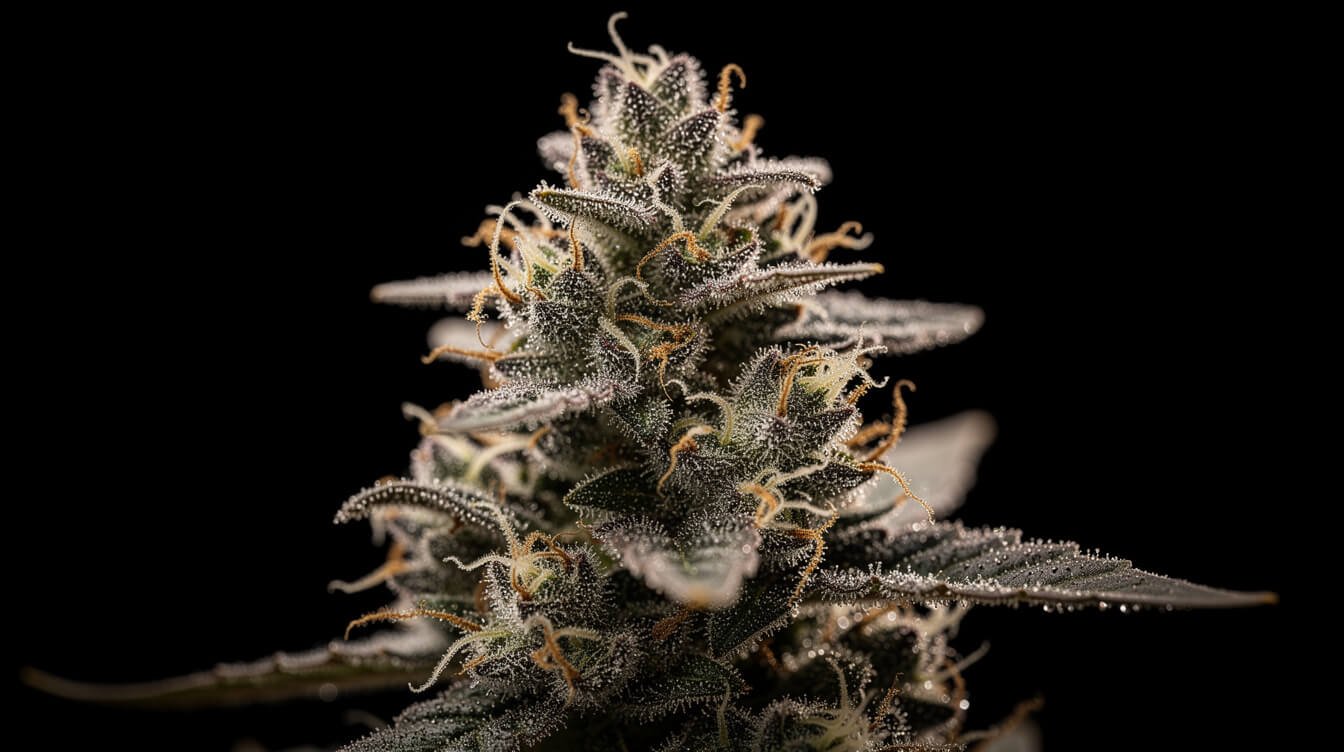
Three things drive how strong a given batch of cannabis actually is, and none of them are “which side of the sativa/indica line it’s on”:
- Total THC percentage. This is the number that matters most for raw strength. It’s measured directly by a testing lab and printed on the COA and, in legal markets, usually on the package label itself.
- Cannabinoid ratio (chemotype). A flower that’s mostly THC with almost no CBD tends to feel more intense than one with a closer THC-to-CBD balance, even at a similar total THC number — CBD appears to soften some of THC’s sharper edges for a lot of people, based on reported experience.
- Terpene profile. Terpenes don’t add psychoactivity on their own, but they shape how a high feels — some people report certain terpene-heavy cultivars feeling more intense or more sedating at the same THC level. If you want the full rundown, we’ve mapped this out in our guide to terpenes and their reported effects.
You’ll sometimes see this combination of factors called the “entourage effect” — the idea that THC, CBD, and terpenes interact to shape the overall experience rather than THC acting alone. It’s worth being honest about where the science actually stands: it’s a genuinely active area of cannabis research, with some supportive studies and some that find weaker effects than the popular version of the idea suggests. Treat it as a reasonable working theory that explains why two flowers with identical THC numbers can still feel different, not as a settled, guaranteed formula.
Notice what’s missing from that list: the words “sativa,” “indica,” or “hybrid.” Genetics influence which terpenes and cannabinoids a plant is capable of producing, but two cultivars with the exact same type label can land anywhere on the potency spectrum depending on how they were bred, grown, and cured. This is the same reason our indica vs. hybrid breakdown leans on chemistry over the label — the pattern holds across every version of this question.
How to actually read a COA or label for potency
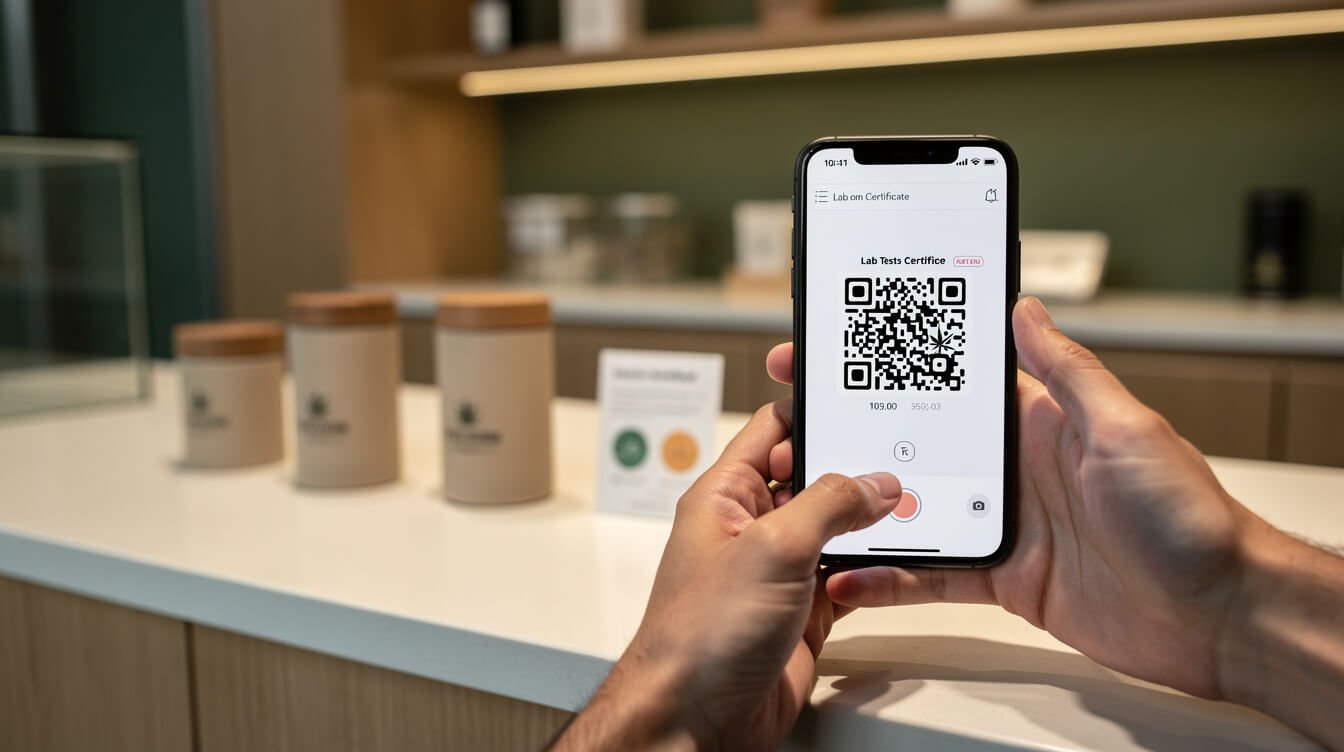
Once you know what to look for, checking real potency takes about ten seconds:
- Find the total THC number. Legal packaging usually lists this as “Total THC” or “THC” as a percentage. If you’re shopping in person, ask the budtender for the COA — reputable dispensaries have it on hand or scannable via QR code.
- Check whether it’s “Total THC” or “Delta-9 THC” alone. Total THC accounts for the conversion that happens when THCA (the raw, non-intoxicating acid form) is heated. Total THC is the more honest number for predicting an actual high.
- Glance at the CBD line. A near-zero CBD number next to a high THC number is generally going to feel more intense than the same THC number with meaningful CBD alongside it.
- Check the test date and lab name. A COA from an accredited, independent lab with a recent test date is more trustworthy than an old or unlabeled number — potency can drift between harvests even under the same strain name.
None of this requires knowing anything about the plant’s ancestry. A 22% THC hybrid and a 22% THC “pure” indica will land in a similar strength range — the number is doing the work the type label gets credit for. A quick side-by-side makes the point: imagine “Cultivar A,” an indica-labeled flower testing 15% THC with 4% CBD, next to “Cultivar B,” a sativa-labeled flower testing 27% THC with under 1% CBD. Going purely by type, most menus would suggest Cultivar A is the mellower choice by default. Going by the actual COA, Cultivar B is the far more intense product — nearly double the THC and almost no CBD to soften it. The type label predicted nothing useful here; the two numbers predicted everything.
GanjaTech, weekly
Cannabis, explained. In your inbox.
One email a week: the clearest explainers, honest gear picks, and what the science actually says. 21+ only. No spam, unsubscribe anytime.
Potency isn’t measured the same way for flower, concentrates, and edibles
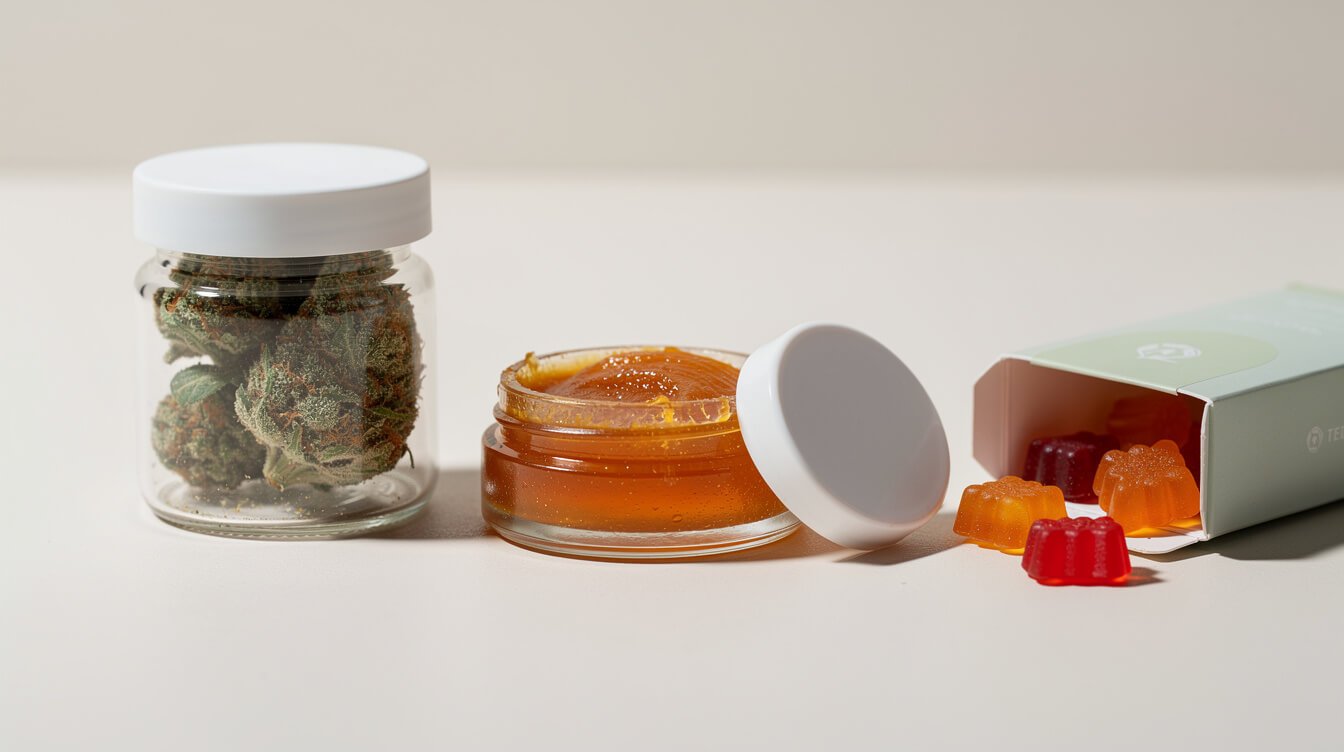
The THC-percentage conversation above applies most directly to flower. Once you move to other product formats, the number on the label means something a little different, and mixing them up is its own common source of confusion:
- Flower: Labeled as a percentage of total weight. A 20% THC flower means roughly 200mg of THC per gram, though not all of it converts or gets absorbed when smoked or vaporized.
- Concentrates (wax, shatter, live resin, rosin): Labeled the same way — as a percentage — but concentrates routinely test in the 60–90% range, meaning a much smaller amount delivers a much larger dose. Comparing a concentrate’s percentage directly to a flower’s percentage understates just how much stronger the concentrate actually is per gram.
- Edibles: Labeled in milligrams per serving and per package, not as a percentage at all. A “10mg” gummy and a “100mg” chocolate bar aren’t described with the same kind of number flower and concentrates use — always check milligrams per serving specifically, since packages frequently contain multiple servings.
Whatever the format, the same underlying rule holds: the label’s number, not the sativa/indica/hybrid type printed next to it, is what actually tells you what you’re getting into.
What different potency levels actually feel like
This is reported, first-person experience shared by consumers — not a medical claim, and not a promise of how any specific person will react. Everyone’s tolerance, body chemistry, and consumption method changes the outcome.
- Low potency (roughly under 15% THC): Many people report a milder, more manageable experience — easier to gauge, less likely to tip into overwhelming, often described as a good starting point for beginners or a low-key evening.
- Moderate potency (roughly 15–22% THC): The range most regular consumers land in. Reported effects vary widely by chemotype and terpene profile, but this is where most commercial flower sits today.
- High potency (roughly 22%+ THC, or concentrates far above that): More likely to produce a stronger, faster-onset experience. People with lower tolerance — or anyone who hasn’t used cannabis in a while — commonly report this tips into uncomfortable territory faster than expected.
A few responsible-use basics apply regardless of type or number: start low and go slow, especially with anything you haven’t tried before; never drive or operate machinery while impaired; and know that “high THC%” doesn’t automatically mean “better” — plenty of experienced consumers prefer a moderate-potency, terpene-rich flower over the highest number on the shelf. If you’re weighing THC against CBD more broadly, our CBD vs. THC gummies breakdown covers that comparison in more depth.
Common mistakes people make judging “strength”
A handful of shortcuts get repeated as fact in dispensary lines and online forums. None of them hold up:
- “Darker or denser buds are stronger.” Color and density are about genetics and curing, not cannabinoid content. A light, fluffy sativa-leaning flower can test higher than a dark, dense one.
- “Stronger smell means stronger high.” Smell intensity comes from terpene concentration, which shapes the character of the high, not necessarily its raw strength.
- “Sativa is always the energetic, lighter one.” Plenty of sativa-labeled cultivars test at 25%+ THC and hit hard. The type label was never a strength guarantee.
- “Trichome coverage tells you everything.” Visible frostiness is a decent rough signal of cannabinoid-rich resin, but it’s not a substitute for an actual lab number — it can’t tell you the ratio of THC to CBD, for instance.
- “Indoor is automatically stronger than outdoor.” Growing environment affects yield, appearance, and consistency more reliably than it affects peak potency. Outdoor-grown cultivars regularly test just as high as indoor ones.
- “The strain database percentage (like ‘70% indica’) is precise genetics.” Those indica/sativa percentage splits you see on strain databases are largely crowdsourced estimates of lineage, not lab-verified measurements, and different databases frequently disagree on the same strain. Treat them as rough folklore, not data — the COA on your specific batch is the only number worth trusting.
FAQ: sativa, indica, and potency
Is sativa or indica better for beginners?
Type isn’t the deciding factor — potency is. A low-THC flower of either type is a more manageable starting point than a high-THC flower of either type. If you’re picking a first cultivar to grow rather than buy, our beginner strains guide walks through easier options by growing difficulty, not by strength.
Does hybrid mean it’s automatically medium-strength?
No. “Hybrid” just means the cultivar has both indica and sativa ancestry — it says nothing about THC percentage. A hybrid can test anywhere from mild to extremely high.
Why do dispensaries still sort everything by sativa, indica, and hybrid if it doesn’t predict strength?
Mostly habit and simplicity — it’s an easy three-bucket system for browsing a menu, and it does correlate loosely with reported effect character (energizing versus relaxing) even though it’s a poor predictor of raw strength. Some dispensaries are shifting toward chemotype or terpene-based labeling instead, which is a more useful system if your shop offers it.
Can two batches of the same strain have different potency?
Yes, regularly. Growing conditions, harvest timing, and curing all affect the final THC percentage, which is why checking the COA on the specific batch in front of you matters more than trusting a strain name you’ve bought before.
Is a higher THC percentage always a better choice?
Not necessarily. Higher potency means a stronger, often faster-onset experience — not automatically a more enjoyable one. Many experienced consumers deliberately choose moderate-potency flower for a more manageable, longer, or more nuanced experience.
Are concentrates always “indica” or “sativa” too, and does that mean anything there?
Concentrates are often labeled with a type inherited from the flower they were extracted from, but the same rule applies: the extraction process concentrates cannabinoids regardless of type, so a sativa-labeled concentrate can easily be more intense than an indica-labeled one. Check the percentage, not the label.
The bottom line: what is stronger, sativa or indica?
Sativa versus indica is a centuries-old botanical classification that never had anything to do with strength, and modern hybrid breeding has made the type label even less useful as a potency predictor than it was a generation ago. If you actually want to know how strong something is, skip the label and read the COA — total THC percentage, cannabinoid ratio, and, for the fuller picture of how it’ll feel, the terpene profile. That’s the honest answer, and it’s the one most menus and search results skip in favor of the easier two-word story.
Want the rest of the honest, no-hype explainers? Browse more of our science and strains guides, or check out the culture merch shop if you’re into that side of things too. Laws around cannabis purchase, possession, and use vary by state and country — always know what applies where you live.
Before you go
Get the next explainer first
We publish a new one every day. The best of the week, plus what's new in the shop, lands in one short email.