What Is Kief? Trichome Dust, Explained Straight
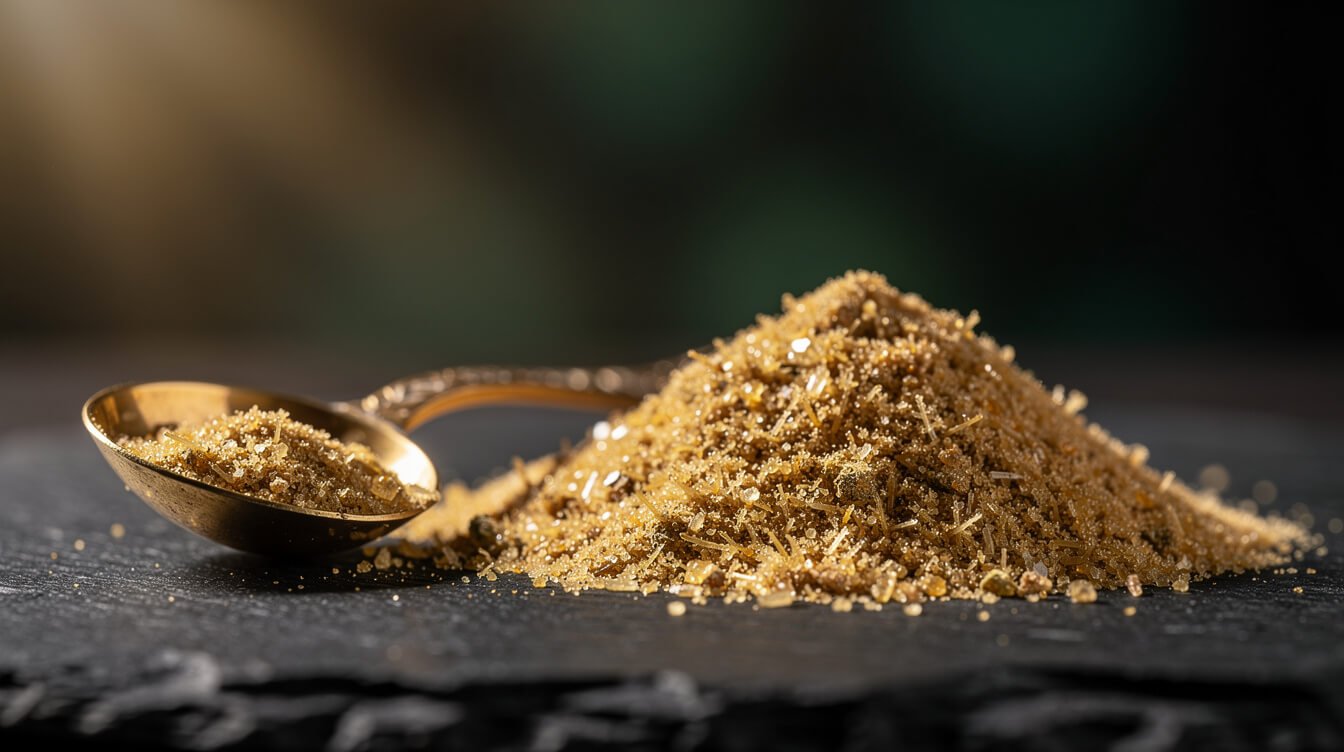
What is kief? Kief is the loose, sandy powder made of resin glands — trichomes — that break off cannabis flowers when they’re ground, sifted, or handled. It’s the golden dust that collects in the bottom chamber of a three-piece grinder, and it’s where most of the plant’s THC, CBD, and terpenes actually live. That makes it stronger than the flower it came from, often by a wide margin.
That’s the real answer. The nuance most sites skip: kief is not a product with a fixed strength, “pollen” is the wrong word for it, and the THC number you’ve seen quoted depends on who’s selling it. Below you’ll get what kief is made of, why every source gives a different potency figure, how people collect and use it, how to store it, and the legal fine print that treats kief differently from flower in a lot of places. Adults 21+ only, and laws vary by state and country — never assume it’s legal where you are.
What is kief? The short answer
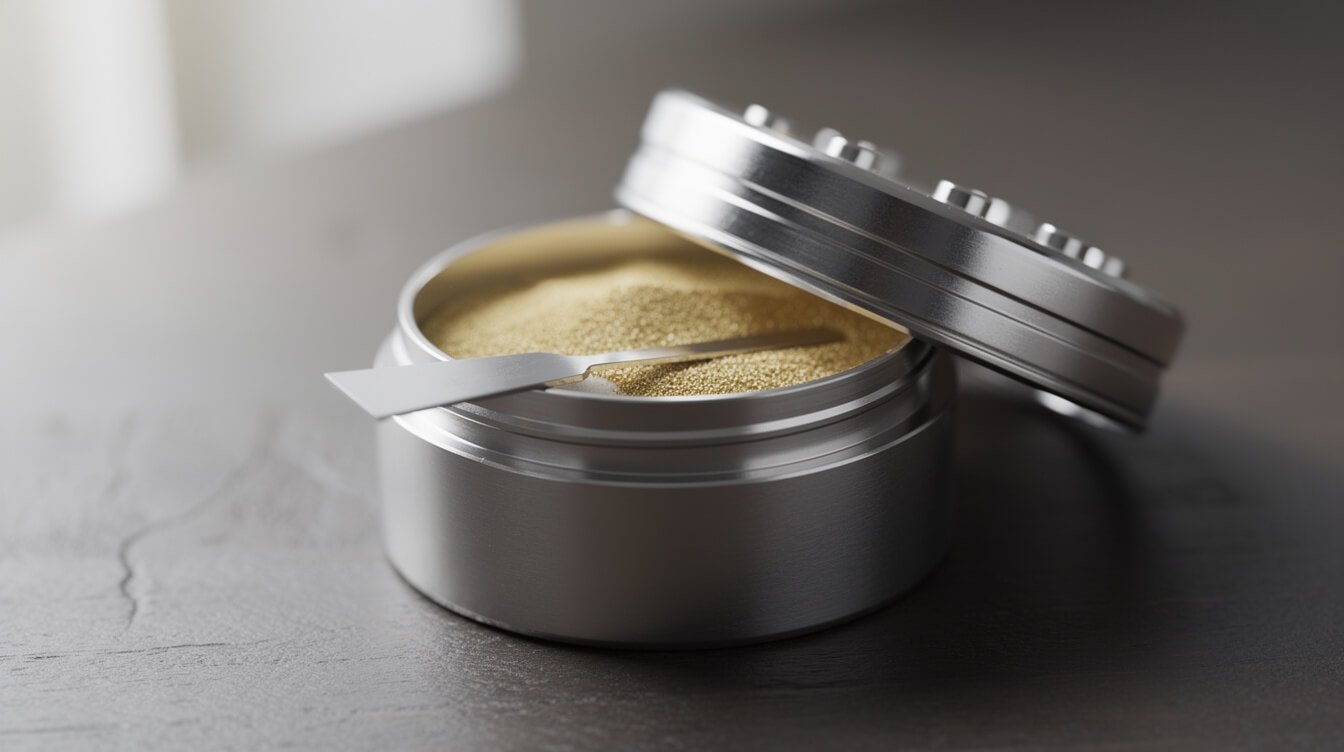
Kief is concentrated cannabis resin in its simplest form: the trichome heads, detached from the plant and collected as a powder. Nothing is added and nothing is extracted with a solvent. It’s separated mechanically — by a screen, a shake, or the teeth of a grinder — which is why it’s often described as the oldest solventless concentrate there is.
If you want the one-line version of what is kief: it’s the potent part of the bud, minus the bud.
Where the word comes from
The name is Arabic. Kīf (also written kayf) means pleasure, joy, or well-being, and it’s the root of the English spellings kief, keef, and kif. In Morocco the word has a second, older meaning that trips people up: there, kif often refers to a smoking mix of finely chopped cannabis and local tobacco, traditionally smoked in a long, thin pipe called a sebsi. That’s a different thing from the trichome powder in your grinder. When an American or European cannabis site says “kief,” it means the powder.
The other names you’ll hear
Kief goes by a lot of aliases: dry sift, sift, keef, dust, crystals, and — misleadingly — pollen. Dry sift is the most precise of these, since it describes the method (dry trichomes, sifted through a screen). It’s also the term you’ll see when people are talking about carefully screened, higher-grade material rather than whatever fell into a grinder over a month. We’ll come back to why “pollen” is wrong, because it matters if you grow.
Where kief comes from: trichomes, up close
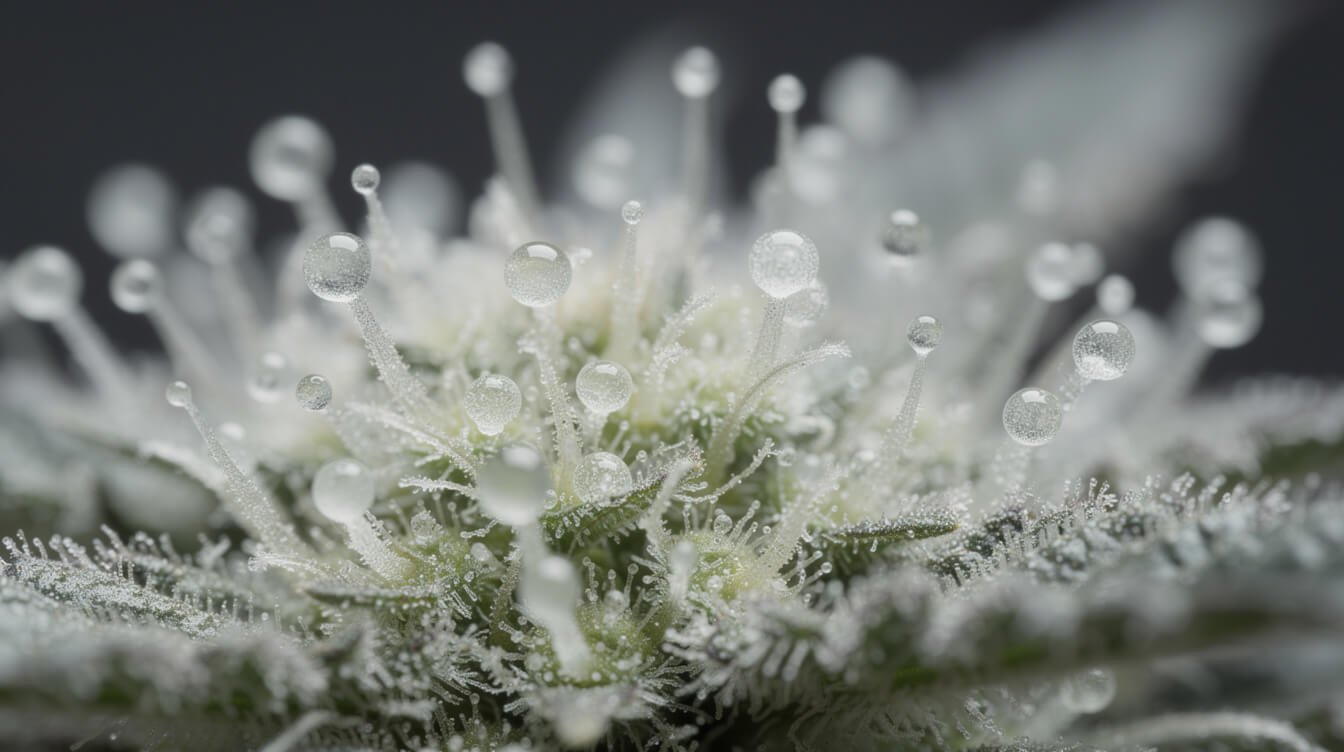
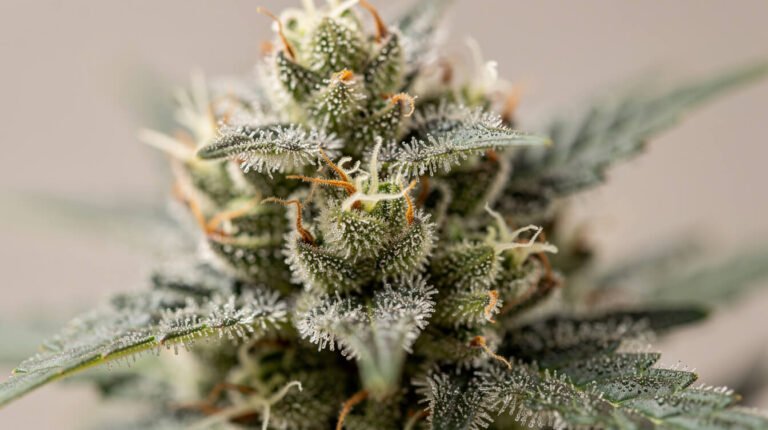
To understand kief you have to understand trichomes, and we’ve covered them in depth in our guide to what trichomes are and how to read them at harvest. The short version: trichomes are the tiny, frosty structures that make a well-grown bud look sugar-coated. Under magnification they look like microscopic mushrooms — a stalk with a round head on top.
Plant scientists sort cannabis’s glandular trichomes into three types: bulbous (tiny and low), capitate-sessile (a head on a very short stalk), and capitate-stalked (a larger head on a long stalk). A 2021 review in Frontiers in Plant Science describes the stalked glandular trichomes on female flowers as the type that produces the compounds of economic value. The cannabinoids and terpenes are made by a ring of secretory cells at the base of the head and stored inside it.
So what is kief, physically?
Mostly those heads. When dried flower is agitated, the heads snap off at the neck where they meet the stalk, and the heads are small enough — tens of microns across, with the biggest pushing past a hundred — to fall through a fine screen while the leafy material stays behind. Some stalks and plant fragments always come along for the ride. How many is the difference between great kief and mediocre kief.
That also explains why kief looks different from batch to batch. Pure, mostly-heads kief is pale blonde to light tan and almost sandy. Kief that’s green has plant matter mixed in — finer leaf dust that made it through the screen. Greener kief is less potent and tastes harsher, because you’re burning chlorophyll and plant fiber alongside the resin.
What’s actually inside a trichome head
The living plant doesn’t make much THC. It makes THCA, the acidic precursor, along with CBDA and a long list of terpenes. Heat and light slowly convert THCA to THC (decarboxylation), which is why the same review notes that fresh flower carries far more of the acid forms than the neutral ones. Kief is the same chemistry, concentrated: mostly THCA, plus the terpenes that give each cultivar its smell. If you want to go deeper on those aromatic compounds, our list of terpenes and their reported effects is the place to start.
Why every site quotes a different kief THC number
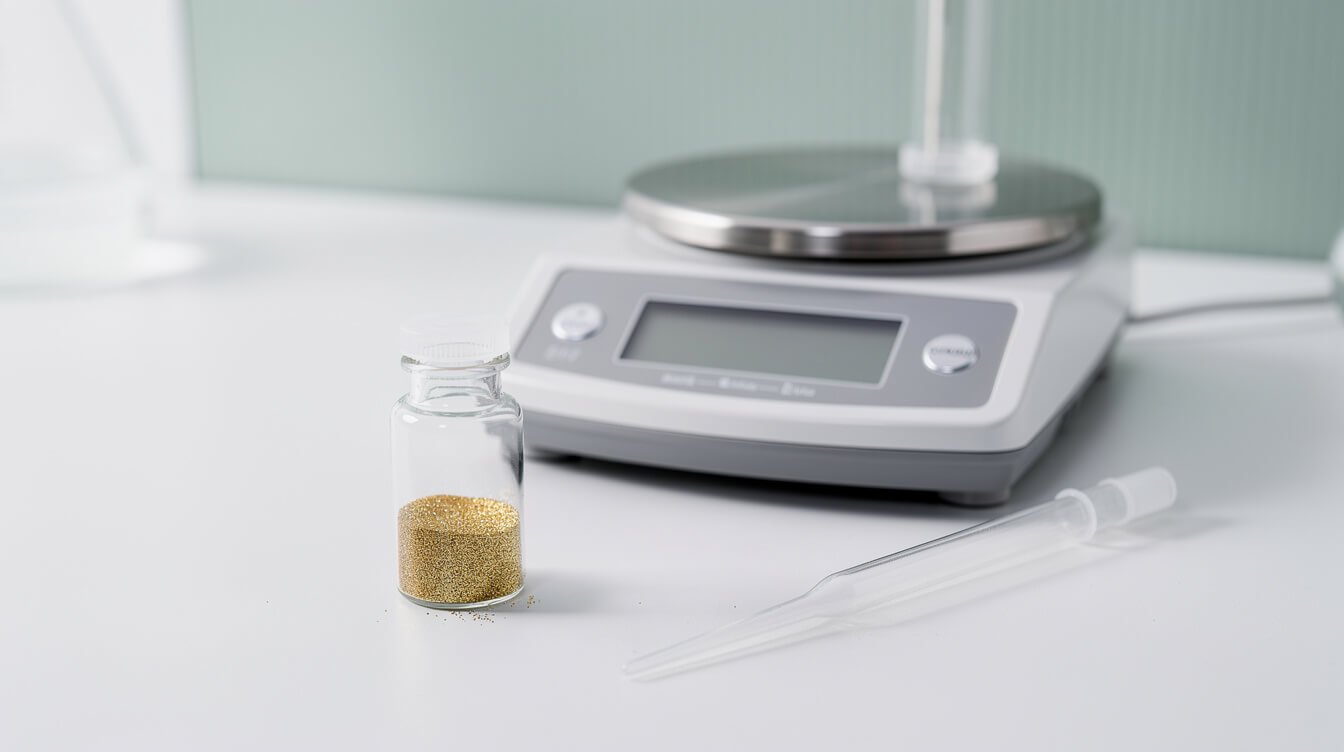
Here’s something worth knowing before you trust any kief potency claim. We read the pages currently ranking for this exact question and counted five different answers: “40–60% THC,” “around 50%,” “up to 70%,” “50–80%,” and “as high as 80%.” Most were stated as fact, without a source, and several came from businesses selling kief.
None of them is exactly wrong. They just aren’t describing the same material. Anyone researching what is kief made of chemically eventually hits the real explanation: kief potency is a range because four things vary.
1. Purity
Grinder kief is a mix of trichome heads, broken stalks, and leaf dust. Carefully screened dry sift, sorted by particle size, can be almost all heads. The more plant matter, the lower the number. This is the single biggest swing factor, and it’s the one you can see with your own eyes — color is a decent rough proxy.
2. The flower it came from
Kief concentrates whatever the source flower had. Resin-heavy flower makes stronger kief than airy, lightly frosted flower. The ratio between cannabinoids carries over too: kief from a CBD-dominant cultivar is CBD-dominant kief.
3. Age and handling
Detached trichome heads are exposed on every side. Heat, light, and air degrade THC over time, partly into CBN, and terpenes evaporate. Old kief from the bottom of a grinder that’s been sitting in a warm drawer is not the same material it was when it fell. Our explainer on whether weed goes bad walks through that degradation in detail.
4. What the number is actually measuring
Lab labels in legal markets usually report total THC, which combines the THC already present with the THC the THCA could become. The standard formula is:
Total THC = THC + (THCA × 0.877)
The 0.877 isn’t arbitrary. It’s the ratio of the two molecules’ weights: when THCA loses its carboxyl group as CO2, about 12% of its mass leaves with it. So a sample that’s 60% THCA is roughly 53% total THC, not 60%. Marketing copy doesn’t always make that distinction. A lab label from a licensed product is the only kief number that means anything. For anything homemade, assume you don’t know the strength, because you don’t.
The practical takeaway: “kief is 2–3 times stronger than flower” is a fair rule of thumb for decent kief. But treat it as reported, not guaranteed, and dose like you’re holding the strong end of the range.
How kief gets collected: grinder, screens, and boxes
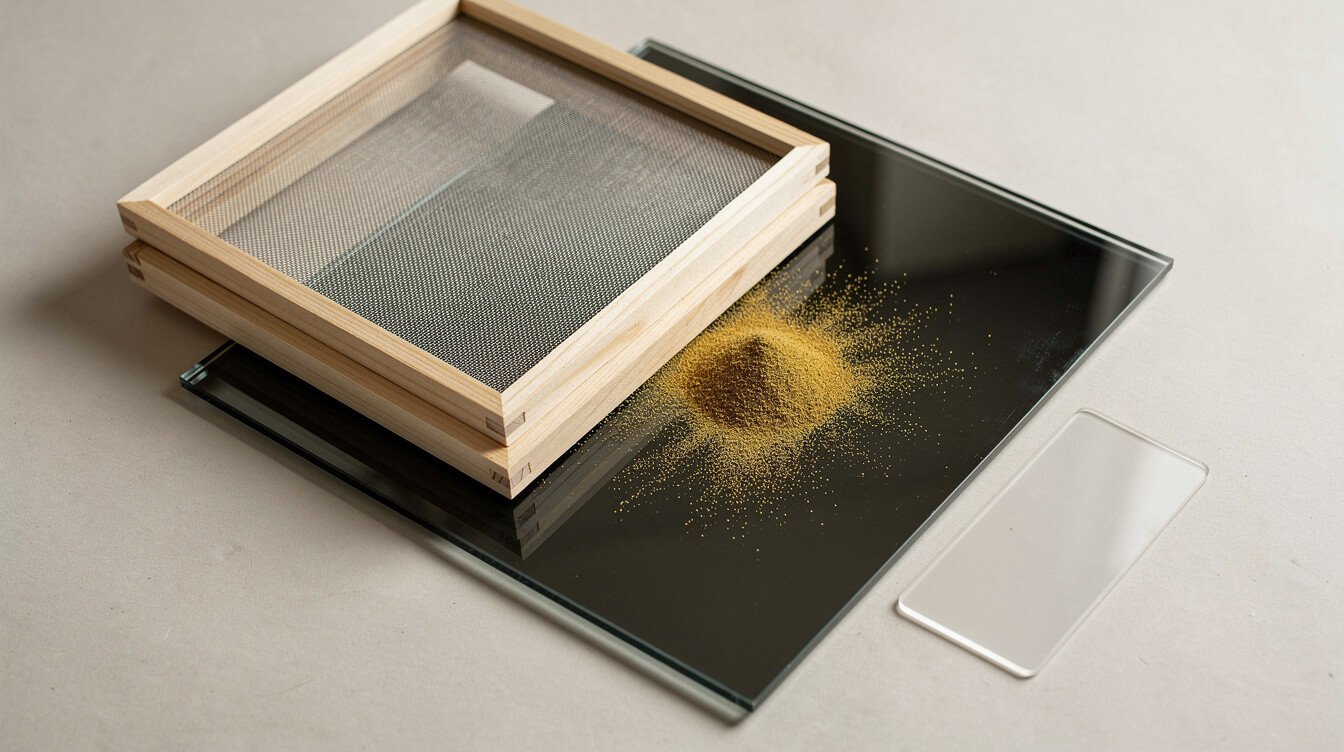
Every collection method works the same way: agitate dried cannabis, so the brittle trichome heads break off, then use a screen to separate them from the plant material. What changes is scale and cleanliness.
The three-chamber grinder
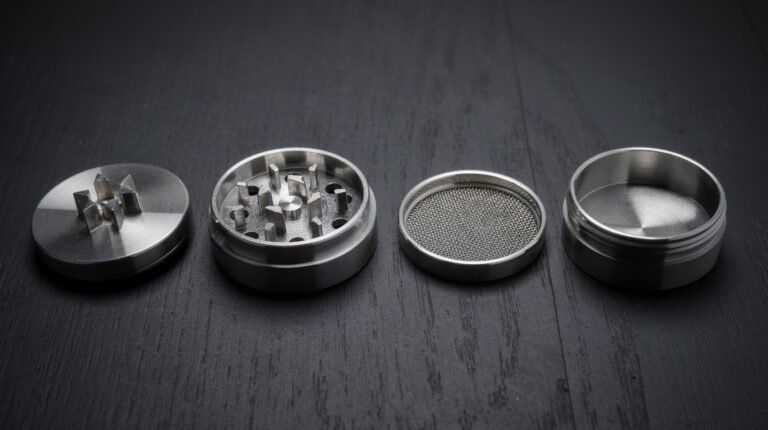
This is how most people meet kief without trying. A three- or four-piece grinder has a mesh screen under the grinding chamber. Everything you grind sits on top of it, and the finest particles fall through into the bottom chamber, or “kief catcher.” Over weeks it builds up a layer you can scrape out with the small tool most grinders include.
Two things affect how well this works. Screen quality matters: a finer, sturdier mesh lets fewer leaf fragments through. Build material matters too, since aluminum and stainless steel hold up better than cheap alloys and don’t shed metal flakes. We compare those trade-offs in our honest guide to the best weed grinder and in our look at whether a stainless steel weed grinder is worth the upgrade.
Two common tricks:
- A clean coin in the kief chamber. Shaking the grinder with a coin on the screen knocks loose trichomes stuck in the mesh. It works, but it also pushes more plant dust through, so you trade purity for yield.
- A few minutes in the freezer. Cold makes resin brittle, so trichome heads snap off more cleanly. Professional dry sifters take the same idea further with dry ice. Let the grinder come back to room temperature with the lid closed before opening it, or condensation will turn your kief into paste.
Sifting screens and kief boxes
A kief box — often sold as a “pollen box” — is a shallow box with a fine screen above a collection tray. You put dried flower or trim on the screen, close it, and shake gently. Stacked screens go one step further: material passes through progressively finer meshes, and each layer catches a different grade. The finer the final screen, the cleaner the kief and the smaller the yield.
For home growers in places where growing is legal, sifting dried trim — the resin-dusted sugar leaves you take off at harvest — is the traditional way to get something from material that would otherwise be composted. If you’re at that stage, our guide to trimming cannabis covers which leaves are worth saving.
How much flower makes a gram?
There’s no honest single number. It depends on how resinous the flower is, how fresh it is, and how hard you’re willing to work it. One widely cited rough estimate is that a grinder collects about a gram of kief over a quarter to half an ounce of flower. That’s in the right ballpark for patient, casual collection, and it’s also why a grinder full of kief usually represents months of use.
GanjaTech, weekly
Cannabis, explained. In your inbox.
One email a week: the clearest explainers, honest gear picks, and what the science actually says. 21+ only. No spam, unsubscribe anytime.
Kief vs hash vs rosin vs “pollen”
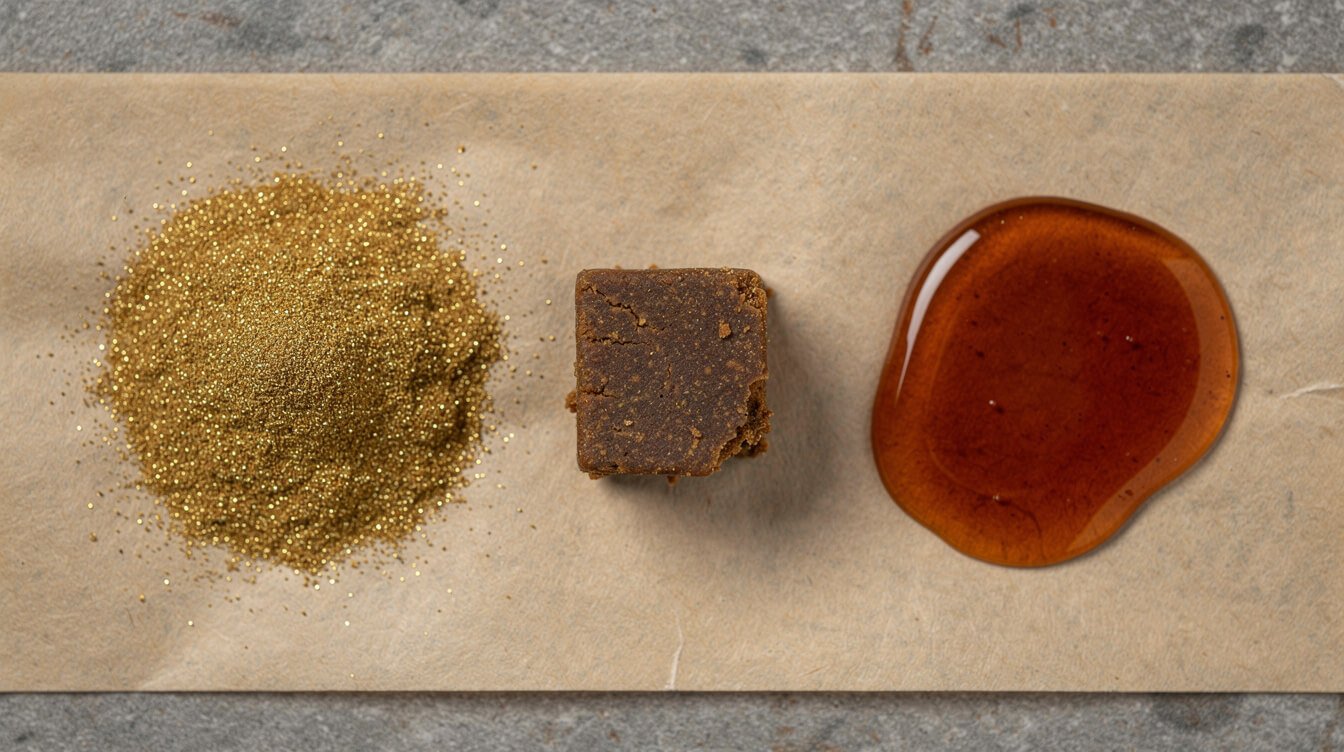
Half the confusion around what is kief comes from the vocabulary. These four words get used interchangeably online, and they shouldn’t be.
| Term | What it is | How it’s made | Form |
|---|---|---|---|
| Kief / dry sift | Loose trichome heads | Mechanical separation through a screen | Powder |
| Hash | Trichome resin compressed into a mass | Kief (or ice-water-washed resin) pressed, traditionally with heat and pressure | Solid block, ball, or slab |
| Rosin | The oil squeezed out of trichomes | Heat and pressure; the resin melts out, plant material stays behind | Sticky sap or budder |
| Pollen | Male cannabis plants’ reproductive dust | Released from pollen sacs on male plants | Fine powder — and not kief |
Kief vs hash
Hash is kief that’s been compressed. Historically that was a storage decision: loose powder is fragile and messy, and a pressed block keeps better and travels better. Pressing changes the texture and, with heat, starts to change the chemistry. But the raw material is the same trichome resin. That’s why kief and hashish share so much history across North Africa, the Middle East, and South Asia.
Kief vs rosin
Rosin goes a step further. Heat and pressure melt the resin out of the trichome heads, and the oil separates from whatever plant matter came along. Kief is one of the starting materials for rosin — “dry sift rosin” is exactly that — and we break down the whole process in our explainer on what rosin is and our comparison of live resin vs rosin.
Why “pollen” is the wrong word
Kief gets called pollen constantly, and the gear is often sold as “pollen boxes” and “pollen presses.” It isn’t pollen. Real cannabis pollen comes from male plants and is what fertilizes female flowers and makes them set seed. It isn’t resin, and it isn’t what anyone is trying to collect. For a grower, the difference is practical: pollen in a flowering room is a problem, and kief on your trim is a bonus. If you grow, our guide to male vs female cannabis plants covers why you don’t want the real thing anywhere near your crop.
How people use kief, and the dosing part nobody should skip
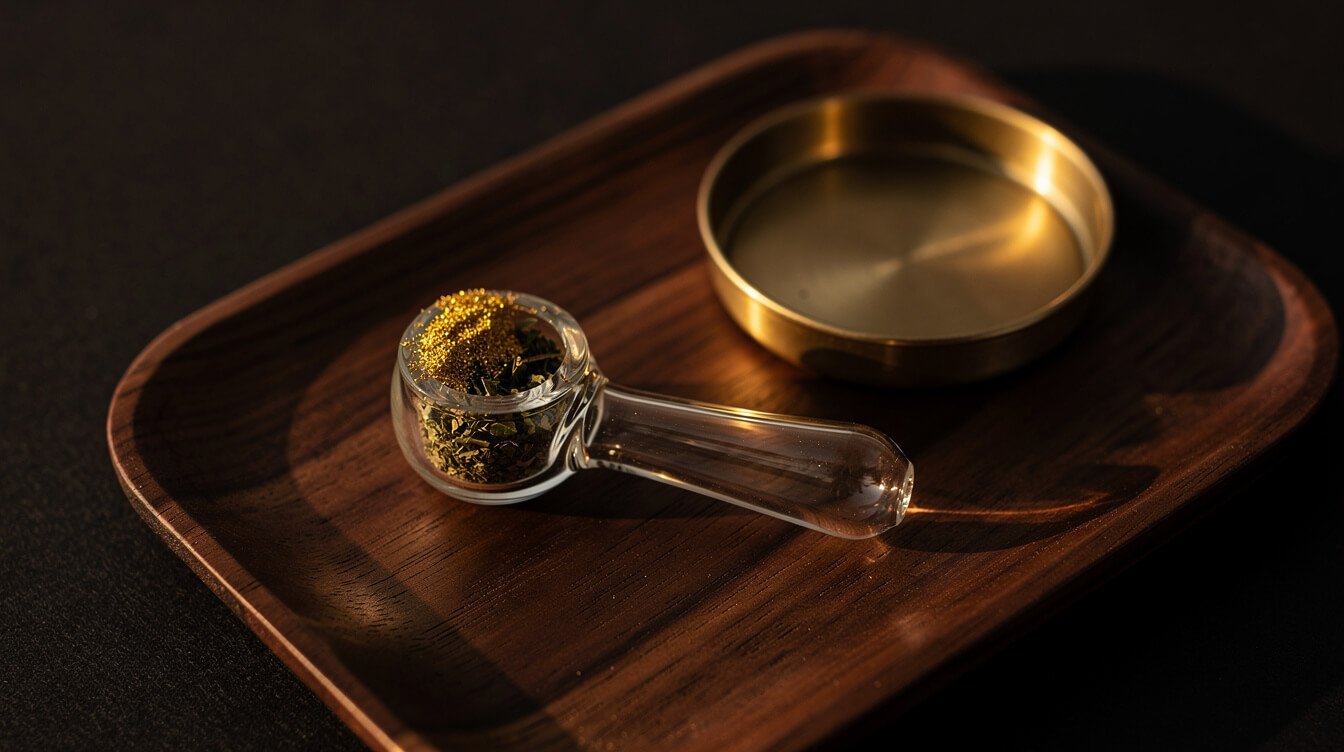
Knowing what is kief used for matters less than knowing how strong a pinch of it is. Here are the common uses, each with its catch.
Topping a bowl or adding it to a joint
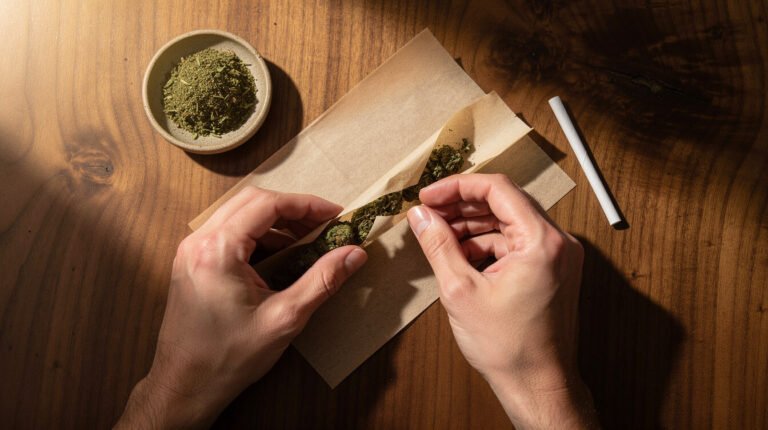
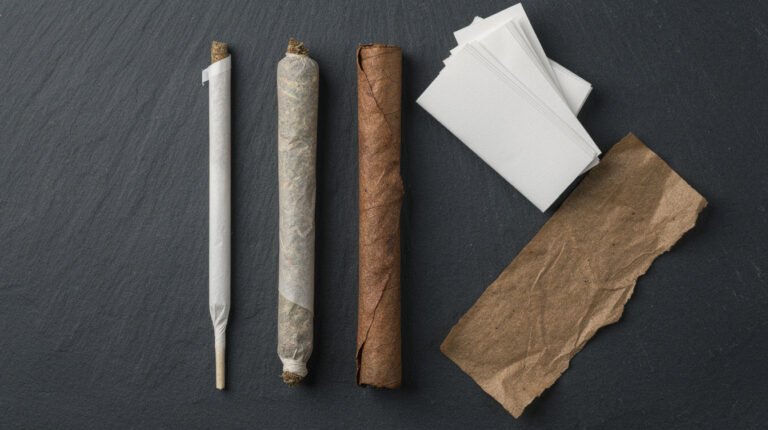
This is the most common use: a light sprinkle over or within ground flower. Kief burns hot and fast and tends to flare or melt straight through. Many people layer it between flower rather than on top, and use far less than looks reasonable. In a joint, a thin line in the middle of the flower burns more evenly than a heavy dusting. Our guide to rolling a joint covers the basics.
Dry herb vaporizers
Kief vaporizes well, but loose powder can fall through or clog a vaporizer’s screen. Many dry herb vapes sell concentrate pads or dosing capsules for exactly this reason. Check what your device’s maker recommends rather than packing loose kief straight into the chamber.
Edibles
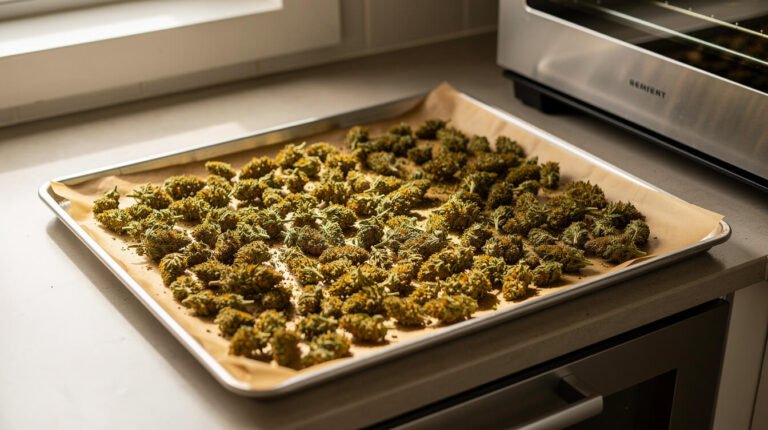
Kief can be infused into butter or oil, but only after it’s decarboxylated. Raw kief is mostly THCA, which isn’t meaningfully intoxicating when eaten. Smoking and vaping decarb it instantly; cooking needs a deliberate step first. Our breakdown of decarb temperature and time covers the trade-offs, and the method in our cannabutter guide adapts to kief.
The catch with homemade kief edibles is the dose, because you’re starting from a strength you don’t know. Here’s the arithmetic, with the assumptions labeled:
| If your 0.5 g of kief is actually… | THC available (theoretical max) | Per serving, if split 25 ways |
|---|---|---|
| 30% total THC | ~150 mg | ~6 mg |
| 50% total THC | ~250 mg | ~10 mg |
| 70% total THC | ~350 mg | ~14 mg |
Real numbers come in lower, because decarboxylation and infusion both lose some THC. Even so, the same batch could be a mild serving or more than twice that, and you have no way to tell from looking at it. Many legal markets define a single edible serving as 10 mg of THC, and people new to edibles are commonly advised to start around 2.5–5 mg. Start low, then wait. Edibles can take up to two hours to come on, and redosing too early is how bad nights happen.
Dabbing and pressing
Loose kief isn’t a good dab. The plant matter mixed into it scorches rather than vaporizing cleanly. People who want to dab kief press it into rosin first. If you’re curious about that whole world, start with our explainer on what dabbing weed is, which covers the temperatures and the risks. You’ll also see “moon rocks” — buds coated in oil and rolled in kief — sold in some legal markets. They’re among the strongest flower-format products out there, and very easy to overdo.
The responsible part
Kief is a concentrate, so treat it like one. A little goes a long way, tolerance builds faster with stronger products, and THC from kief shows up on drug tests the same way THC from flower does. Our guide to how long weed stays in your system covers the timelines. Don’t drive, don’t mix it with alcohol if you’re unsure how you’ll react, and keep it locked away from kids and pets. A powder doesn’t look like cannabis to someone who doesn’t know what it is.
How to store kief, and whether it’s legal where you live
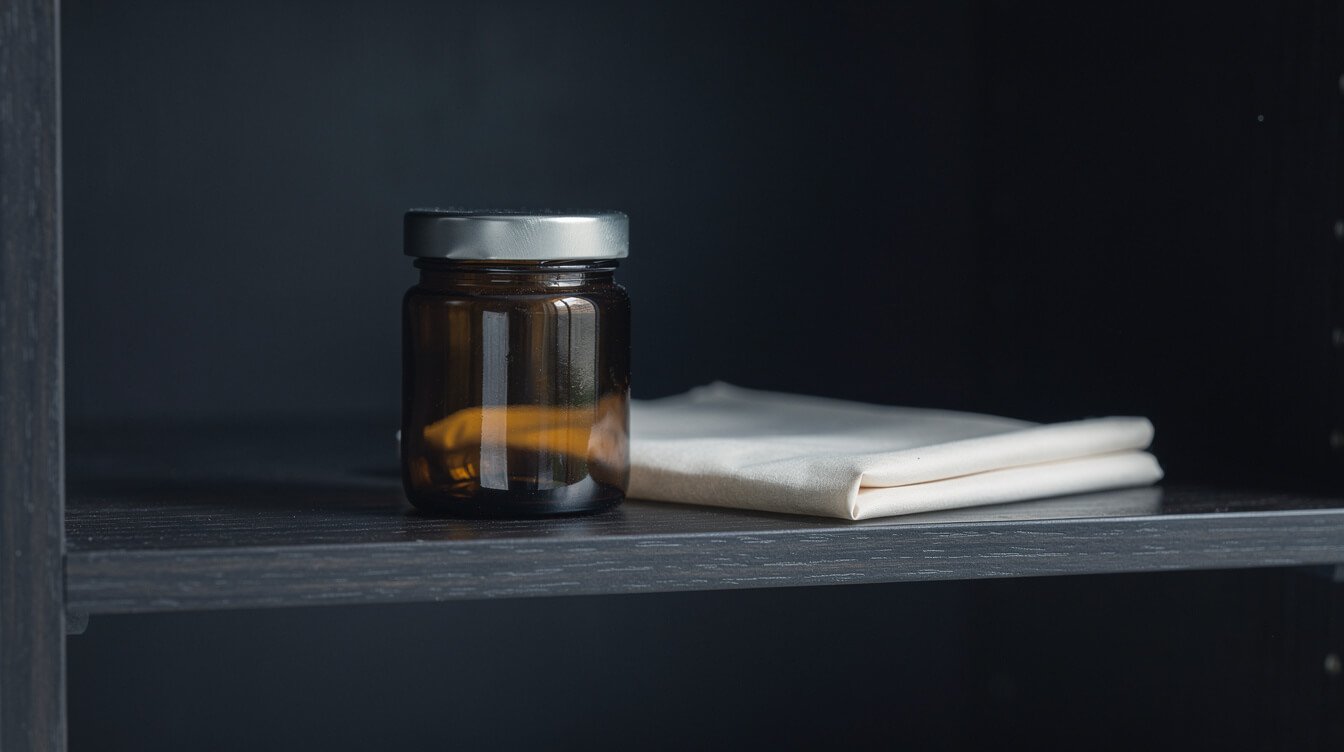
Kief degrades faster than whole flower, for a simple reason: every trichome head is exposed. In a bud, many trichomes are tucked into folds and sheltered by the ones around them. In a pile of powder, every head is in contact with air.
Storage basics
- Airtight glass. A small jar with a good seal beats a plastic bag, which builds static and clings to the powder.
- Cool and dark. Light and heat drive THC breakdown. A cupboard away from the stove beats a windowsill or a car glovebox.
- Dry. Kief doesn’t need the humidity control that flower does. Moisture just makes it clump, and in bad cases, grow mold. Skip the humidity packs you’d use for buds.
- Handle with tools, not fingers. Skin warmth and oils make resin smear and stick. A small scoop or a folded square of parchment paper works fine.
- Label it. Write the date and source flower on the jar. Kief from different flowers blends into an anonymous mix, and you lose track of how old it is.
Stored like this, kief stays usable for months, gradually losing aroma first and strength second. If it smells like nothing and has darkened noticeably, it’s past its best.
Is kief legal?
Wherever cannabis is illegal, kief is too. Where adult-use cannabis is legal, kief is often classified as a concentrate, and many places set a much lower possession limit for concentrates than for flower. In California, for example, the adult-use possession limit is 28.5 grams of cannabis but only 8 grams of concentrated cannabis. The state’s definition of concentrated cannabis covers separated resin, which is exactly what kief is. Other states draw these lines differently, and some cap concentrates at a few grams.
Cannabis also remains illegal under U.S. federal law, regardless of state rules. So the honest answer is: check your own state’s or country’s rules on concentrates specifically. Don’t assume that because flower is legal where you live, a jar of kief is treated the same way. Adults 21+ only.
What is kief? Quick answers to the questions people ask
What is kief made of?
Mostly detached trichome heads: the resin glands that store THCA, CBDA, other cannabinoids, and terpenes. There’s usually some stalk and plant dust mixed in, and the proportion depends on how it was collected.
Is kief stronger than weed?
Gram for gram, yes. Decent kief is commonly reported at two to three times the strength of the flower it came from. The exact figure varies so much with purity and source that any single number is a rough guide.
Why is my kief green?
Plant matter. Leaf fragments small enough to pass through your grinder’s screen tint the powder green. Pale blonde to tan kief is mostly trichome heads. Greener kief is weaker and harsher, but it’s still usable.
Can you eat kief straight?
You can, but it won’t do much. Raw kief is mostly THCA, which needs heat to become THC. That’s why kief for edibles gets decarbed first — and why the dose is hard to predict once it is.
Is kief the same as hash?
Same raw material, different form. Hash is kief (or other separated resin) pressed into a solid. Kief is the loose powder before pressing.
What is kief versus dry sift?
Same material, different reputation. “Dry sift” usually signals kief that was screened deliberately, often through several mesh sizes, so it’s cleaner than whatever builds up in a grinder. Chemically it’s the same trichome resin.
Does CBD kief exist?
Yes. Kief from a CBD-dominant cultivar or hemp carries that plant’s cannabinoid profile. Labeling and legal status for hemp-derived concentrates vary widely by state, so read the lab results and your local rules.
What is kief worth saving from a grinder?
Generally, yes, if you already consume cannabis legally. It’s resin you’ve already paid for, sitting in the bottom of the grinder. Just treat what you collect as the strongest thing in the jar.
The bottom line
So, what is kief when you strip away the hype? It’s trichome resin in powder form — the potent part of the plant, separated from the plant. It’s the oldest and simplest concentrate there is, made with a screen rather than a solvent. Its strength isn’t fixed: it depends on purity, the source flower, its age, and how anyone chose to measure it, which is why you’ll see numbers anywhere from 40% to 80% quoted with total confidence.
If you take three things away, make them these: lighter is purer, the label is the only number that counts, and a pinch is a dose. Store it cold, dark, dry, and airtight. Know your local rules on concentrates before you assume a jar of it is treated like flower. Respect the plant, know your laws, and enjoy it responsibly.
Before you go
Get the next explainer first
We publish a new one every day. The best of the week, plus what's new in the shop, lands in one short email.