How to Tell if Weed Is Laced: What Labs Have Actually Found (and What’s Just Rumor)
Here’s the honest answer on how to tell if weed is laced: most of the time, you can’t tell by looking at it, smelling it, or burning it. The things that have actually been found in cannabis by labs, like synthetic cannabinoids sprayed onto low-THC flower, lead added for weight, and glass beads, were mostly invisible to the people who bought it. The most reliable warning sign is how it hits. A reaction that doesn’t fit weed, especially after a small amount, is the signal to stop and, if it’s serious, to get help.
Most of page one for this question is rehab centers and helplines, and many of those pages repeat the same long list (LSD, meth, cocaine, heroin, fentanyl) without showing a single lab report. This guide separates what’s been documented from what’s mostly rumor, explains which checks are worth doing and what they can’t catch, and covers what to do if a high feels wrong. It’s for adults 21+, and it’s harm-reduction education, not medical advice. Cannabis laws vary by state and country, so know yours.
How to tell if weed is laced: the honest answer
If you only read one section, make it this one. Here’s what the evidence supports:
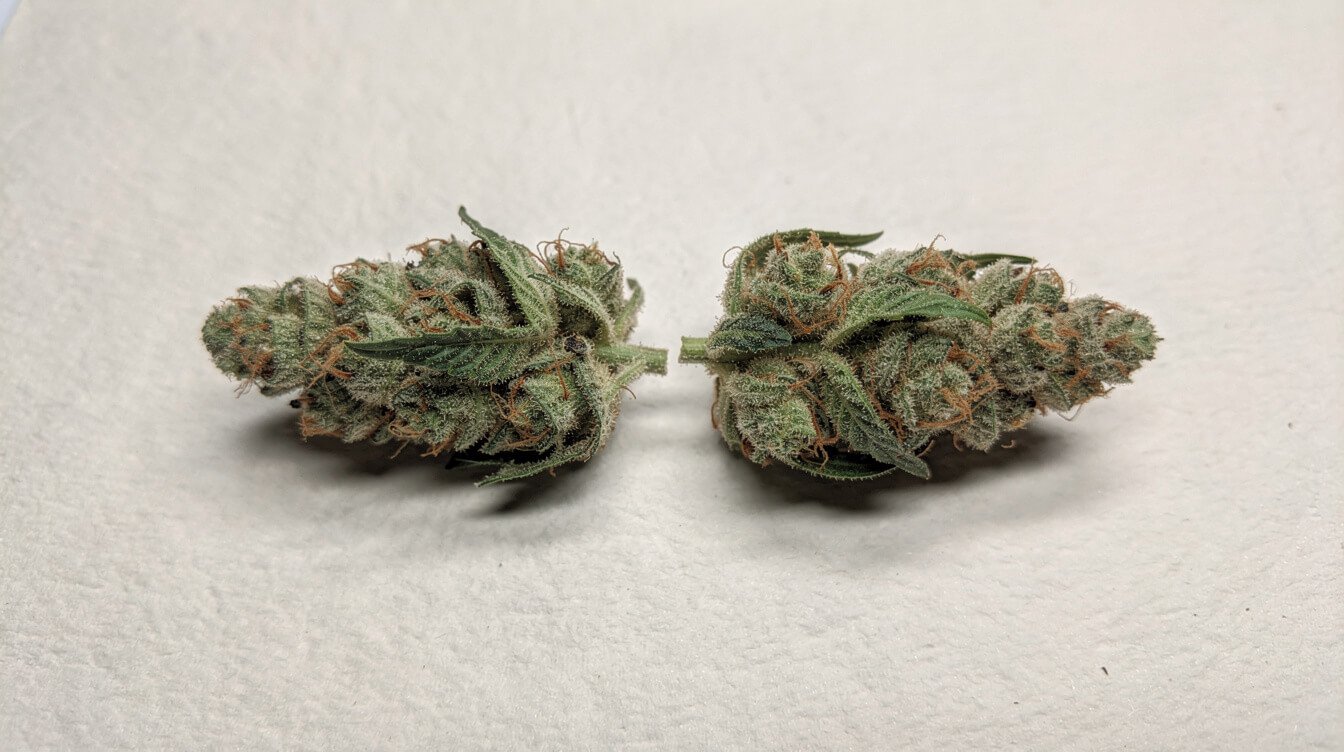
- Looks and smell catch very little. When cannabis contaminated with glass beads spread across the UK in 2007, one campaigner told the Guardian: “It looks perfectly normal. In fact it looks good quality.” Synthetic cannabinoid sprays and lead dust were also caught by lab tests and hospital blood work, not by eye.
- The documented cases are mostly about cheating. Adding weight to sell (lead, glass) and making weak flower feel strong (synthetic cannabinoids on low-THC hemp) show up in the published record. Secretly adding expensive hard drugs to weed mostly doesn’t.
- Fentanyl in weed is rare, not impossible. The most-cited U.S. case, Connecticut in 2021, ended up with one lab-confirmed sample, and investigators traced it to cross-contamination, not deliberate lacing.
- Your body is the best detector you’ve got. Seizures, a person who can’t be woken, slow or gurgling breathing, pinpoint pupils, chest pain, or extreme agitation after a normal amount isn’t what weed does. Treat it as an emergency.
- Plenty of bad trips are just too much THC. Racing heart, anxiety, paranoia, and nausea are miserable, but they’re well-known effects of too much THC. Our greening out guide covers that.
So the real skill isn’t spotting laced weed in the bag. It’s knowing which checks are worth doing, which reactions don’t fit cannabis, and what to do when you see one. Let’s take those one at a time.
What weed actually gets laced with (and what’s mostly rumor)
“Laced” gets used for two different things. Adulteration means something was added on purpose: to add weight, to fake potency, or to change the effect. Contamination means something got in by accident or neglect, like mold or residue from a dirty workspace. Both can hurt you, but they come from different places and leave different clues.
It’s also worth knowing how thin the evidence base is. A 2008 systematic review in Addiction (McLaren et al.) found that while there are “some grounds to be concerned” about contaminants, there had been “no systematic monitoring,” and that public claims about the mental-health harms of contamination weren’t supported by the evidence. That’s why the documented cases below matter so much. They’re the ones that were actually tested.
Documented: synthetic cannabinoids sprayed on low-THC flower
This is the best-documented modern case, and it’s the one most likely to fool an experienced smoker. Starting in spring 2020, European drug-checking services began finding a synthetic cannabinoid called MDMB-4en-PINACA in low-THC cannabis. Across nine services in eight countries, Oomen et al. (2022) found it in 270 of 1,142 samples that people had brought in because they suspected something was off. That’s not a prevalence rate for all weed, since these were suspect samples, but it’s a lot of confirmed cases.
A Swiss study by Monti et al. (2022) found synthetic cannabinoids in half of 94 drug-checking samples, and every adulterated flower sample contained 1% THC or less. The trick is simple: take cheap, legal, low-THC hemp flower that looks like the real thing, spray it with a synthetic, and sell it as strong weed. People who used the adulterated products reported more adverse effects, with psychological and heart-related effects more pronounced than in the THC-only group.
Synthetics are dangerous because they aren’t THC. The CDC notes there are hundreds of different synthetic cannabinoid chemicals, the dose can vary within a single batch, and effects include agitation, hallucinations, psychosis, seizures, fast heart rate, and in severe cases heart attack, stroke, and kidney failure. The packaged versions sold as “K2” or “spice” carry their own risks too. In 2018, an Illinois outbreak linked to synthetic cannabinoid products contaminated with brodifacoum, a long-acting rat poison, caused 155 cases of serious bleeding and four deaths (CDC MMWR). Our zaza explainer covers why gas-station “herbal” products are a different category from cannabis.
Documented: lead and glass added for weight
Weed is often sold by weight, so heavy fillers pay. Between August and December 2007, a mass lead poisoning in Leipzig, Germany was traced to adulterated marijuana. Busse et al. report that 35 patients needed hospital treatment, and of 597 cannabis consumers who got their blood lead checked at the local health office, 27.3% were above Germany’s HBM-II threshold, the level at which health effects become a concern. The authors put it down to dealers trying “to maximize profits.” Nobody spotted the lead by looking. Doctors found it while working up unexplained anemia and abdominal pain.
The UK “grit weed” episode was the same idea with different filler. According to the Guardian’s 2007 report, reflective glass beads (the kind used in road-line paint) were sprayed onto plants to add weight. The French drug observatory measured the beads at 0.02 to 0.3 mm. A consultant quoted in the piece said most were too big to reach the lungs and would likely deposit in the mouth or throat. That’s reassuring for lungs, but it’s still ground glass you paid for.
Documented, but usually not secret: PCP
PCP on cannabis is real. The DEA’s PCP fact sheet says leafy material, including marijuana, is “saturated with PCP” and smoked, and that a joint dipped in liquid PCP is called a “dipper.” The combination has its own street names, “wet” and “zoom,” which suggests it’s usually sold as what it is rather than slipped in. It’s the main documented case where another hard drug ends up on weed.
Rare, and mostly cross-contamination: fentanyl
This is the claim that drives most of the searches, so here’s the full story of the case everyone cites. Between July and October 2021, Connecticut’s Overdose Response Strategy team logged 39 cases where people who said they had only smoked marijuana needed naloxone to be revived. The state lab then confirmed fentanyl in a marijuana sample police took from an overdose scene in Plymouth, which the team called the first lab-confirmed case in the state and “possibly the first confirmed case in the United States” (CT-ORS bulletin). Then the federal HIDTA program dug deeper. According to NBC Connecticut, that Plymouth sample was “the only cannabis sample positive for fentanyl in five months of submissions.” Investigators concluded the dealer had bagged weed with the same equipment used for fentanyl. It was cross-contamination, not deliberate lacing, and 30 of the 39 people turned out to have a history of opioid use.
The Partnership to End Addiction, an addiction-prevention nonprofit, sums it up this way: “there is no solid evidence that marijuana is being laced with fentanyl” (drugfree.org). The honest takeaway has two halves. Deliberate fentanyl-laced weed is mostly a myth. But in an unregulated supply where the same hands touch both, cross-contamination can happen, and fentanyl is potent enough that a small amount matters.
Mostly rumor: LSD, meth, cocaine, and heroin “lacing”
These show up on almost every list on page one. We couldn’t find a lab-confirmed report of secretly LSD-, meth-, cocaine-, or heroin-laced flower in the public-health sources we checked. Even one of the rehab sites ranking for this term (drugrehab.com) admits that most dealers “don’t lace marijuana with hard drugs” because “they’d be losing money.” That doesn’t mean it never happens. It means the scary list is a list of possibilities, not a list of findings.
What does laced weed look like, smell like, and burn like?
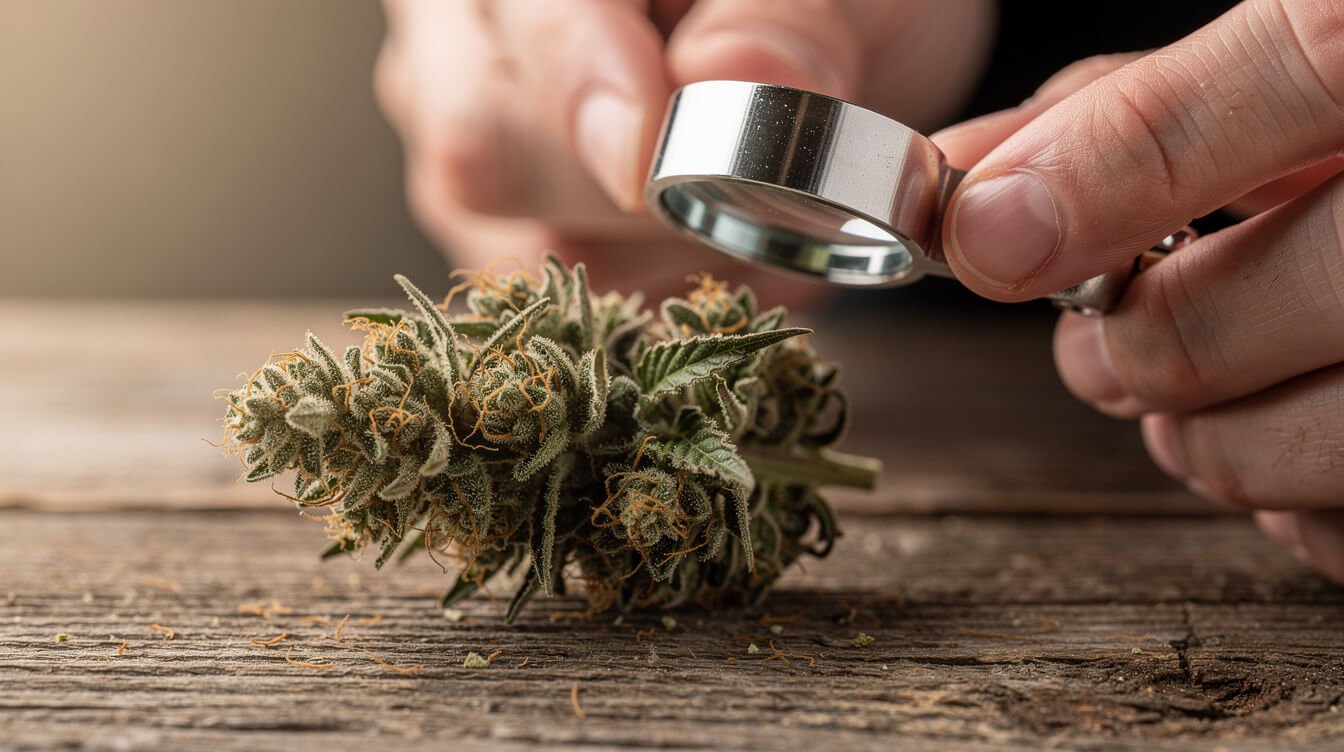
Visual, smell, and burn checks are still worth doing. They won’t catch the dangerous stuff, but they catch the obvious stuff, and they help you notice when something’s changed. Just be honest with yourself about what each one can and can’t tell you.
Look: useful for mold and gunk, weak for drugs
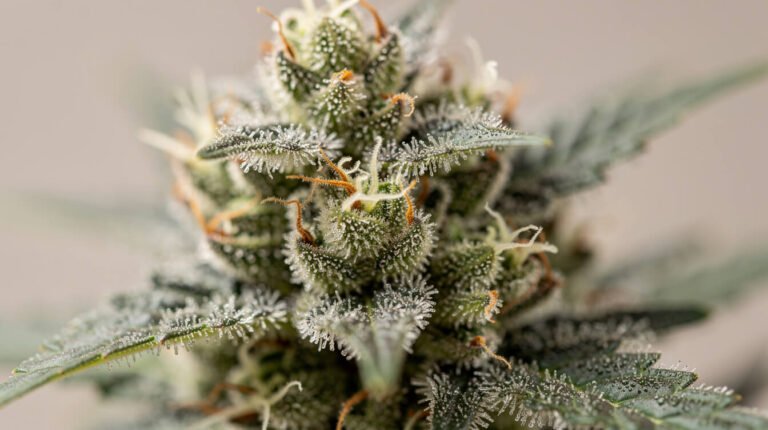
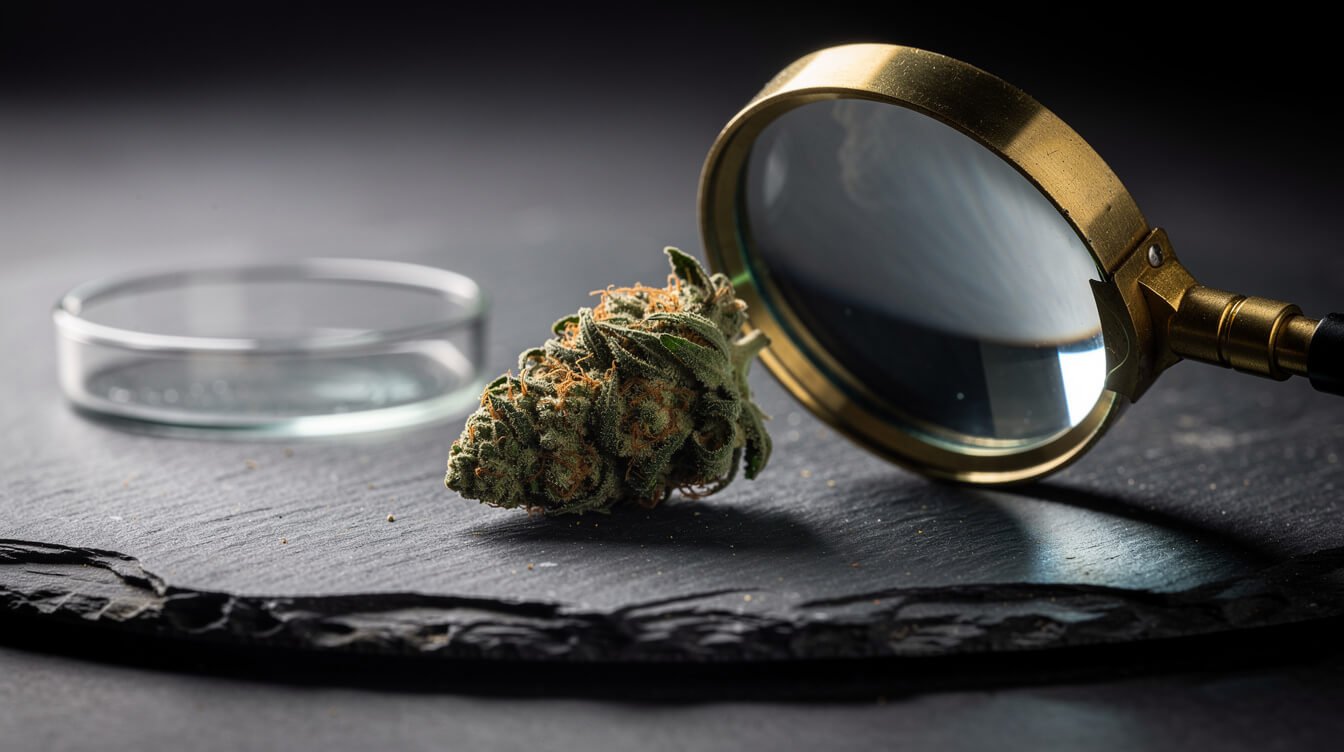
A loupe or phone macro lens is the best tool you can own for this. Healthy trichomes look like tiny glassy mushrooms with round heads. Things worth noticing:
- Fuzzy, web-like, gray or white growth, or black or brown spots. That’s usually mold, a contamination problem rather than lacing. Our moldy weed guide shows how to tell mold from trichomes.
- Loose powder or crystals that don’t look like trichomes, meaning flat, chalky, or sitting on top of the bud instead of growing from it. Don’t touch it to your tongue to check. Just don’t use it.
- Grit or sparkle that feels like sand. Glass and sand don’t look like trichomes under magnification.
- Wet or oddly sticky buds that smell of chemicals. Something liquid may have been applied.
What looking can’t do is spot a sprayed-on synthetic cannabinoid, which leaves flower looking like flower, or trace fentanyl, which the CDC says “you wouldn’t be able to see it, taste it, or smell it.”
Smell: a mismatch is a clue, not proof
Cannabis aroma comes from terpenes and sulfur compounds, and it varies a lot between cultivars. A sharp solvent, ammonia, or perfume smell that’s layered over the usual aroma is worth noting. So is weed with almost no smell that’s being sold as top-shelf, since old or low-quality flower loses its aroma (see does weed go bad). Neither one proves lacing, though. Weed can smell perfectly normal and still be adulterated.
Burn: mostly folklore
You’ll read that laced weed sparks, crackles, burns black, or leaves odd ash. Moisture, seeds, stems, and how the flower was dried all change how it burns, so a weird burn usually means poor curing, not drugs. Treat the “CD scratch” and “wet-finger rub” tests for grit the same way. They come from forums, not labs, and they can’t detect anything except big particles.
How to tell if weed is laced by how it hits

This is where you actually find out. The question isn’t “do I feel weird?” Too much THC can feel very weird. The question is “does this fit what cannabis does?” Here’s a rough guide.
Consistent with too much THC
- Racing heart, anxiety, paranoia, feeling like time has stopped
- Dizziness or feeling faint, especially when standing up
- Nausea, sometimes vomiting
- Dry mouth, red eyes, the munchies, sleepiness
These are unpleasant and can be scary, but they usually ease over a few hours. Calm surroundings, water, sitting or lying down, and time are what help. Our greening out guide walks through it.
Doesn’t fit weed: treat as an emergency
- Can’t be woken up, or slow, shallow, or gurgling breathing, blue or gray lips, pinpoint pupils. These are the CDC’s signs of an opioid overdose. Cannabis alone doesn’t cause them.
- Seizures, severe agitation or violent behavior, chest pain, or a very fast heart rate that doesn’t settle. The CDC lists seizures, violent behavior, fast heart rate, and heart attack among synthetic cannabinoid effects. None of that is normal for THC.
- A blank stare, rapid involuntary eye movements, numbness, or overheating. The DEA lists these among PCP’s observable effects.
- Unexplained bleeding or bruising (gums, nose, urine) days after smoking a “herbal” product. That’s the brodifacoum picture from the Illinois outbreak.
Timing and dose matter too. If one small hit from a new batch hits like ten, stop there. It might just be strong flower. But a synthetic sprayed on hemp is designed to feel exactly like “strong weed,” and the safest assumption is that you don’t know which one you’ve got.
GanjaTech, weekly
Cannabis, explained. In your inbox.
One email a week: the clearest explainers, honest gear picks, and what the science actually says. 21+ only. No spam, unsubscribe anytime.
Testing: what test strips and labs can (and can’t) tell you

If you want an answer that’s better than a guess, testing is the way to get one. Each method has blind spots, though.
Fentanyl test strips
The CDC says fentanyl test strips are inexpensive and “typically give results within 5 minutes,” and that it’s “nearly impossible” to know if drugs contain fentanyl without testing. It also warns that strips “might not detect more potent fentanyl-like drugs, like carfentanil.” For flower, there’s one more catch. Cross-contamination is patchy, so a negative from one pinch doesn’t clear the whole bag. A positive is a firm stop. A negative means fentanyl wasn’t detected in that piece. Laws on test strips differ by state, so check yours.
Home reagent kits
Color-change reagent kits were built mostly for powders and pills, to flag a class of drug. We couldn’t find validation data showing they reliably detect synthetic cannabinoids on plant material. A kit that “doesn’t change color” on your weed doesn’t prove it’s clean.
Lab analysis
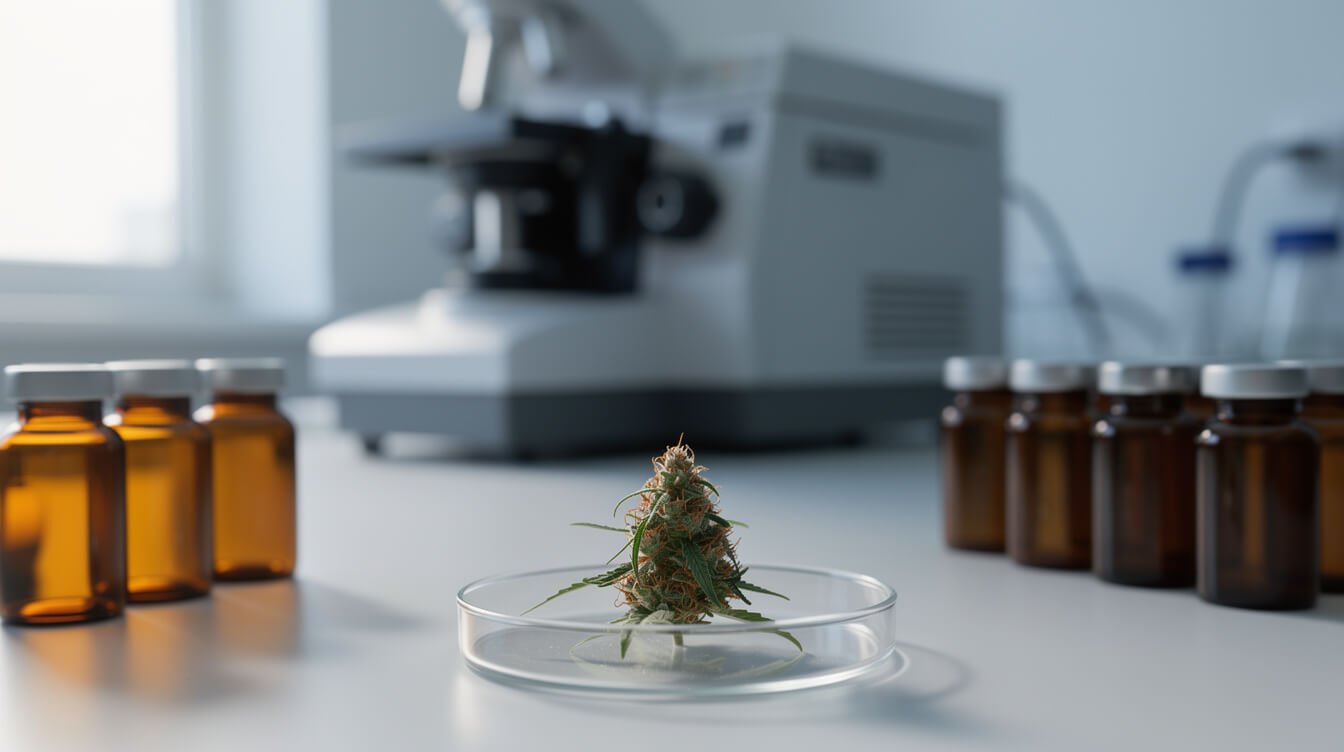
The synthetic-cannabinoid wave was caught by drug-checking services running lab instruments. The Swiss team used liquid chromatography with high-resolution mass spectrometry. That’s the kind of testing that actually answers “what’s in this?” Where drug checking exists, it’s the gold standard. In places where cannabis is legal and regulated, products typically have to pass lab testing before sale, and the label or certificate of analysis is your evidence. Testing panels and rules vary by state, so the details differ.
Your drug test won’t tell you either
People sometimes hope a urine test will settle it after the fact. Standard screens look for a fixed set of drug classes, and the CDC notes synthetic cannabinoids “are not detectable on most standard in-house hospital drug screens, including assays for” THC. For how long cannabis itself shows up, see how long weed stays in your system.
What to do if you think your weed was laced
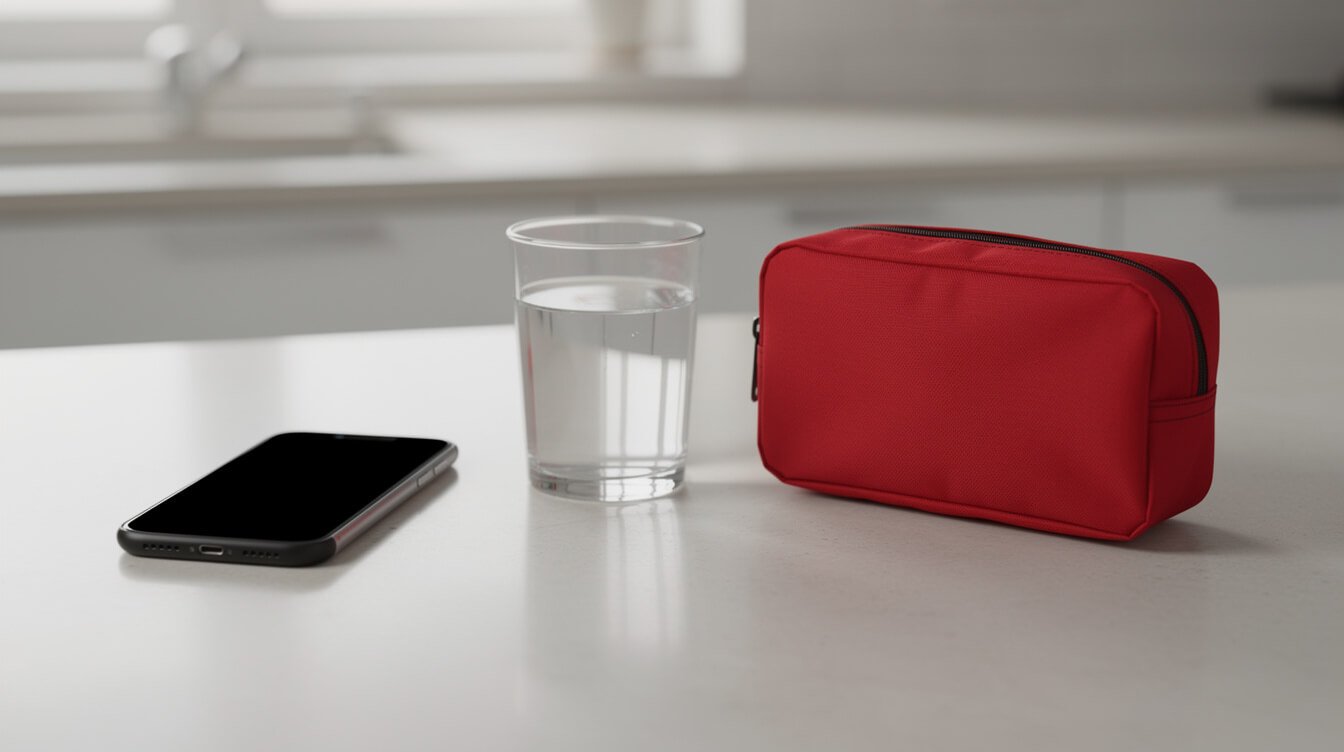
Whether it’s you or a friend, the steps are the same. Don’t wait to be sure.
- Stop using it. Don’t take “one more to see.” Set the rest aside.
- Don’t drive, and don’t let them drive. That’s true for any high, and it matters more when you don’t know what’s in it.
- Stay with the person. Don’t leave anyone alone to “sleep it off” if they’re very drowsy.
- Call 911 for any red flag from the list above: can’t wake them, breathing slow or noisy, seizure, chest pain, severe agitation, or blue lips.
- If opioids are possible, give naloxone. The CDC says naloxone “won’t harm someone if they’re overdosing on drugs other than opioids,” so use it if you think someone is overdosing. It can restore breathing within 2 to 3 minutes. More than one dose may be needed with fentanyl. Stay with them until help arrives, or for at least four hours.
- If they’re drowsy or vomiting, roll them onto their side so they don’t choke.
- Tell responders what was used, including that you suspect lacing. Keep the rest of the product so it can be described or tested.
- Not an emergency but worried? Call Poison Control at 1-800-222-1222 (free, confidential, 24/7 in the U.S.).
For synthetic cannabinoids specifically, the CDC says there’s no antidote, but hospitals can manage seizures, agitation, and nausea with supportive care. That’s another reason to go in rather than ride it out.
If it turns out it was “just” a lot of THC, that’s still a real experience worth respecting. Our greening out guide covers what helps. If you’d been drinking too, weed and alcohol together explains why the combination hits harder.
How to lower your risk without guessing
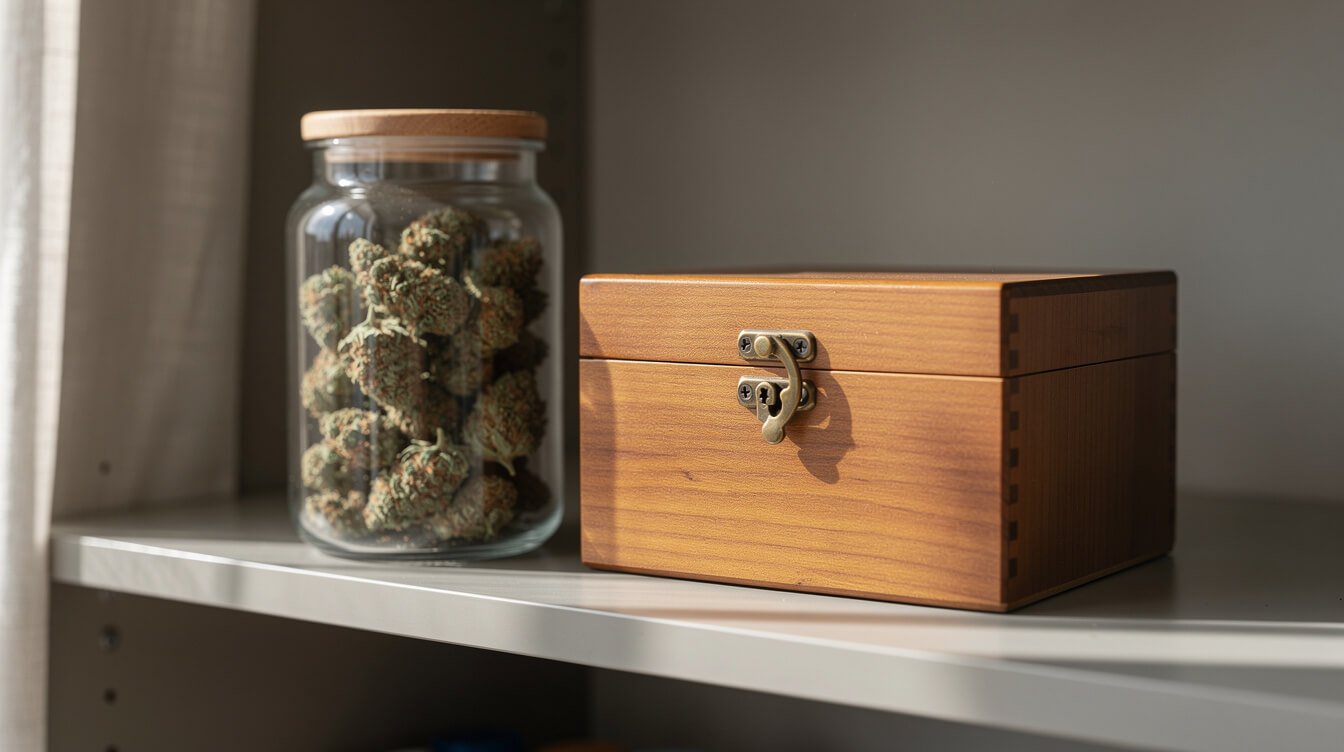
You can’t eyeball your way to safety, but you can stack the odds in your favor.
- Tested beats trusted. Where cannabis is legal and regulated, lab-tested, labeled products are the biggest single risk reducer. In the Connecticut case, state officials pointed people to regulated products for exactly that reason. Know your local laws first.
- Be suspicious of “strong” weed that doesn’t add up. The synthetic-on-hemp trick works because weak flower suddenly hits like a freight train. A label or claim that doesn’t match the experience is a reason to stop.
- Start with one small hit from any new batch, then wait. Give it 10 to 15 minutes before deciding on more. A small first dose limits the damage if something’s wrong.
- Don’t use alone. Many of the red flags above are things only someone else can see.
- Carry naloxone if opioids are anywhere in your circle. It’s cheap insurance, it’s safe, and it works on fentanyl.
- Don’t mix. Alcohol and other drugs make it harder to tell what’s causing what, and they stack the risk.
- Be extra careful with concentrates and “potent” coated products. They’re easier to adulterate and harder to judge. Our moon rocks explainer shows why big potency claims are often just math.
- Store it like medicine. Keep it locked, labeled, and out of reach of kids and pets.
Frequently asked questions

Can you tell if weed is laced just by looking at it?
Usually not. Looking can catch mold, loose powder, grit, or a chemical-wet finish, so it’s worth doing. But the documented cases (synthetic cannabinoid sprays, lead, and glass beads) mostly looked normal. Glass-bead weed was described as looking “good quality.” If you’re wondering how to tell if weed is laced with confidence, the answer is lab testing, or your reaction after a small first dose.
Can weed be laced with fentanyl?
It’s possible but rare, and the evidence points to accidental cross-contamination rather than deliberate lacing. The best-known U.S. case (Connecticut, 2021) ended with one lab-confirmed sample in five months, traced to shared bagging equipment. Fentanyl can’t be seen, smelled, or tasted, so a test strip and naloxone are the real safeguards.
What does laced weed smell like?
Sometimes like solvent, ammonia, or perfume layered over normal cannabis aroma. Often it smells like nothing unusual at all. A strange smell is a reason to be careful, but a normal smell is not proof it’s clean.
What are the symptoms of laced weed?
It depends on what’s in it. Opioids cause pinpoint pupils, slow or noisy breathing, and unresponsiveness. Synthetic cannabinoids cause seizures, severe agitation, chest pain, or psychosis. PCP causes a blank stare, rapid eye movements, and numbness. Anxiety, a racing heart, and nausea on their own are more typical of too much THC. Any red-flag symptom means calling 911.
Can weed be laced with LSD or meth?
These turn up on lots of lists, but we couldn’t find lab-confirmed cases of secretly laced flower in the public-health sources we checked. Adding pricier drugs to weed usually doesn’t make financial sense. The adulterants that have actually been documented are cheap ones: weight fillers and synthetic cannabinoids.
How long do laced weed symptoms last?
It depends on the substance and the dose. The DEA says PCP intoxication can last 4 to 8 hours, with some effects lingering longer. Synthetic cannabinoid effects vary widely by chemical. Don’t wait it out to see. If symptoms are severe or don’t fit weed, get medical help now.
Is laced weed common?
Nobody really knows, because there’s no systematic monitoring of street cannabis. That was the conclusion of the 2008 review, and it’s still mostly true. What’s clear is that adulteration has happened in real outbreaks, and it’s far more likely in unregulated supply than in tested, regulated products. That’s why the practical approach to how to tell if weed is laced is a habit (small first dose, never alone, naloxone nearby), not a single test.
Final thoughts
The internet version of laced weed is a scary list of hard drugs you could supposedly spot by color or smell. The documented version is quieter and, in some ways, more useful to know. It’s mostly cheats that add weight or fake potency, like lead, glass, and synthetic cannabinoids sprayed on weak hemp, plus the occasional cross-contamination with something far more dangerous. Almost none of it was visible to the person holding the bag.
So the real answer to how to tell if weed is laced is to stop trusting your eyes and start trusting tests and your own reactions. Inspect it for the obvious stuff. Choose tested products where that’s legal. Take one small hit from anything new and wait. Never use alone, and keep naloxone around if opioids are anywhere nearby. If a reaction doesn’t fit weed, act on it: call 911 for red flags or Poison Control at 1-800-222-1222 for questions. If you’re worried about your own use, SAMHSA’s free, confidential helpline is 1-800-662-4357.
Great plant. Respect it, know your laws, and know what’s in it.
Before you go
Get the next explainer first
We publish a new one every day. The best of the week, plus what's new in the shop, lands in one short email.