What Is Greening Out? What Helps, What Doesn’t, and When to Get Help
If you’re searching what is greening out right now, there’s a decent chance it’s happening to you or to someone on your couch, so here’s the short version first. Greening out means you took in more THC than your body is ready for. It usually brings nausea, dizziness, a racing heart, sweating, and a wave of anxiety or panic. It feels awful, but for most people it fades over a few hours as the THC wears off. Sit or lie down, sip water, get somewhere calm, and have a sober person nearby. Call 911 for chest pain, fainting, a seizure, trouble breathing, someone you can’t wake, or if alcohol or other drugs are in the mix.
That’s the answer. Most of page one for this question is rehab centers, ending in a pitch for their admissions line. This guide skips that and covers why edibles cause so much of it, how long it lasts (measured, not guessed), what helps, and the two popular “fixes” the research says don’t work. It’s written for adults 21 and over, and cannabis laws vary by state and country, so know the rules where you are.
What is greening out?
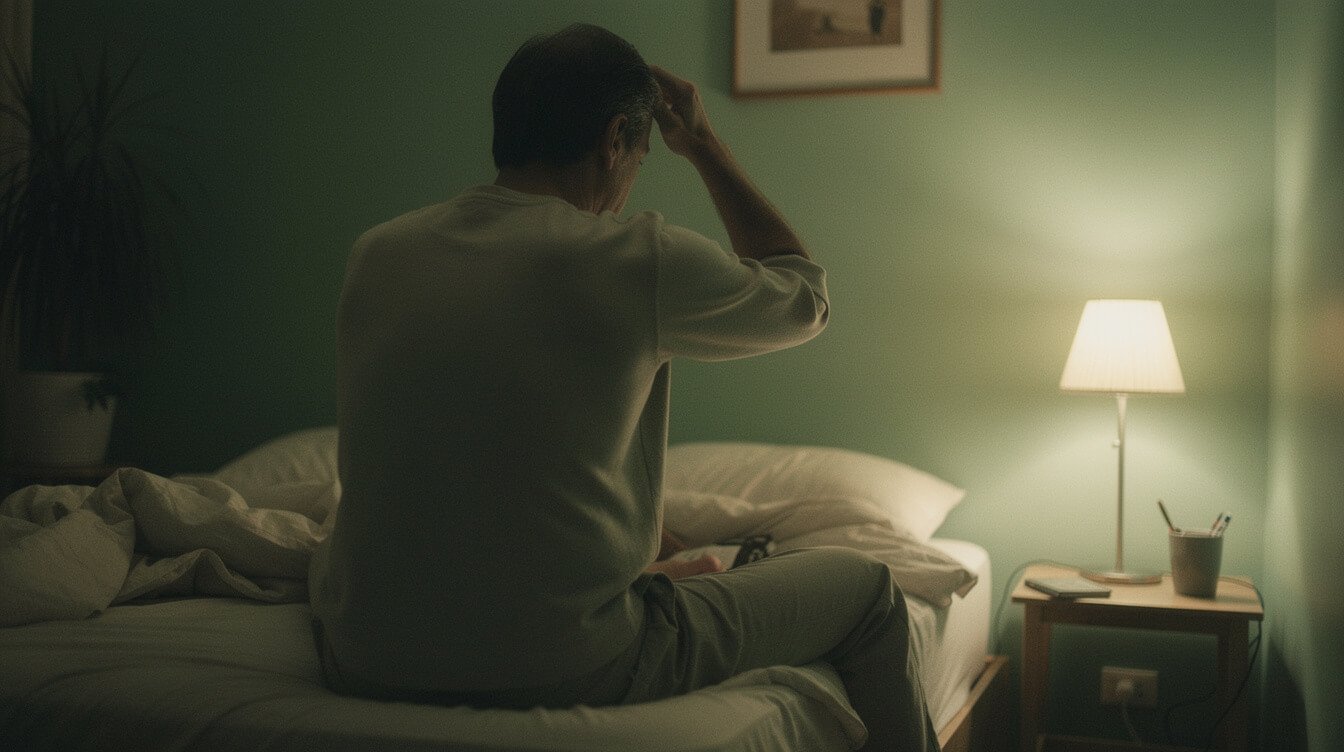
Greening out is slang for a bad reaction to too much THC, the main intoxicating compound in cannabis. The name comes from how people look when it hits: pale, clammy, a little green. It’s the normal effects of THC pushed past the point your body handles comfortably.
The key word is your. There’s no universal “too much.” Five milligrams of THC can flatten a first-timer and barely register for someone who uses daily. Tolerance, body size, food, sleep, and how the THC got into you all shift that line, which is why two friends can split the same gummy and have completely different nights.
It also helps to separate greening out from simply being very high. Very high is giggly, hungry, and mostly fine. Greening out is when the body joins in: nausea, spinning, a pounding heart, cold sweats, and often a jolt of panic. The CDC describes overdoing cannabis the same way: signs that look like the usual effects, only more severe, including extreme confusion, anxiety, paranoia, panic, a fast heart rate, raised blood pressure, and severe nausea or vomiting (CDC cannabis FAQ).
So if you’re asking what is greening out because you just felt your heart jump and the room tilt, you’re in the right place. Most of the time it’s a rough few hours, not an emergency.
Greening out symptoms: rough vs. red flag
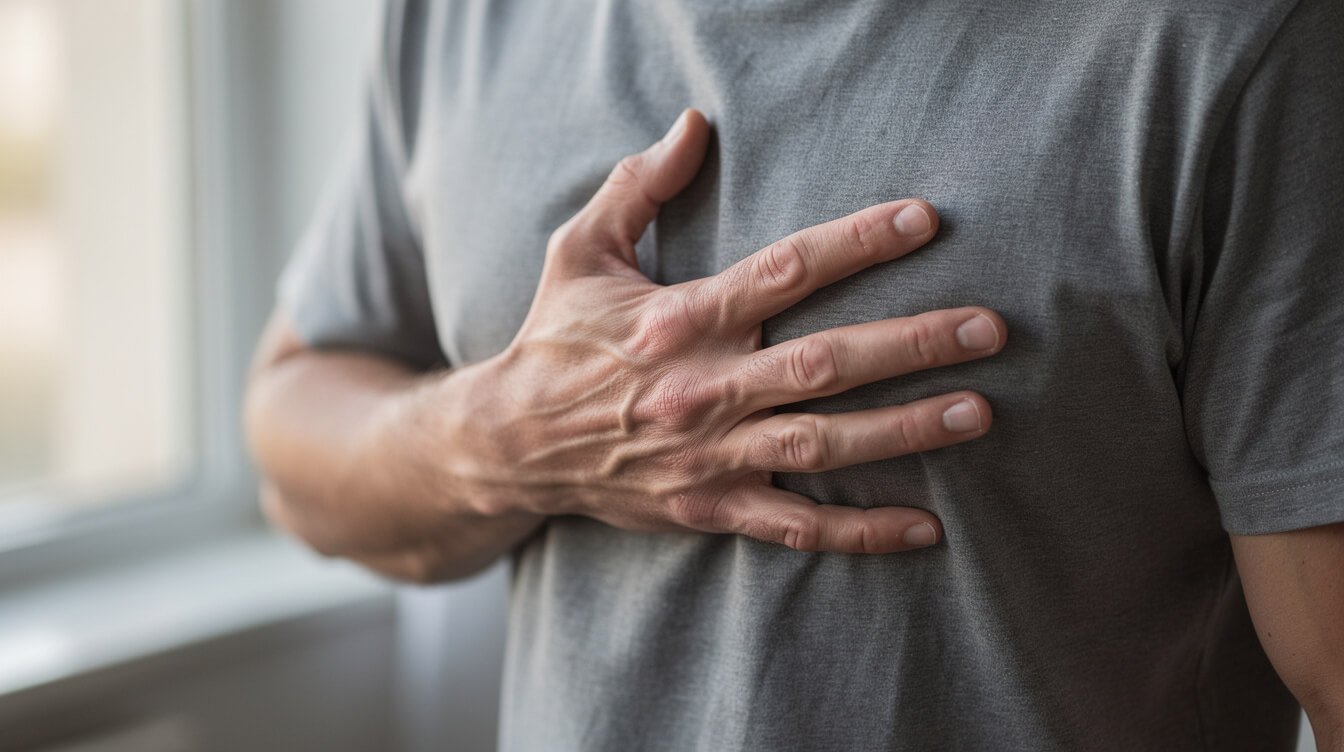
Greening out symptoms tend to arrive as a cluster rather than one at a time, which is part of why it feels so alarming. Your heart speeds up, you notice it, the noticing makes you anxious, and the anxiety makes your heart race harder. Knowing that loop exists makes it less scary.
Part of understanding what is greening out is knowing which symptoms are just miserable and which mean it’s time to stop sitting it out.
| Common (miserable, usually passes) | Red flags (get help now) |
|---|---|
| Nausea, maybe vomiting once or twice | Vomiting that won’t stop, or vomiting while very drowsy |
| Dizziness or the room spinning | Fainting, or not being able to stay awake |
| Racing or pounding heart | Chest pain or pressure |
| Pale, sweaty, cold, or shivery | Trouble breathing |
| Anxiety, paranoia, or a panic wave | A seizure, or confusion so severe the person doesn’t know where they are |
| Dry mouth, heavy limbs, slowed sense of time | Hallucinations, or a person who’s a danger to themselves |
| Wanting to lie down and not move | Alcohol, other drugs, or a child or pet involved |
The dizziness is often about standing up
THC can make blood pressure drop when you go from lying or sitting to standing. In a controlled study, both THC infusions and smoked cannabis produced dizziness on standing, and 28% of volunteers reported it as severe (Mathew et al., 2003). That’s why people who green out often feel okay on the couch and then nearly faint walking to the bathroom. Stand up slowly, in stages, and hold onto something.
The panic is real, even though the danger usually isn’t
Many people who green out are sure they’re dying or “never coming back.” That fear is one of the most consistent parts of the experience, and it says nothing about how serious things actually are. Meet it with calm and company, not alarm.
Repeated vomiting in a daily user is a different story
One episode of nausea after too much THC is a classic greenout. Cycles of severe vomiting in someone who uses cannabis heavily and often, especially someone who finds relief only in hot showers, points to something else: cannabinoid hyperemesis syndrome (CHS). A systematic review found that nearly all reported CHS cases involved at least weekly cannabis use (97.4%), and 92.3% involved compulsive hot bathing for relief (Sorensen et al., 2017). CHS isn’t something you sit out at home. If that pattern sounds familiar, see a doctor.
Why greening out happens (and why edibles cause so much of it)
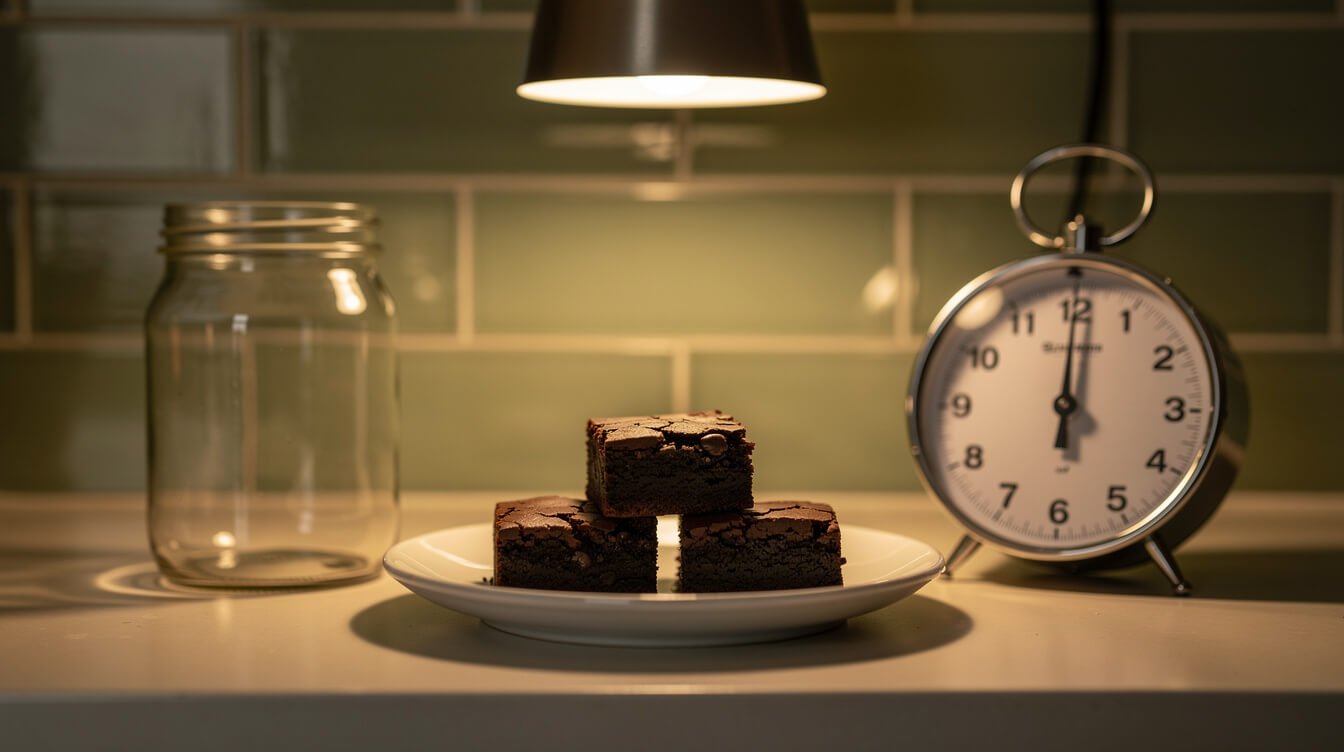
Greening out is a dose problem, so anything that makes the dose bigger than expected, or harder to judge, raises the odds.
Edibles and the redose trap
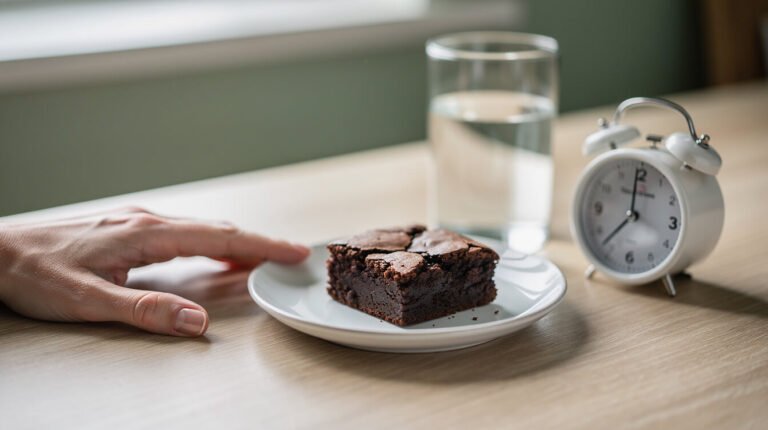
This is the big one. Eaten THC takes a while to hit. The CDC notes it can take up to two hours to feel the effects. People eat a gummy, feel nothing at 45 minutes, eat another, and then both land at once. We cover the full timeline in how long edibles last, but the short rule is to wait out the peak before even thinking about more.
The numbers show how lopsided the risk is. A study of a large Colorado emergency department found that edibles accounted for 10.7% of cannabis-attributable visits from 2014 to 2016, while making up only 0.32% of the THC sold in the state over that period. Edible visits were also more likely than smoking-related visits to involve acute psychiatric symptoms (18.0% vs. 10.9%), intoxication (48% vs. 28%), and cardiovascular symptoms (8.0% vs. 3.1%) (Monte et al., 2019). Edibles aren’t more toxic, just much easier to overdo.
High-potency concentrates and vapes
Dabs and carts deliver a lot of THC fast. A single big dab can carry more THC than a whole joint, which is why dabbing is a fast route to greening out for anyone without the tolerance for it. Vapes are easy to overdo because nothing shows how much you’ve had, so ten pulls go by before you notice. (More on what’s inside a cart in our penjamin explainer.)
Mixing with alcohol or other substances
Drinking and then smoking, often called crossfading, is a classic recipe for the spins. The CDC notes that combining cannabis with other substances can cause more impairment than cannabis alone. Stimulants like caffeine and nicotine raise your heart rate too, which feeds the racing-heart, rising-panic loop.
Low tolerance, an empty stomach, and a bad setting
A long break resets your tolerance, so a dose that used to feel normal can hit like a first time. Being tired, dehydrated, or unfed makes everything feel worse, and a loud party or a place where you feel you have to act sober is fuel for anxiety. Strain labels matter less than people think. Whether a strain is called “indica” or “sativa” is a weak predictor of how hard it will hit (here’s why the labels mislead). The milligrams of THC are what count.
How long does greening out last?

Anyone who looks up what is greening out mid-episode really wants to know when it ends. That depends mostly on how the THC got into you, and the timing has been measured in the lab.
Smoked or vaped: usually a few hours
In a Johns Hopkins trial, 17 adults who rarely used cannabis smoked or vaporized controlled doses of THC. Blood THC and heart rate peaked within about 30 minutes and returned to baseline within 3 to 4 hours. Some of the felt effects and measured impairment lasted up to about 6 hours on average. The same study found vaporized cannabis produced stronger effects than the same dose smoked (Spindle et al., 2018). In practice, the worst of an inhaled greenout often eases within an hour or two, and you’ll feel noticeably more normal within a few hours.
Edibles: longer, often most of a night
Eaten THC follows a slower curve. In a controlled study of THC brownies, effects peaked 1.5 to 3 hours after eating and lasted 6 to 8 hours (Vandrey et al., 2017). That means an edible greenout can keep building for an hour or more after it starts. Feeling worse at hour two doesn’t mean something has gone wrong. It’s the peak arriving on schedule. Higher doses and redoses stretch the whole curve out.
What about the next day?
Waking up groggy after a heavy night, especially after edibles, is common and usually clears with sleep, food, and water. Don’t drive until you’re fully clear. Impaired driving is illegal everywhere. If you’re worried about THC showing up on a test, that’s a different timeline entirely. See how long weed stays in your system.
One honest caveat: these are averages from small studies of healthy adults, so your night can run shorter or longer. Watch the trend. Slowly easing is on track. Getting dramatically worse, or any red flag, means stop waiting it out.
GanjaTech, weekly
Cannabis, explained. In your inbox.
One email a week: the clearest explainers, honest gear picks, and what the science actually says. 21+ only. No spam, unsubscribe anytime.
How to come down from greening out: what actually helps
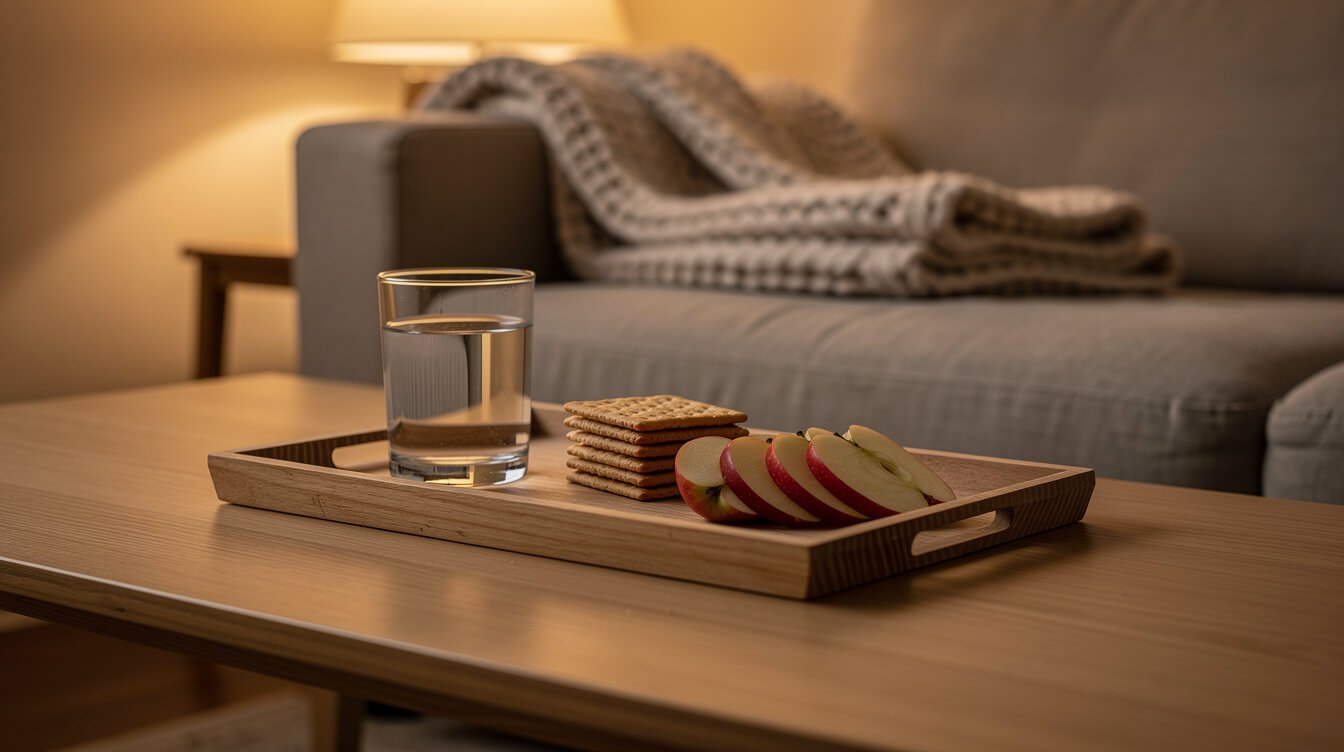
Nothing switches off THC once it’s in your system, and no trick sobers you up on demand. What you can do is make the next few hours safer and less miserable while your body clears it.
1. Sit or lie down, and stay there
Get somewhere you can’t fall. If you’re nauseated or drowsy, lie on your side rather than your back. When you need to move, sit up first, wait, then stand slowly. That’s the fix for the standing-up dizziness from the symptoms section.
2. Change the room
Lower the lights, kill the loud music, step away from the crowd. Put on a comfort show or a familiar playlist. A calmer setting doesn’t change your THC level, but it takes a lot of fuel away from the panic loop.
3. Sip water, and eat something small if you can
Dry mouth makes everything feel worse. Small sips of water help, and a few bland crackers or some fruit can settle a queasy stomach. Don’t chug, especially if you’re nauseated.
4. Breathe slower than your heart wants you to
Slow breathing is the most useful tool for the panic wave. Breathe in for a count of four and out for six, and keep going for a few minutes. Longer exhales are the point. It won’t lower the THC, but it gives your attention something to do besides monitor your pulse.
5. Have a sober person nearby
Someone calm who can sit with you, get water, and judge whether things are improving makes a huge difference. If you’re that friend, stay calm, keep them seated, and watch for the red flags.
6. Sleep it off, if it’s safe to
Sleep is one of the best ways through a greenout, because the clock keeps running while you’re out. It’s safe when the person is responsive, can be woken, and hasn’t been drinking or taking other drugs. If they’ve been vomiting, put them on their side (the recovery position), and have someone check on them.
7. Remind yourself it’s temporary
“This is too much THC, and it’s already wearing off” is true for most greenouts, and saying it out loud often takes the edge off the panic.
What doesn’t help: CBD, black pepper, cold showers, and coffee
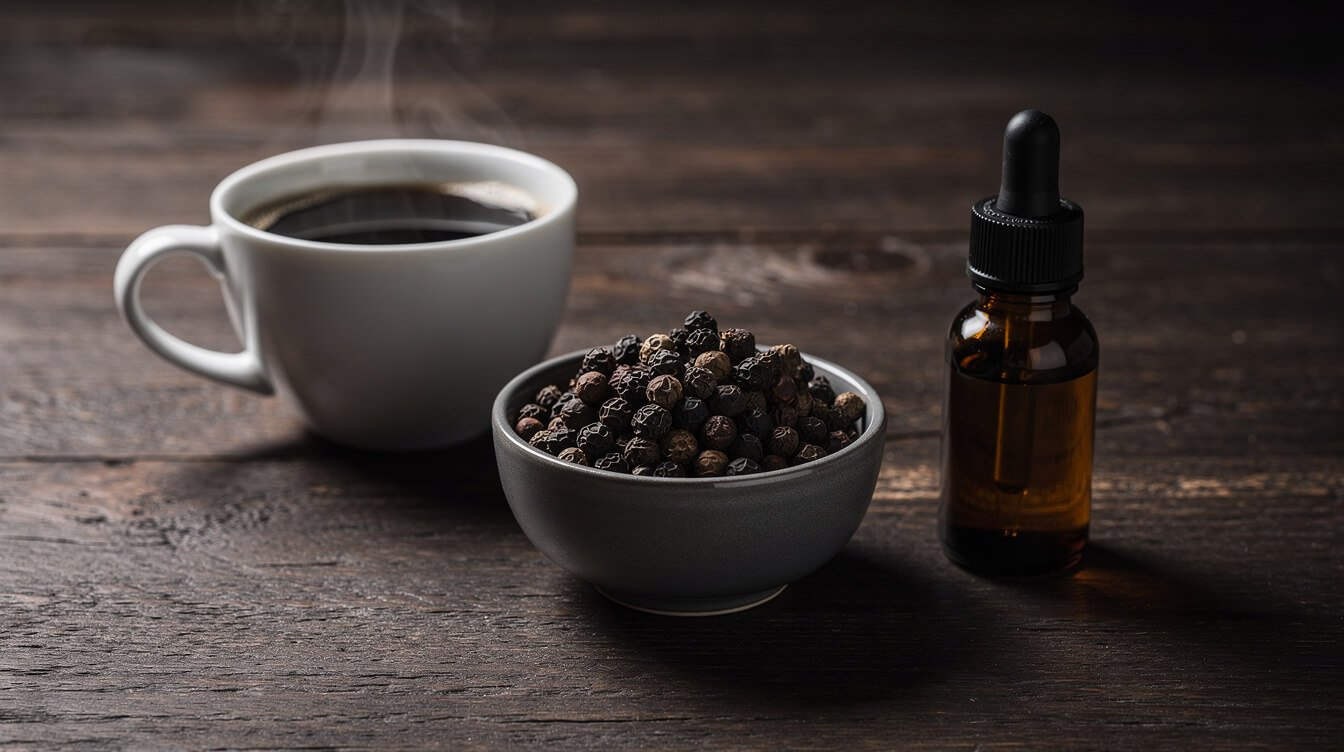
Search what is greening out and you’ll find the same handful of fixes repeated everywhere. Two have actually been tested, and the results go against the advice.
CBD to “cancel out” the THC
The theory sounds reasonable: CBD doesn’t get you high, so it should take the edge off. Two recent controlled trials suggest otherwise.
In a randomized trial of 46 infrequent cannabis users, people vaporized 10 mg of THC with 0, 10, 20, or 30 mg of CBD. CBD didn’t change THC’s effects on memory, psychotic-like symptoms, mood, or physical measures at any of those ratios. The authors concluded they found “no evidence that CBD protects against the acute adverse effects of cannabis” (Englund et al., 2023).
The oral result is more striking. In a Johns Hopkins trial with 18 healthy adults, a brownie with 20 mg of THC plus 640 mg of CBD produced higher blood levels of THC and its potent metabolite 11-OH-THC than the same THC dose alone. It also brought more anxiety, more sedation, a faster heart rate, and more impairment (Zamarripa et al., 2023). The likely explanation is that CBD slows the liver enzymes that break THC down. Two caveats are fair: that was a large CBD dose, and the study also gave a drug cocktail used to measure those liver enzymes. Even so, it’s the opposite of what the “CBD as an antidote” advice predicts.
The practical takeaway is that reaching for a CBD gummy mid-greenout, especially one that also contains THC, may make things worse. (For more on how the two compounds differ, see CBD vs THC effects and our breakdown of CBD vs THC gummies.)
Black pepper
Sniffing or chewing black peppercorns is a common tip, and the reasoning traces back to a real finding. Beta-caryophyllene, a compound in black pepper (and in cannabis), binds to the body’s CB2 cannabinoid receptor. But the same research notes that CB1, not CB2, is the receptor behind THC’s mind-altering effects (Gertsch et al., 2008). No controlled trial has tested pepper on greening out. Smelling it is harmless, but don’t count on it.
Cold showers
A cold shower puts a dizzy person on their feet, on a slippery floor, with a sudden temperature shock, which is a bad mix when THC already makes you lightheaded on standing. A cool washcloth on the neck or forehead gets you the refresh without the fall risk.
Coffee, energy drinks, or “a drink to take the edge off”
Caffeine is a stimulant. It raises the heart rate you’re already worried about and can make the anxiety worse. Alcohol is worse: it adds impairment and makes vomiting more likely. Stick to water.
When to get help (and who to call)

The CDC’s framing is the right one: a fatal overdose caused only by cannabis is unlikely, but cannabis is not harmless. Over-intoxication can lead to injuries like falls, crashes, and poisonings. Being unlikely to kill you is not the same as being safe, and some situations deserve a call rather than a wait.
Call 911 (or your local emergency number) if:
- There’s chest pain or pressure, or the heartbeat feels badly irregular
- Someone faints, has a seizure, or has trouble breathing
- They can’t be woken up, or can’t stay awake and respond
- Vomiting won’t stop, especially if the person is very drowsy
- Alcohol, prescription medications, or other drugs were taken too
- The person is confused about where they are, is hallucinating, or may hurt themselves
- Anything feels genuinely wrong to you. Trust that call.
Call Poison Control at 1-800-222-1222 if:
- A child or a pet got into edibles or any cannabis product. Call right away, even if they seem fine. Kids are smaller and can get much sicker from the same amount, and in an emergency, call 911 first.
- You’re not sure how serious it is and want expert advice. The line is free, confidential, and open 24/7 in the US (poison.org).
Tell paramedics or Poison Control exactly what was taken and how much. They’re there to help, not to judge. If you’re looking after a teenager who got into something, the same numbers apply. Make the call first and have the talk later.
And if a greenout has you wondering about your use more broadly, that’s a fair question. The SAMHSA National Helpline (1-800-662-4357) is free, confidential, and open 24/7 in English and Spanish (samhsa.gov).
What is greening out? Your other questions, answered

Can you die from greening out?
According to the CDC, a fatal overdose caused only by cannabis is unlikely. “Unlikely” isn’t the same as “impossible,” though, and the real risks are the things around it: falls, fainting, choking on vomit while very drowsy, driving, and mixing with alcohol or other drugs. That’s why the red-flag list matters. If you’re asking because someone seems seriously unwell, stop reading and call 911.
Is it good to sleep when greening out?
Usually, yes, as long as the person is responsive, can be woken, and hasn’t been drinking or using other drugs. Sleep lets the THC clear without you having to sit through it. Lie on your side if you feel sick, and make sure someone checks in.
What does greening out feel like?
Most people describe a sudden wave of nausea and dizziness, a pounding heart, cold sweats, and a spike of anxiety or dread. Time slows down, so it feels endless even though it’s measured in hours.
Is greening out the same as a panic attack?
They overlap, since panic is often part of a greenout, but they aren’t the same thing. A greenout has a clear cause (too much THC) and comes with physical symptoms like nausea and dizziness that ease as the THC wears off. If you get panic symptoms without cannabis, or they keep coming back, talk to a doctor.
How do you stop greening out fast?
Honestly, you can’t fast-forward it. The fastest way through is to sit or lie down, get to a calm space, sip water, breathe slowly, and sleep if it’s safe. Skip CBD, coffee, alcohol, and cold showers.
How do you avoid greening out next time?
Start low and go slow. With edibles, start at or below the label’s serving, wait at least two to three hours before deciding on more, and don’t stack doses. With concentrates and vapes, take one small hit and wait. Eat first, skip the alcohol, and use somewhere you feel comfortable, ideally with someone you trust.
The bottom line
So, what is greening out? It’s too much THC for your tolerance, showing up as nausea, dizziness, a racing heart, and a lot of fear. For most people it’s a few bad hours that fade on their own. Edibles cause an outsized share of it because they’re slow and easy to redose. The best responses are simple: lie down, keep it calm, sip water, breathe, have a sober friend nearby, and sleep if it’s safe. CBD and black pepper won’t rescue you, and cold showers and coffee can make things worse.
Know the red flags: chest pain, fainting, seizures, trouble breathing, someone who won’t wake up, or alcohol and other drugs in the mix. Call 911 for those, and Poison Control for any kid or pet that gets into an edible. Respect the plant and the dose, know your local laws, and next time, give the edible the time it needs.
Before you go
Get the next explainer first
We publish a new one every day. The best of the week, plus what's new in the shop, lands in one short email.