Weed and Alcohol: What Crossfading Really Does (and Why Order Isn’t a Safety Switch)
Here’s the straight answer on weed and alcohol: using them together makes you more impaired than either one alone, and the effect can kick in sooner and last longer than you expect. Drinking before you smoke or vape tends to push your blood THC higher. Smoking after you drink can delay the alcohol peak, so the booze hasn’t fully landed when you reach for the next one. The popular “order” rhymes don’t make any of that safe. They just describe which way the trouble comes from.
Most of page one for this topic is rehab centers and dispensary blogs, and both lean on the same handful of claims without showing where they came from. This guide reads the actual studies, including a new 2026 Johns Hopkins trial on edibles and drinks, and explains what they found, what they didn’t, and what that means on a real night out. It’s for adults 21+, and it’s education, not a mixing recipe. Laws on both substances vary by place, so know yours.
Weed and alcohol: the short answer
If you only read one section, make it this one. Here’s what the research on combining weed and alcohol supports, in plain terms:
- The impairment stacks. In driving studies, the combination is consistently worse than either substance alone. A 2022 meta-analysis of 57 studies found exactly that.
- Drinking first can raise your THC levels. In controlled studies where people drank and then smoked or vaped, their blood THC peaked higher than without alcohol.
- Weed after drinking can slow the alcohol curve. One older study found smoking after drinking lowered and delayed the alcohol peak. That sounds like a perk until you realize it can hide how drunk you’re about to be.
- Edibles plus drinks is its own problem. A 2026 trial found that alcohol didn’t change blood THC from an edible eaten earlier, but the impairment was still bigger and lasted longer than either one alone.
- Order isn’t a safety switch. “Grass before glass” and its cousins are folklore. Every order carries risk.
The lowest-risk choice is pretty simple: pick one for the night. If you do combine them, keep both doses small, go slowly, stay hydrated, and don’t drive. The rest of this guide explains why.
What crossfading means (and the “grass before glass” rhyme)
Crossfading is slang for being drunk and high at the same time. The word comes from DJ culture, where one track fades out while the next fades in, and it’s a decent picture of what’s happening: two different drugs overlapping in your system, each one changing how the other feels. If you search the term, you’ll get plenty of audio-mixing tutorials too. Same word, very different hobby.
Using weed and alcohol in the same session is common, which is why the folk rhymes exist:
- “Grass before glass, you’re in for a blast. Glass before grass, you’re on your ass.” The idea is that drinking first hits harder.
- “Beer before grass, you’ll be on your ass,” plus a dozen regional variations on the same theme.
The rhymes aren’t totally made up. As you’ll see in the next section, drinking first really can push THC levels higher. But the rhymes imply that the other order is the “safe” one, and the data doesn’t support that. Weed first still stacks impairment, and it can make you lose track of how much you’ve had to drink. A rhyme that makes you feel safe is worse than no rhyme at all.
Crossfading isn’t the same as getting the spins from one substance, either. Weed alone can do that at a high enough dose (we cover it in what greening out is). Alcohol alone obviously can too. The combination just gets you there faster and on less of each.
What alcohol does to your THC levels
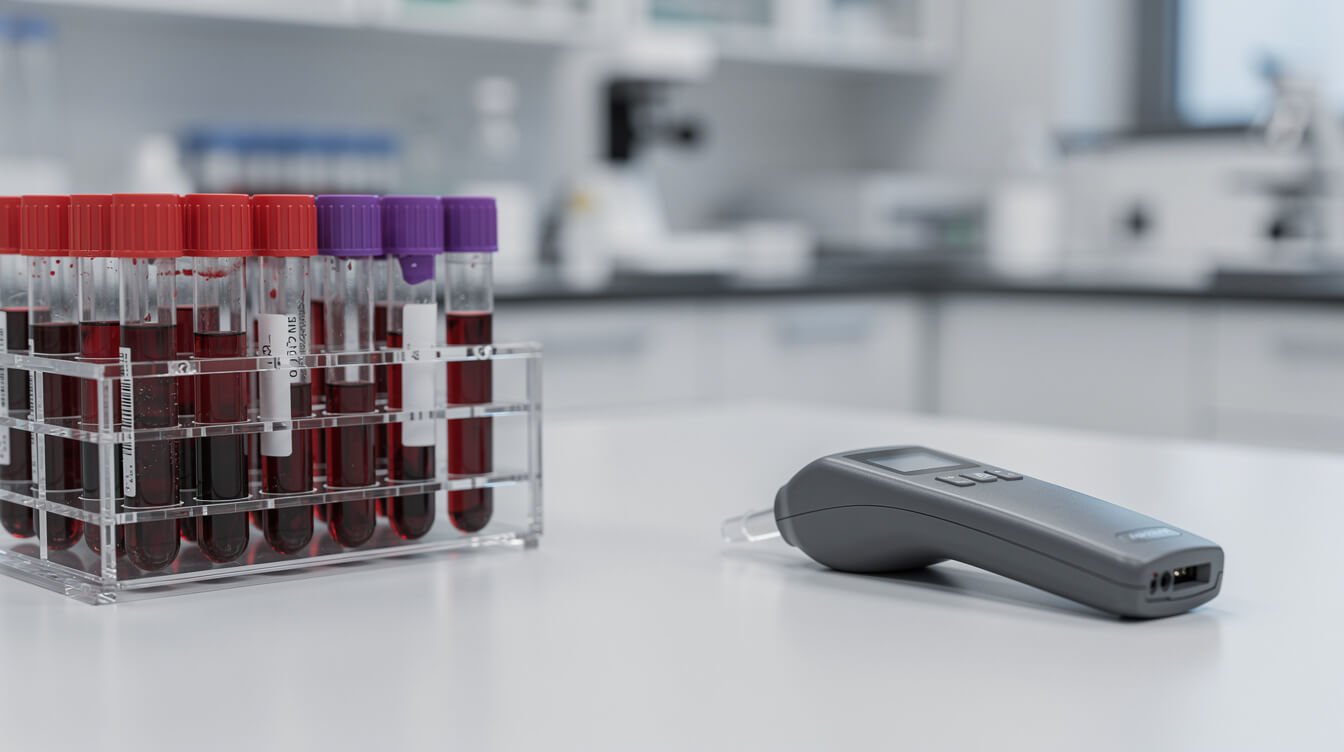
This is the study behind most “drinking first makes the high stronger” claims, though almost nobody who repeats the claim cites it.
The 2015 vaporizer study
Researchers ran a controlled study with occasional cannabis users, part of the same University of Iowa driving-simulator project covered in the driving section below (Hartman et al., 2015, Clinical Chemistry). Participants drank either a placebo or a low dose of alcohol, aimed at a peak breath alcohol of about 0.065%, which is below the usual 0.08% driving limit. Ten minutes later they vaped 500 mg of cannabis containing either no THC, a low dose (2.9%), or a higher dose (6.7%). Thirty-two people enrolled and 19 completed every session.
Here are the median peak blood THC levels:
| Condition | Without alcohol | With low-dose alcohol |
|---|---|---|
| Low-dose THC (2.9%) | 32.7 µg/L | 35.3 µg/L |
| Higher-dose THC (6.7%) | 42.2 µg/L | 67.5 µg/L |
With a modest drink first, the higher-dose THC peak rose by roughly 60%. The level of 11-OH-THC, an active THC metabolite, also rose. The authors wrote that the higher levels “possibly explain” why combining the two impairs performance more. Notice how cautious that wording is. They measured blood levels; they didn’t prove why the levels rose.
An older study pointed the same way
A 2001 study of male volunteers who drank and then smoked (Lukas and Orozco, Drug and Alcohol Dependence) found the same pattern. With alcohol on board, people noticed the cannabis effects sooner, reported more euphoria, and had higher plasma THC levels than with a placebo drink. The authors suggested alcohol may increase THC absorption.
What doesn’t hold up
Some dispensary blogs say alcohol “dilates your blood vessels so you absorb more THC,” or that “your liver processes alcohol before THC.” Neither study tested those mechanisms, and we couldn’t find a source that did. The honest version is that alcohol first, then inhaled cannabis, has been measured to produce higher THC levels, and the reason isn’t settled.
One more caveat: both studies used occasional users and weed that’s mild by today’s standards. With a stronger cart or a dab, you’re starting from a higher baseline before alcohol adds anything. That’s one reason a blinker after a few drinks is a reliable way to end up on the bathroom floor.
What weed does to your alcohol levels, and why order isn’t a safety rule
The interaction runs the other way too, and this is the part the rhymes leave out.
The 1992 study: a lower, later alcohol peak
In a small study, 15 adult men drank a fairly strong dose of alcohol (0.7 g per kg of body weight, roughly four standard drinks for a 180-pound person) and smoked a placebo, low-THC, or higher-THC joint 30 minutes later (Lukas et al., 1992, Neuropsychopharmacology). With the placebo joint, plasma alcohol peaked at about 78 mg/dL, 50 minutes after drinking started. With the higher-THC joint, it peaked at only about 55 mg/dL, and not until 105 minutes.
That can look like weed “protecting” you from alcohol. Here’s why it doesn’t work that way:
- A delayed peak means delayed feedback. If the alcohol isn’t hitting when you expect, it’s easy to have another drink. Then everything you drank lands later, on top of the high.
- It’s one small, old study. Fifteen men, joints at 1.26% and 2.53% THC (a fraction of modern flower), one drinking pattern. Nobody has shown it holds for today’s products.
- Lower blood alcohol doesn’t mean lower impairment. The next two sections cover studies that measured impairment directly, and the combination wins every time.
Both “order” studies were drink-first
Here’s the detail every “should you drink or smoke first?” article skips. The 2015 and 2001 studies (THC levels went up) and the 1992 study (alcohol levels went down and later) all had people drink first and then use cannabis. Nobody in those trials smoked first and then drank. So the rhymes about “grass before glass” aren’t really built on data about that order.
The closest thing we have is the 2026 Hopkins trial, where people ate a THC brownie and drank 45 minutes later. In that order, alcohol didn’t change blood THC levels at all, and impairment was still worse than either substance alone. The authors noted that the earlier studies dosed alcohol first, and said future research should test different orders on purpose.
So here’s the most honest summary we can give you:
- Drink, then smoke or vape: THC can come on stronger, and the alcohol peak can shift later.
- Edible, then drink: blood levels didn’t change in the one trial, but you’re still more impaired, for longer.
- Either way: more impaired than either substance alone. Order changes the shape of the night, not whether the combination is risky.
GanjaTech, weekly
Cannabis, explained. In your inbox.
One email a week: the clearest explainers, honest gear picks, and what the science actually says. 21+ only. No spam, unsubscribe anytime.
Spins, greening out, and the vomiting question
The most common way crossfading goes wrong isn’t dramatic. It’s the spins: the room tilts, your stomach turns, and you have to lie down right now. Drinking first and then smoking is a classic setup for it, partly because of the THC bump covered above.
What it feels like when it goes sideways
- Spinning or tilting, worse with your eyes closed
- Nausea, sweating, going pale
- A racing heart and a wave of anxiety or paranoia
- Dizziness or near-fainting when you stand up
Manitoba’s government cannabis site lists the same pattern: more nausea and vomiting, plus more panic, anxiety, and paranoia when the two are combined. If the weed side is driving it, our greening out guide covers what actually helps (sit or lie down, sip water, calm space, sober person nearby) and what doesn’t.
The “you can’t throw up the alcohol” concern
You’ll see rehab sites claim that weed stops you from vomiting, so your body can’t get rid of excess alcohol. Here’s what’s actually known. THC does have anti-nausea activity. A prescription synthetic THC called dronabinol carries an FDA label for chemotherapy-related nausea and vomiting. That same label warns of “additive central nervous system depression” when it’s used with alcohol. Cannabis isn’t a pure depressant (it also speeds up your heart), but its sedating side is real, as we explain in is weed a stimulant or depressant?
But nobody has directly studied whether cannabis stops people from vomiting up alcohol after a night of drinking. So treat it as a plausible concern, not a proven fact. And don’t count on vomiting to save you in the first place. Also worth knowing: heavy, long-term cannabis use can do the opposite and cause repeated vomiting episodes, a syndrome we touch on in the greening-out guide.
When it’s an emergency
Call 911 if someone:
- Can’t be woken up, or can’t stay awake and respond
- Is vomiting while very drowsy or barely conscious
- Has slow or irregular breathing, a seizure, chest pain, or bluish or very pale skin
- Is confused, hallucinating, or may hurt themselves
While you wait, keep a drowsy person on their side so they can’t choke, and stay with them. Alcohol is the part of this combination that can actually kill you, so don’t let the “you can’t overdose on weed” line make you relaxed about someone who’s been drinking too. For a kid or pet who got into an edible, call Poison Control at 1-800-222-1222.
Driving after weed and alcohol: why the combo is worse than either
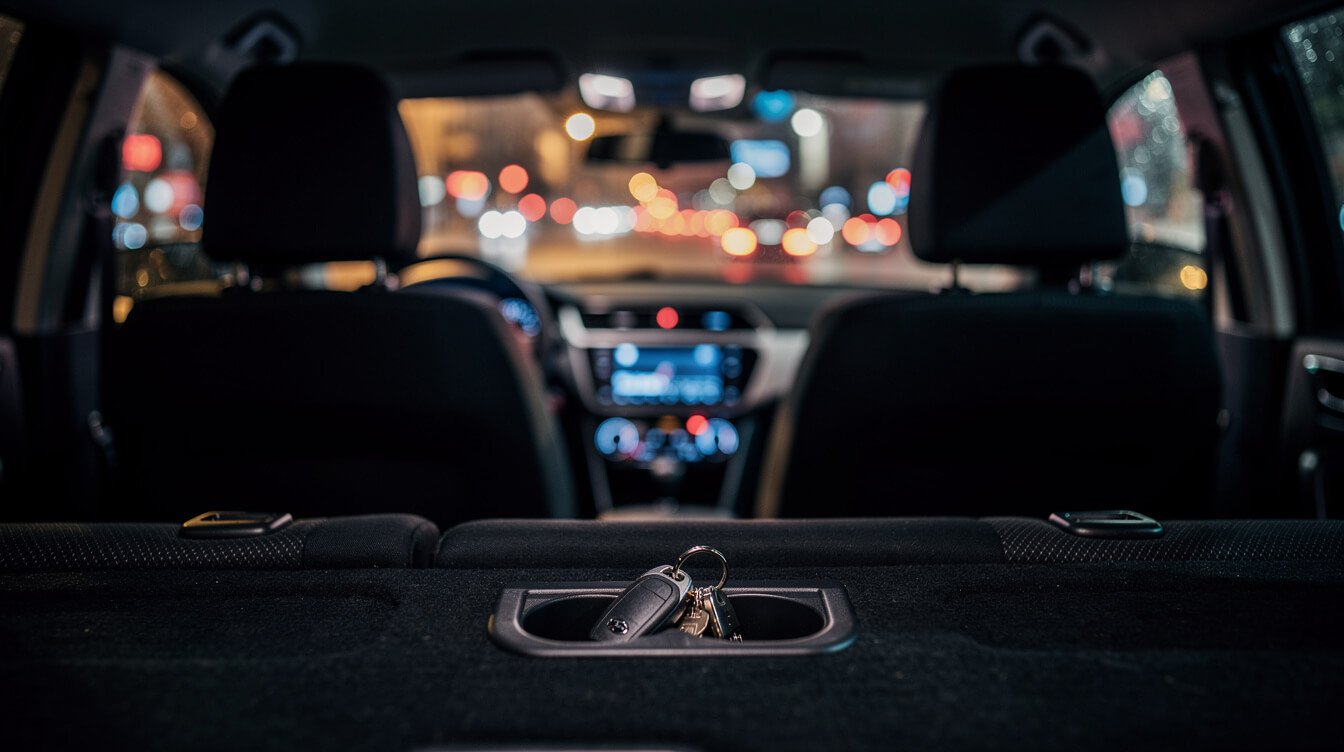
This is where the data on weed and alcohol is clearest, and it all points the same way.
The meta-analysis
A 2022 systematic review pooled 57 experimental driving studies with 1,725 participants (Simmons et al., Addiction). Cannabis alone impaired lane control. Alcohol alone did too. The combination was worse than either, with more weaving and more time out of the lane than with alcohol alone or cannabis alone.
The lane-weave study
In the Iowa simulator study (Hartman et al., 2015, Drug and Alcohol Dependence; 18 completers aged 21–37), 5 µg/L of blood THC plus a 0.05% breath alcohol produced about the same lane weave as 0.08% alcohol alone. In plain terms: a little of each added up to legally drunk.
The 2026 edibles trial
Johns Hopkins researchers ran the first controlled trial of edibles plus alcohol (Zamarripa et al., 2026, JAMA Network Open). Twenty-five healthy adults aged 21–55, all light cannabis users who’d combined the two before, completed seven sessions. Each session they ate a brownie with 0, 10, or 25 mg of THC. Forty-five minutes later they drank to a target breath alcohol of 0%, 0.05%, or 0.08%. They were tested for up to 7.5 hours.
- 10 mg of THC plus 0.05% alcohol impaired driving about as much as 0.08% alcohol alone.
- 25 mg of THC plus 0.05% alcohol was significantly worse than 0.08% alcohol alone.
- The combined high started earlier than cannabis alone and lasted longer than alcohol alone.
- Standard roadside sobriety tests flagged only the 0.08% alcohol condition. They missed cannabis, alone or with 0.05% alcohol, even when the simulator showed clear impairment.
For scale, the lead investigator has described 0.05% as about two to three beers for most people (Johns Hopkins). The paper calls the combined impairment additive. The press release quotes the lead author going further and suggesting it may be synergistic. Either way, the answer for drivers is the same.
Don’t trust how you feel, or a number
A 25 mg brownie that clearly impaired driving produced an average peak blood THC of just 3.21 ng/mL, lower than some legal limits. Blood THC is a poor gauge of how high someone is (more on that in how long weed stays in your system). There’s no breathalyzer number or waiting rule that makes driving after both safe. If you’ve combined them, you’re done driving for the night. Get a ride, take a cab, or stay over. Impaired driving is illegal everywhere, whatever caused it.
Is weed safer than alcohol? The short, honest version
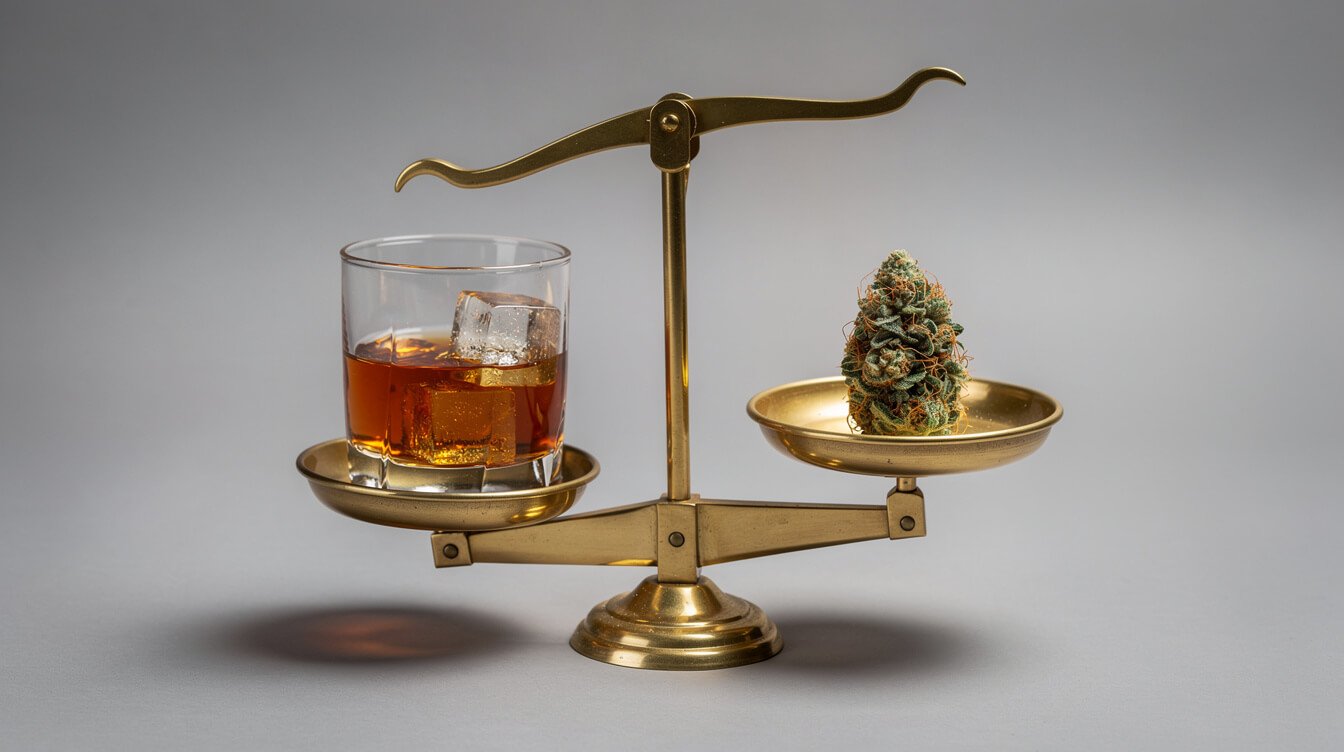
A lot of people searching weed and alcohol really want to know which one is riskier. Here’s a fair answer without the culture-war spin.
The risk profiles are different. According to the CDC, excessive drinking causes about 178,000 deaths a year in the US. That includes deaths from years of heavy drinking and from too much in one sitting, such as alcohol poisoning. Cannabis doesn’t have a comparable lethal-overdose profile. That’s a real difference, and it’s why so many people are swapping drinks for weed.
“Different” doesn’t mean “harmless.” The CDC also estimates that about 3 in 10 people who use cannabis have cannabis use disorder. Weed impairs driving. And modern potency makes overdoing it easier, as anyone who’s greened out on a strong edible can tell you. (If THC has stopped doing much for you, a tolerance break works better than adding a drink.)
The combination is the riskiest option of all. Whatever you think about weed versus alcohol on its own, the studies above all show that using both is worse than either one by itself. If you’re cutting back on drinking by using cannabis instead, the key word is instead.
For personal health questions, especially if you take medications, are pregnant, or have heart, liver, or mental health conditions, ask a doctor. We explain the plant here; we don’t give medical advice.
Weed and alcohol FAQ
Is it bad to mix weed and alcohol?
It’s riskier than using either one alone. Mixing weed and alcohol stacks impairment, makes the spins and vomiting more likely, and makes driving much more dangerous. Many people do it without a disaster, but the margin for error gets smaller. The lowest-risk choice is to pick one for the night.
Does alcohol make edibles hit harder?
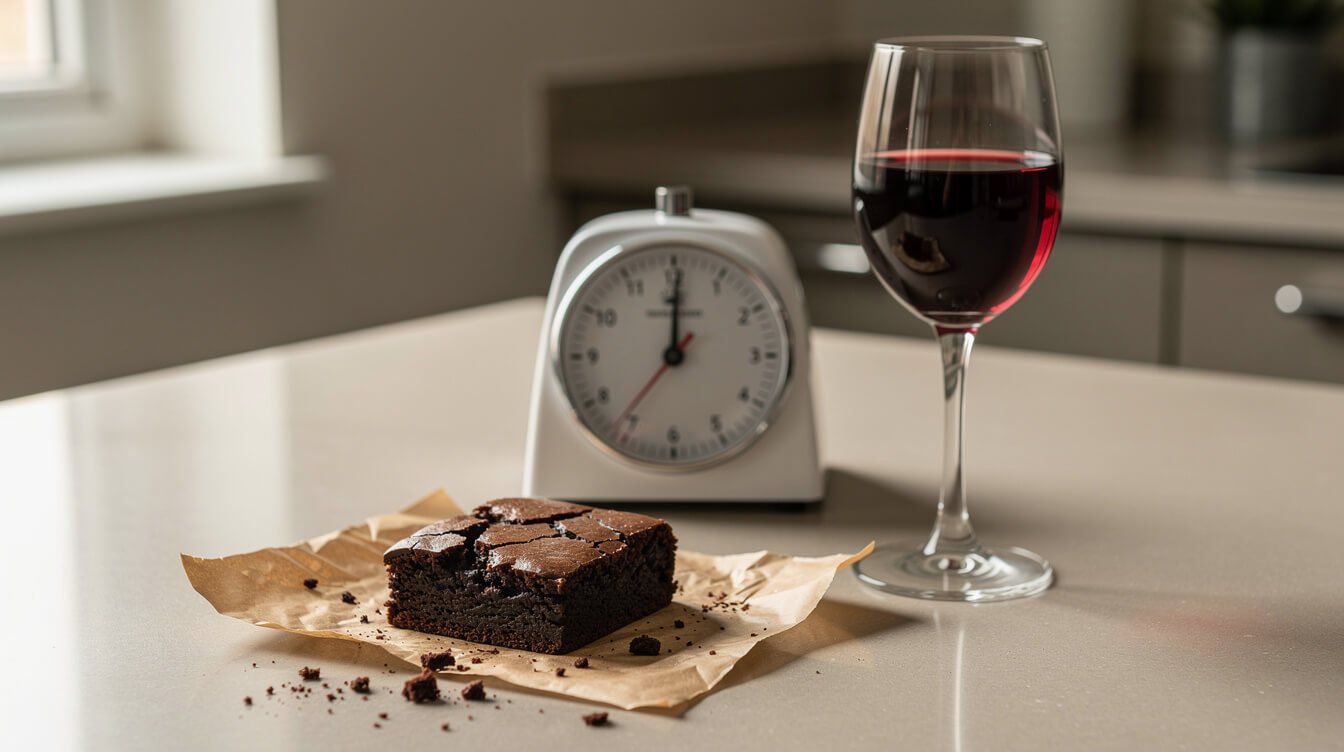
In terms of how impaired you are, yes. In terms of blood THC, not in the one trial that tested it. In the 2026 Hopkins study, people who ate a brownie and drank 45 minutes later had the same blood THC as without alcohol, but they were more impaired, felt the effects sooner, and stayed impaired longer. Nobody has tested the reverse order (drinking first, then an edible). The bigger practical risk is timing. Edibles take roughly 1.5 to 3 hours to peak (see how long edibles last), so it’s easy to drink through the wait and have both peak at once. If you’re making your own, a properly dosed brownie makes it easier to know what you took.
Should you smoke after drinking?
That’s the “glass before grass” order, and it’s the one studies tie to higher THC levels. If you’ve been drinking, a single small hit hits harder than the same hit sober. If you do it anyway, take one small hit and wait 10–15 minutes before deciding on more.
How long should you wait between drinking and smoking?
No study has found a safe gap. The 1992 study showed weed can delay the alcohol peak by close to an hour, so a gap doesn’t guarantee your drinks have “finished.” The only gap that clearly works is a full night’s sleep.
Does weed sober you up from alcohol?
No. Even in the study where weed lowered the measured alcohol peak, people weren’t less impaired, and driving studies show the combination is more impairing. Lower blood alcohol on paper doesn’t mean you’re sober.
Does CBD help if I’m too drunk and too high?
Don’t count on it. In a controlled study, adding CBD to an oral THC dose actually raised THC levels and anxiety. Our CBD vs THC guide covers the details. Water, a calm space, and time are what work.
Is it legal to drink and use weed at the same time?
Cannabis laws vary widely by state and country, and many places ban public consumption of either. Driving impaired by either one is illegal everywhere. Know your local laws.
Final thoughts
Weed and alcohol together make for a stronger, longer, harder-to-predict night than either one alone. That’s what the research shows, whichever order you take them in. Drinking first can push THC higher. Smoking after drinking can delay the alcohol peak and hide how much you’ve had. With edibles, the combined impairment is bigger even when blood levels don’t change. The rhymes about order describe the shape of the risk, not a way around it.
If you’re going to use cannabis, the simplest move is to make it the only thing you’re using that night. If you do combine them, keep both doses small, go slowly, eat, drink water, stay with people you trust, and plan your ride home before the first drink. If someone can’t stay awake or is vomiting while drowsy, call 911. If you’re worried about your own use of either substance, SAMHSA’s free, confidential helpline is 1-800-662-4357.
Respect both, know your laws, and when in doubt, pick one.
Before you go
Get the next explainer first
We publish a new one every day. The best of the week, plus what's new in the shop, lands in one short email.