Live Resin vs Rosin: The Honest Difference (and Why the Names Confuse Everyone)
Live resin vs rosin comes down to a single question: did a solvent touch it? Live resin is pulled out of fresh-frozen cannabis using a hydrocarbon solvent like butane or propane. Rosin is squeezed out of cannabis with nothing but heat and pressure. That is the honest headline, and if that is all you came for, you are done.
Here is what makes this topic a mess. Almost every page ranking for this question does not actually answer it. They compare live resin to live rosin — a different, more expensive product than plain rosin — and quietly swap one for the other halfway down the page. We checked the current top results: not one of them uses the phrase “cured flower” or “flower rosin” anywhere. The product the question is literally asking about never gets defined.
So we are going to do it properly. Two variables generate all five confusing names. Then the part nobody writes: how to actually check the “solventless is cleaner” claim instead of taking a storefront’s word for it, and why the price gap is mostly labor and arithmetic rather than magic.
Live resin vs rosin: the short answer
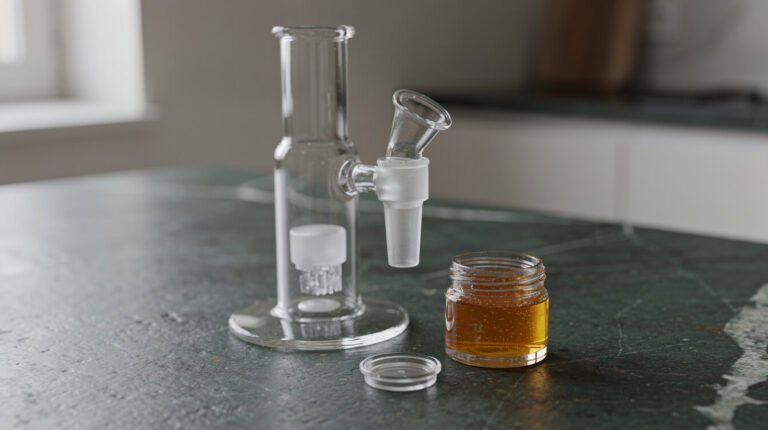
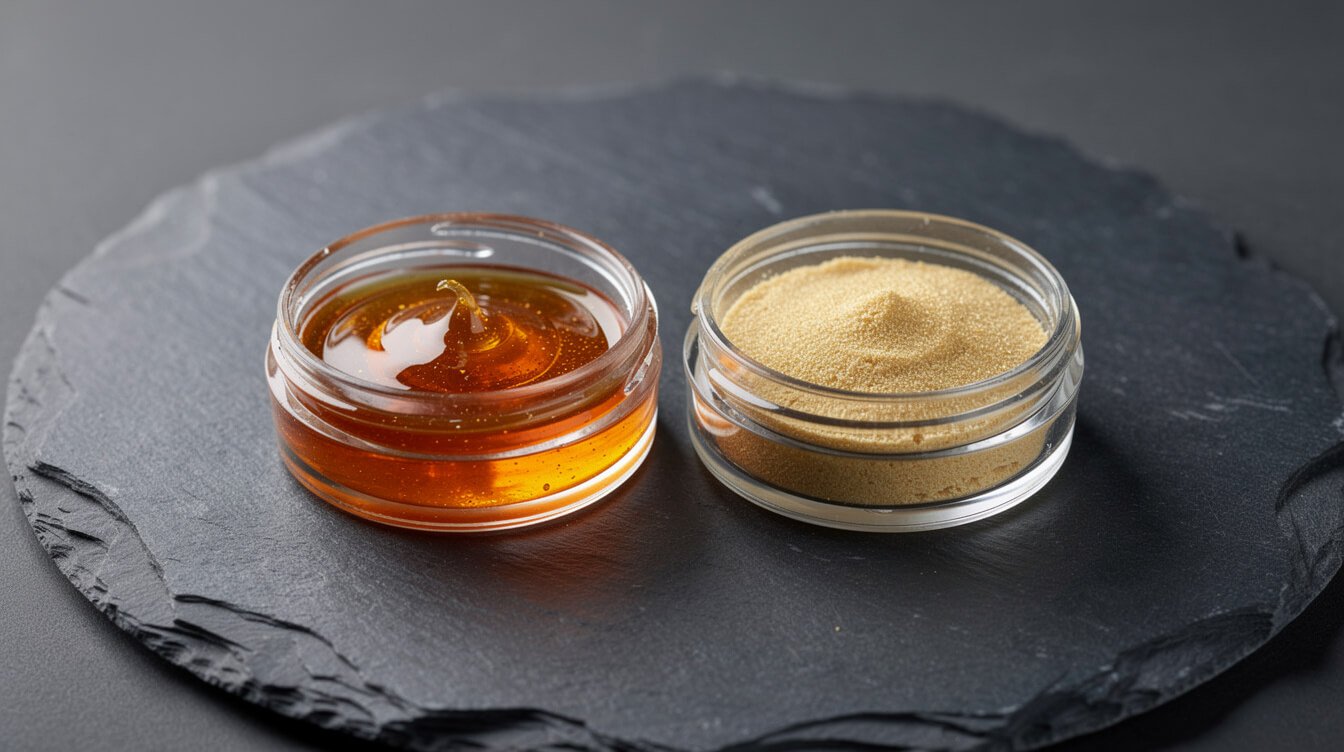
Live resin is a solvent extract. Fresh cannabis is frozen immediately at harvest, then washed with liquefied butane or propane in a closed-loop system. The solvent dissolves the cannabinoids and terpenes, carries them out of the plant, and is then purged off with heat and vacuum. What is left is a glossy, aromatic concentrate — sauce, badder, diamonds, whatever texture the extractor steered it toward.
Rosin is a mechanical extract. Cannabis goes into a filter bag between two heated plates, the plates close, and the oil is physically forced out of the plant through the mesh. No solvent, no purge, no closed-loop equipment. Just heat, pressure, and a filter. We go deeper on each in what is live resin and what is rosin; this page is about the comparison.
Two things follow from that, and they are the only two that matter at the counter:
- Unqualified “rosin” means pressed from dried, cured flower. Not fresh-frozen. Cheaper, more of it, less aromatic.
- Unqualified “live resin” means fresh-frozen plus solvent. The “live” refers to the starting material, not the extraction.
Which means the common framing of live resin vs rosin as “fresh versus cured” is wrong, and so is “solvent versus solventless.” It is both axes at once, and that is exactly why the names multiply.
Why there are five names, and the two variables behind all of them
Resin, rosin, live resin, live rosin, hash rosin. Five names, and every competing page asks you to memorize them as a glossary. You do not have to. There are only two variables, and the names fall out of the grid:
Variable one: what you started with. Dried and cured flower, or fresh-frozen plant material that never went through drying or curing at all.
Variable two: how you separated the oil from the plant. A chemical solvent, or mechanical heat and pressure.
Cross them and you get four cells:
- Cured + solvent = plain resin extracts. Shatter, wax, budder, crumble — the old hydrocarbon standards.
- Fresh-frozen + solvent = live resin.
- Cured + heat and pressure = rosin. Specifically flower rosin, and this is the cell the question is about.
- Fresh-frozen + heat and pressure = live rosin. With one large asterisk we will get to in a moment, because you cannot actually do this in one step.
Hash rosin is the fifth name and it sits on a third axis: not what you grew, but what you fed the press. Press flower, you get flower rosin. Press ice-water hash, you get hash rosin. Press ice-water hash that was washed from fresh-frozen material, and the market calls it live rosin.
Run the live resin vs rosin question through that grid and the confusion dissolves. They differ on both axes — fresh-frozen versus cured, and solvent versus pressed — which is why “one is made with solvents” never felt like a complete answer. It is only half of it.
That is the whole system. Every name on a menu is one of those cells. Once you can place a label in the grid, you know roughly what it cost to make and roughly how it will taste, without anyone explaining it to you.
How live resin is actually made
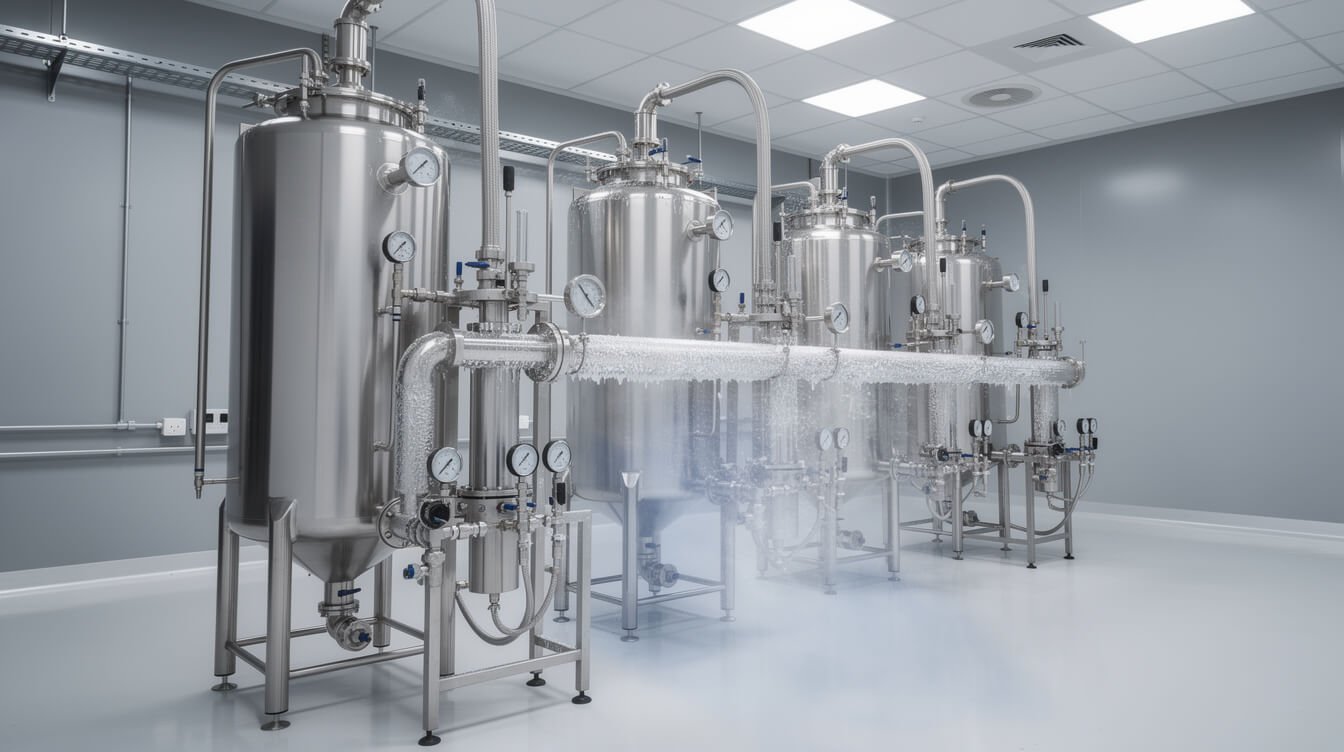
Plants are cut and go into a deep freezer immediately — around −20°F or colder. That freeze is the entire point of “live,” and it is worth being precise about why, because a currently-ranking page gets this backwards. It claims freezing is what makes live resin “exceptionally potent.”
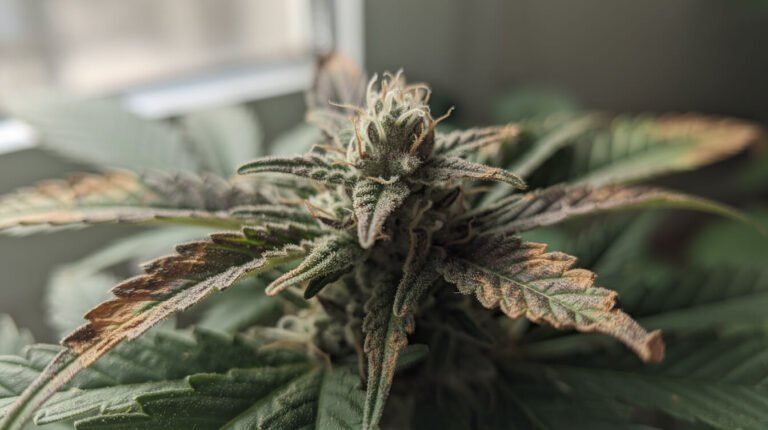
It does not. Freezing does not add cannabinoids and does not raise THC content. What it saves is the volatiles — the light monoterpenes that evaporate during a normal dry and cure. Those compounds are most of what you smell in a living plant, and most of what is missing from a cured one. Live resin tastes dramatically more like the fresh plant because the terpenes survived, not because anything got stronger. If you want the map of which compounds those are, our list of terpenes and effects covers the ones you can actually smell.
From there the frozen material is loaded into a closed-loop column and washed with liquefied butane, propane, or a blend. The solvent dissolves the oil, drains off, and then gets removed in a vacuum oven — the purge. Purging is the step that decides whether the finished product is clean, and it is the step a residual-solvent test is checking.
It is worth being clear about what the word “live” does and does not certify, because it is doing a lot of work on a lot of labels. It tells you the material was frozen rather than dried. It tells you nothing about the quality of the plant, the skill of the extractor, or how long the jar has been sitting on a shelf since. Terpenes keep leaving after extraction too, which is why storage is not a trivial detail for either product.
Two honest notes. First, this is industrial equipment in a ventilated facility, and hydrocarbon extraction is genuinely dangerous without it. This is not a home project, and we are not going to pretend otherwise or write you a procedure. Second, “live resin” on a vape cart is a looser claim than “live resin” in a jar — some carts contain live resin blended into distillate, which is a different product with a different terpene story.
How rosin is actually made, and what you pressed
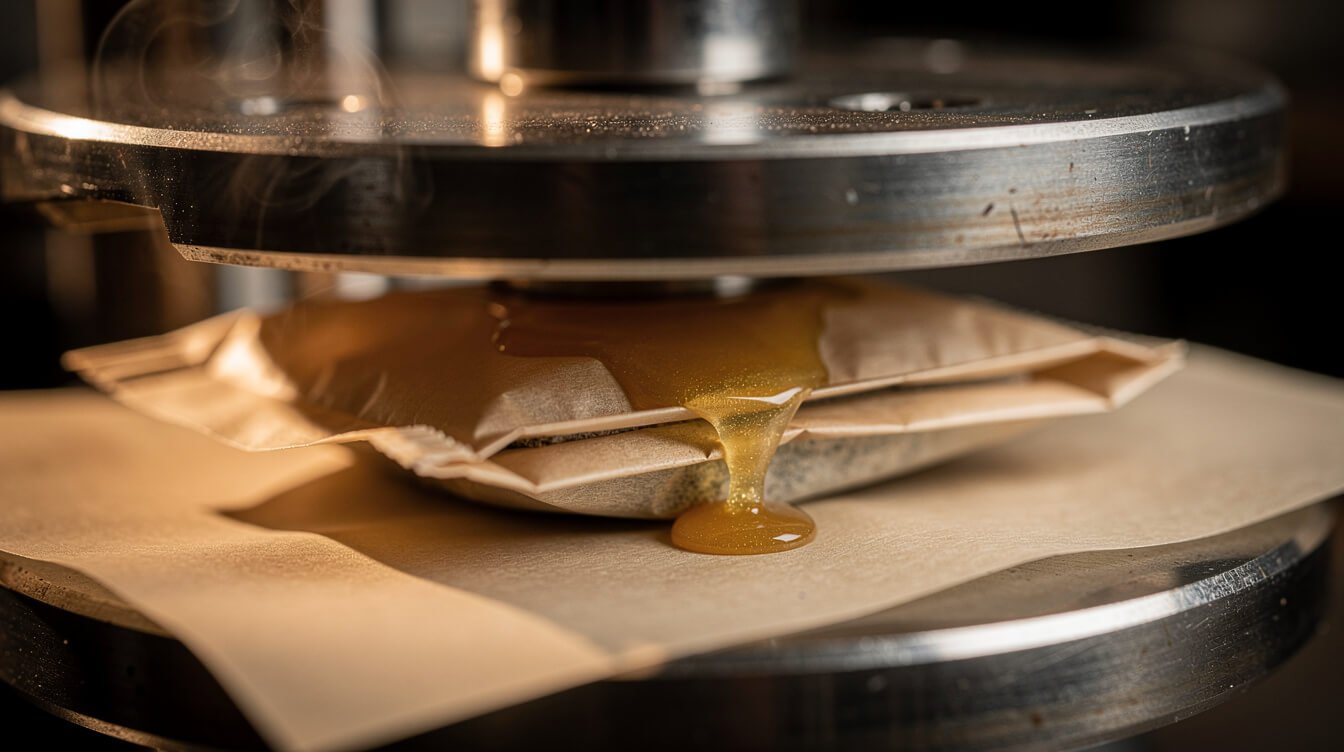
Rosin is almost comically simple by comparison. Material goes into a micron filter bag, the bag goes between parchment sheets, the sheets go between heated plates, and the plates close. Oil flows out through the mesh. That is it.
The working ranges people actually press in, rather than one magic setting:
- Flower rosin: roughly 180–220°F, one to three minutes, in a 25–37 micron bag.
- Hash rosin: cooler and faster, roughly 140–200°F for 45–90 seconds, in a looser 36–72 micron bag.
Anyone who hands you a single exact temperature for all material is guessing. The trade-off is consistent, though, and it is the same one we walk through in decarb temperature and time for edibles: cooler and slower buys you lighter color and better aroma at the cost of yield. Hotter and faster buys yield at the cost of both. Commercial flower rosin that looks dark and tastes flat was almost certainly pressed hot on purpose, because yield is what pays for the room.
Moisture matters more than beginners expect. Flower that is bone-dry crumbles and gives up less oil; flower that is too wet presses out rosin carrying water with it. Material held near the usual storage range presses better, which is one of the quieter arguments for humidity packs. And what you press matters more than how you press it — tired flower that has been sitting in a jar for a year will make tired rosin, for the same reasons we lay out in does weed go bad.
Unlike live resin, this part genuinely is doable at home, and plenty of growers press their own trim and smalls after trimming. Just know going in that at small scale it is a control move, not a savings move, once you have paid for a press, bags, and parchment.
GanjaTech, weekly
Cannabis, explained. In your inbox.
One email a week: the clearest explainers, honest gear picks, and what the science actually says. 21+ only. No spam, unsubscribe anytime.
Live rosin is not pressed fresh flower
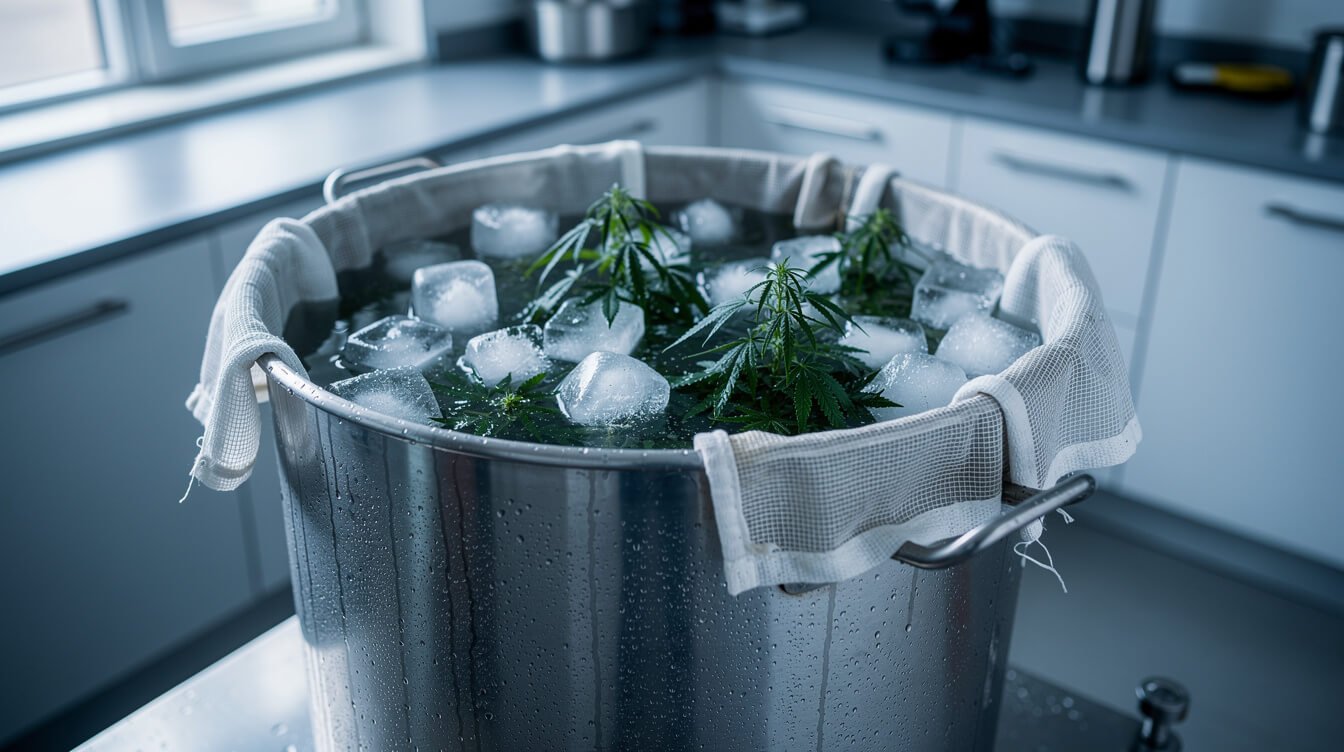
This is the correction that matters most, because a page ranking on page one right now states the opposite. It says live rosin “is made directly from fresh buds.” You cannot press fresh-frozen flower into live rosin. The material is mostly water, and water in a press gives you a wet, low-yield mess rather than a concentrate.
The real route has four stages before the press ever closes:
- Fresh-freeze the plant at harvest, around −20°F or colder.
- Ice-water wash. Agitate the frozen material in ice and filtered water so the brittle trichome heads snap off, then collect them through nested mesh bags starting around 25 microns. That is ice-water hash.
- Freeze-dry the hash. Wet hash has to lose its water without losing its terpenes, and air-drying costs you aroma and invites microbial growth. A freeze dryer is the standard answer.
- Press the dried hash — cool and brief, per the ranges above.
Notice what that means for the live resin vs rosin comparison. Flower rosin is one step. Live rosin is a wash, a freeze-dry, and a press, each with its own equipment and its own losses. The technical guides say this plainly — making live rosin “takes more time and equipment than standard rosin pressing” — but the storefronts comparing the two never mention the freeze dryer at all. It is the single most expensive object in the chain, and leaving it out is how the price gap ends up sounding like mystique instead of arithmetic.
“Solventless is cleaner” — how to actually check

Every page on this topic asserts that solventless is cleaner. Almost none of them tells you how to confirm it, and one currently-ranking page actively discourages the question — if it is on a dispensary shelf, it says, “you’ve got nothing to worry about.” That is a reasonable baseline and a terrible habit. The information exists. Read it.
Start with two words that look identical and are not:
- Solventless is a claim about process: no solvent was ever used. Rosin is solventless by definition.
- Solvent-free is a claim about a test result: a solvent was used, and the finished product came back with none detected.
Both can be true and honest. They are not the same sentence, and a product that says “solvent-free” is telling you it is a solvent extract that passed.
What to actually look at:
- Find the certificate of analysis. Regulated markets require third-party lab testing, and the COA is usually a QR code on the package or a lookup on the producer’s site. If a product has no retrievable COA, that is your answer.
- Read the residual-solvent panel. It lists each solvent in parts per million against a limit set by the jurisdiction. The limits are action levels, not zero — “pass” means below threshold, not absent. A good hydrocarbon extract typically reads far under.
- For solventless, read the other panels instead. There is no solvent to find, so the residual-solvent panel is trivially clean and proves nothing. The meaningful ones are microbials, mycotoxins, pesticides, and heavy metals — and those apply to both categories equally. Ice water does not remove a pesticide that was sprayed on the living plant.
Two things a COA will not do for you. It will not tell you how the product has been handled since the test, and the test is of a batch rather than of your specific jar. And it will not make the live resin vs rosin choice for you — a clean panel on a solvent extract and an absent panel on a solventless one are both normal, and reading them as a ranking is the mistake.
Which gives the honest version of the claim: solventless removes one specific risk, and a tested solvent extract has usually managed that same risk to a documented threshold. Neither process fixes bad input, and “solventless” is not a synonym for “clean.”
Flavor, potency, and price: what the difference is worth
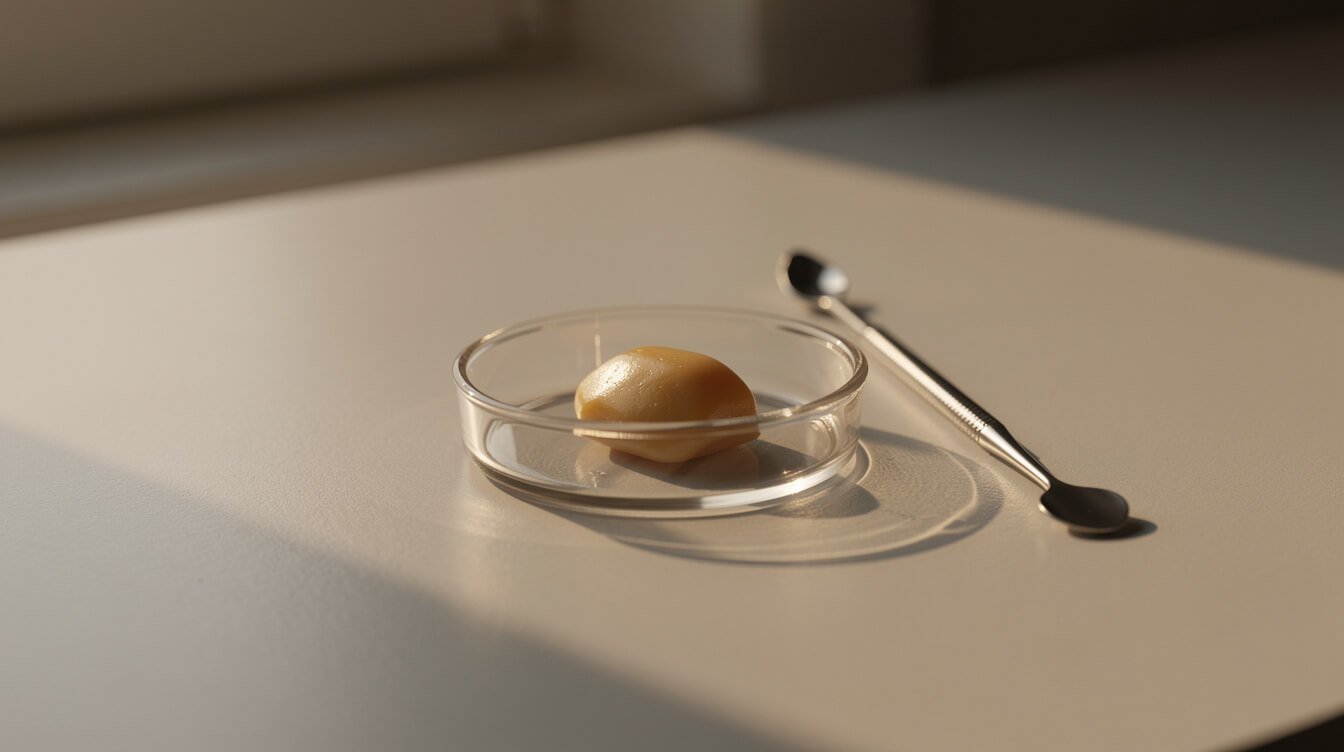
On potency, the labels are closer than the marketing suggests, and live rosin often tests slightly lower in THC than live resin while being described as the stronger experience. We will not oversell that. The honest framing is that a number on a label is a poor predictor of how something lands, which is the same conclusion we reached in what is stronger, sativa or indica. Reported differences in character are real as reports, and that is as far as the evidence goes.
On flavor, the fresh-frozen products win, and that is mechanical rather than mysterious. They kept the volatiles a cure would have cost them. Between live resin and live rosin, descriptions diverge in ways that come down to preference rather than quality.
On price, live rosin commonly retails for roughly twice live resin. Here is where that goes, and it is all arithmetic:
- Stages. One press versus a freeze, a wash, a freeze-dry, and a press.
- Capital. A freeze dryer and a wash setup on top of a press.
- Yield, which is the part that surprises people. Flower rosin returns on the order of 10–20 percent of the flower’s weight. Hash rosin presses at an impressive 60–80 percent — but of the hash, and washing flower into hash typically returns only single-digit to low-teens percentages first. Run the chain end to end from the same flower and hash rosin yields less total oil than flower rosin would have.
So you are not buying more. You are paying for cleanliness, aroma, and labor, and losing quantity to get them. That is a perfectly good trade, as long as nobody tells you it is an upgrade in every direction.
Format changes the maths, too. In a jar you are paying for the extract. In a vape cart you are also paying for hardware, and the words on the box get looser — “live resin cart” can mean anything from genuine live resin to a little of it blended into distillate for flavor. If you want to compare live resin vs rosin fairly, compare jar to jar.
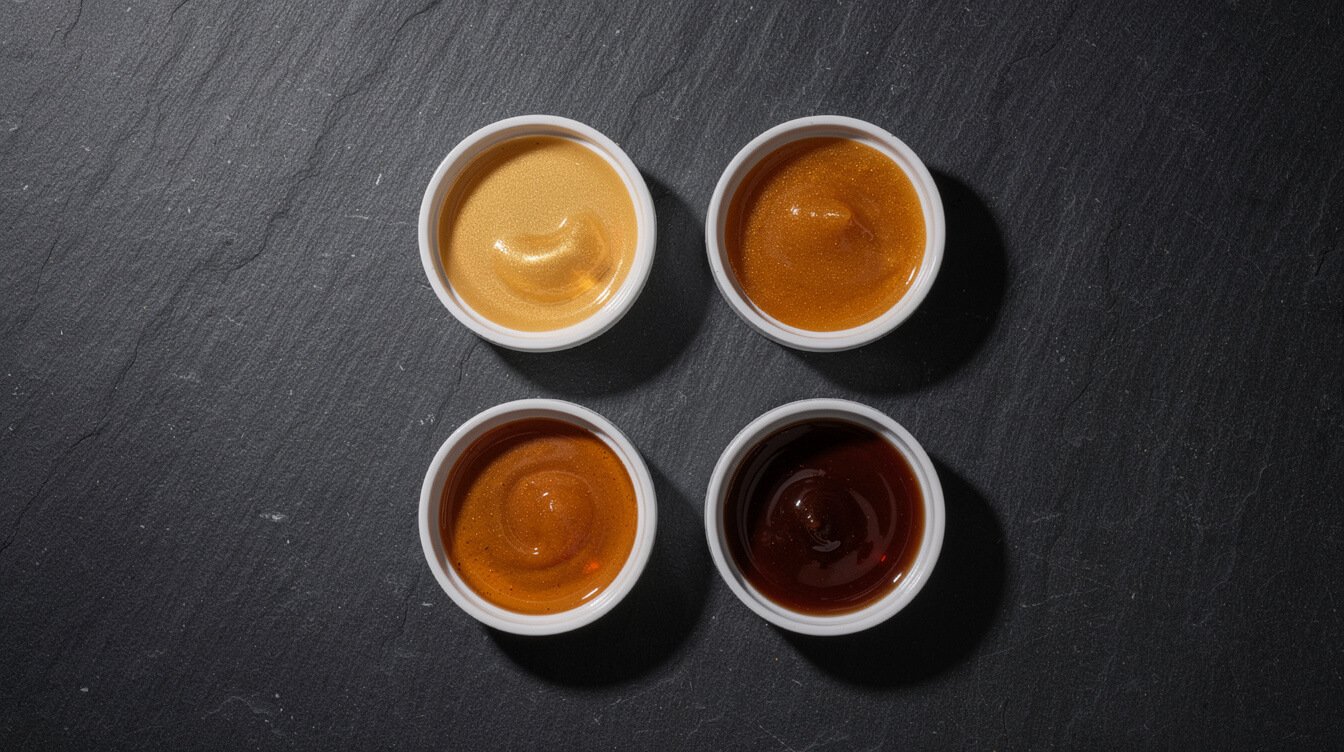
One more practical note: you largely cannot tell these apart by looking. Consistency names overlap — badder, jam, sugar, sauce — and color and texture are processing decisions, not category markers. Pale and whipped does not mean solventless. The label and the COA are the evidence; the jar is not.
Live resin vs rosin: the questions people still ask
Is rosin the same thing as live rosin?
No, and this is the single most common mix-up on the topic. Rosin, unqualified, is pressed from dried and cured flower. Live rosin is pressed from ice-water hash that was washed from fresh-frozen material. Different input, different process length, roughly double the price.
Is live resin or rosin stronger?
Lab numbers land close, and live resin often tests a little higher than solventless products while plenty of people report the solventless version feeling more pronounced. Both are concentrates, which means both are a much larger single dose than flower. Start low and go slow regardless of which one you have.
Which tastes better, live resin or rosin?
Fresh-frozen products taste more like the living plant, so live resin beats plain flower rosin on aroma most of the time. Against live rosin it is a genuine toss-up and comes down to preference.
Can you make rosin at home?
Flower rosin, yes — a press, bags, and parchment is the whole kit. Live rosin, realistically no, because the freeze-dry stage is the barrier. Live resin, no: hydrocarbon extraction needs a closed-loop system and a ventilated facility, and improvising it is dangerous.
Why is live rosin so expensive?
Four stages instead of one, a freeze dryer, and a yield chain that gives back less total oil than a single flower press would. Labor and arithmetic, not scarcity.
Is “solventless” the same as “solvent-free”?
No. Solventless means no solvent was used. Solvent-free means one was used and none was detected afterward. Both can be honest; only one of them is a process claim.
Which one makes sense for you, and when neither does
Strip out the marketing and the live resin vs rosin decision is short.
Want the most aroma for the money? Live resin. It is the best value in the fresh-frozen category, it is widely available, and in a regulated market it comes with a panel you can read.
Want nothing but heat and pressure between you and the plant, and willing to pay for it? Live rosin. You will pay roughly double and you are paying for process and aroma, not for a bigger number.
Just want to try a concentrate without the premium? Plain flower rosin. It is the most overlooked product in this whole conversation precisely because nobody writing about live resin vs rosin bothers to define it. It is solventless, it is inexpensive, it is honest about what it is, and if you grow, you can press your own.
And the case for neither: concentrates are a categorically larger single dose than flower, and if your experience so far is a joint or a bowl, there is no rush to jump. A good jar of cured flower is not a lesser product, it is a different one — and if you are growing, a careful cure gets you more than any extraction will.
Last thing, and it is not a footnote: cannabis laws differ enormously by state and country, and concentrates specifically are treated more harshly than flower in a lot of places — sometimes as a separate offense class with separate limits. Nothing here assumes it is legal where you are, and checking that is on you. This is education for adults 21 and over, reported effects are reported effects rather than medical claims, and anything health-related belongs with a doctor rather than a blog.
Before you go
Get the next explainer first
We publish a new one every day. The best of the week, plus what's new in the shop, lands in one short email.