Best Weed Grinder in 2026: What Actually Matters (Not Just What’s Popular)
The best weed grinder isn’t the one with the flashiest coupon code — it’s the one that gives you a consistent grind without eating half your trichomes on the way there. Most “best grinder” roundups are just affiliate landing pages: five products, five discount codes, zero explanation of what a grinder is actually supposed to do to your flower. We’re skipping the coupon codes and starting with the mechanics, then translating that into honest picks by what you’re actually trying to do — smoke, vape, travel, or stockpile kief.
No brand deals here. Just what matters, why it matters, and how to spot a good one without needing five years of grinder-collecting experience first.
What actually matters when you’re picking the best weed grinder
A grinder has one job: break flower into small, even pieces without crushing it into powder or leaving half of it in fat, uncombusted chunks. That sounds simple. It isn’t, because “small and even” is doing a lot of work in that sentence.
When you break up a bud by hand, you get a mix of sizes — some fine, some chunky. Uneven pieces burn or vaporize unevenly: the fine bits combust fast and hot, the chunky bits barely get going before the bowl’s cashed. A grinder’s teeth are cut to shear the flower into a narrower size range, so more of it hits the same temperature at close to the same time. That’s the entire value proposition. Everything else — piece count, material, price — is in service of that one job.
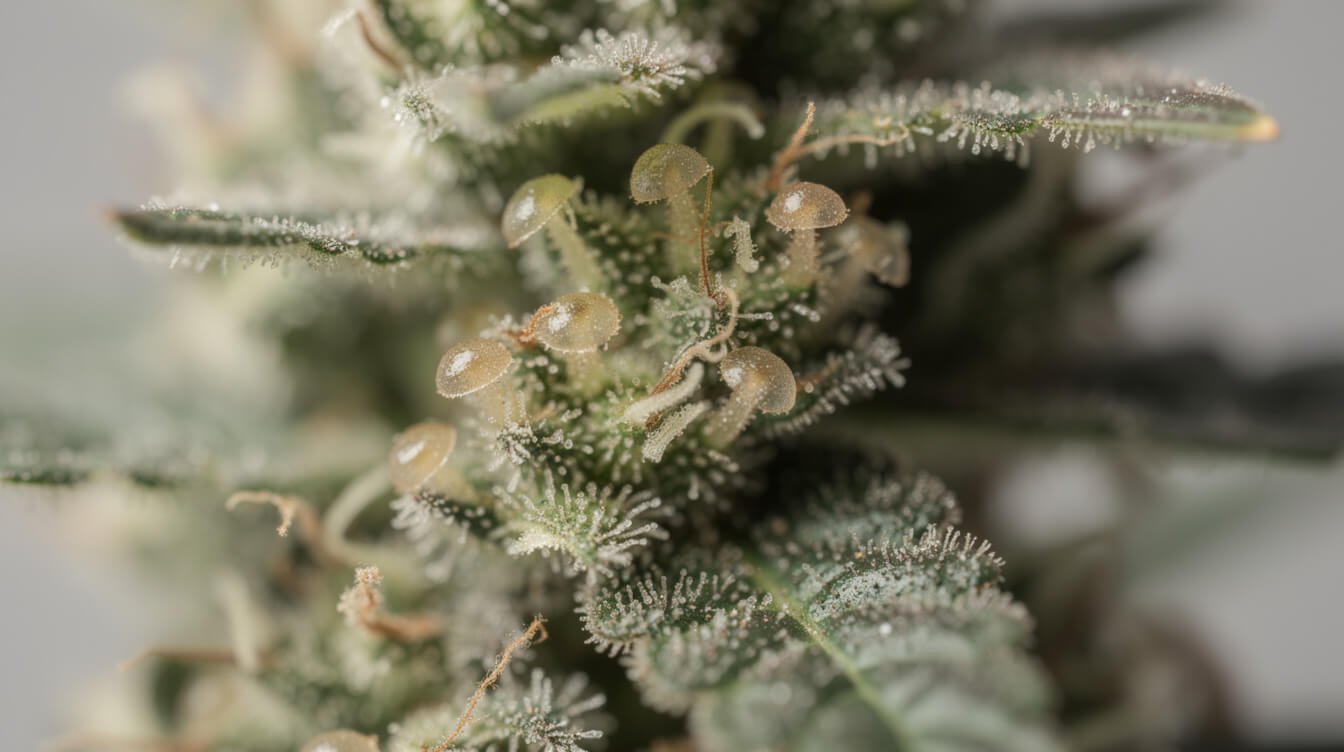
There’s a second, quieter job too: preserving trichomes. Trichomes are the frosty, sticky crystal structures on the flower’s surface where most of the cannabinoids and terpenes actually live. Grind too aggressively, too many times, or with dull teeth, and you knock trichomes off the flower before you ever get to use them — they either fall as waste or, in a 4-piece grinder, collect as kief (more on that below). A grinder that handles flower gently while still cutting it evenly is doing something genuinely harder than it looks.
Tooth shape plays a bigger role in that balance than most buying guides mention. Diamond-cut teeth — small, sharp, pyramid-shaped points — shear flower cleanly with a light twist, which means less repeated grinding and less trichome loss. Shark-tooth or razor-style teeth (longer, angled blades) cut more aggressively and can require more torque, which tends to tear rather than shear at the margins. If a listing shows a close-up of the teeth, diamond-cut is generally the safer bet for flower specifically, even though shark-tooth designs work fine for tougher material like whole spices.
Grind consistency and why it changes your smoke or vape experience
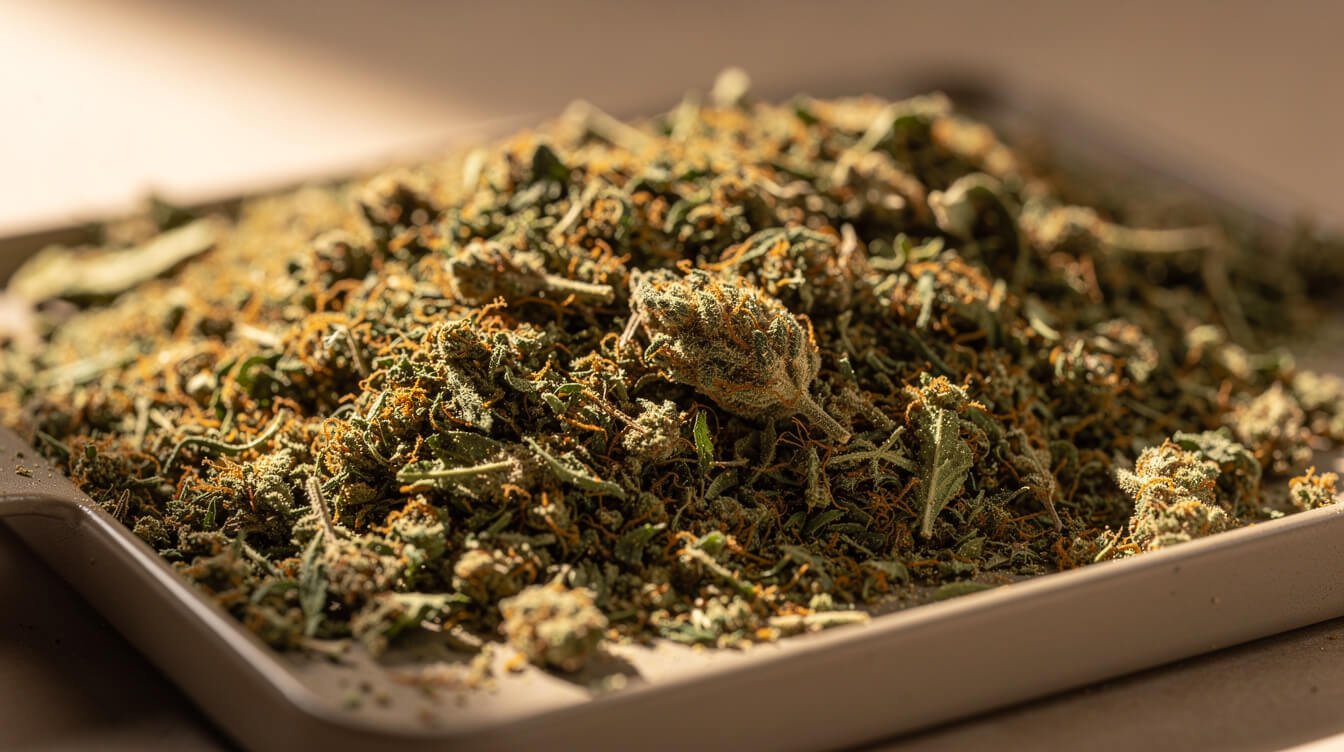
Grind consistency isn’t a marketing word — it has a direct, physical effect on how your session goes.
For smoking (joints, bowls, bongs), an even grind means more of the surface area of your flower is exposed and burning at a similar rate. That translates to a smoother, more even burn — fewer harsh hot spots, less canoeing in a joint, less “why did that hit taste like ash” halfway through a bowl.
For vaporizing, consistency matters even more. Dry-herb vaporizers work by convection or conduction heating, and they’re far less forgiving of uneven particle size than a flame is. Chunky pieces won’t fully vaporize before the session ends, which means you’re leaving cannabinoids on the table — literally, in the chamber, unused. A fine, even grind is close to mandatory for getting a vaporizer’s actual rated efficiency.
The flip side is real too: grinding too fine turns flower into a powder that packs too tight, restricts airflow, and can clog screens or vape chambers. The goal is a consistent medium grind, not the finest possible one. If a product description brags about “ultra-fine grinding” as its main selling point, that’s often a yellow flag, not a green one.
2-piece vs 3-piece vs 4-piece: what you actually gain with more chambers
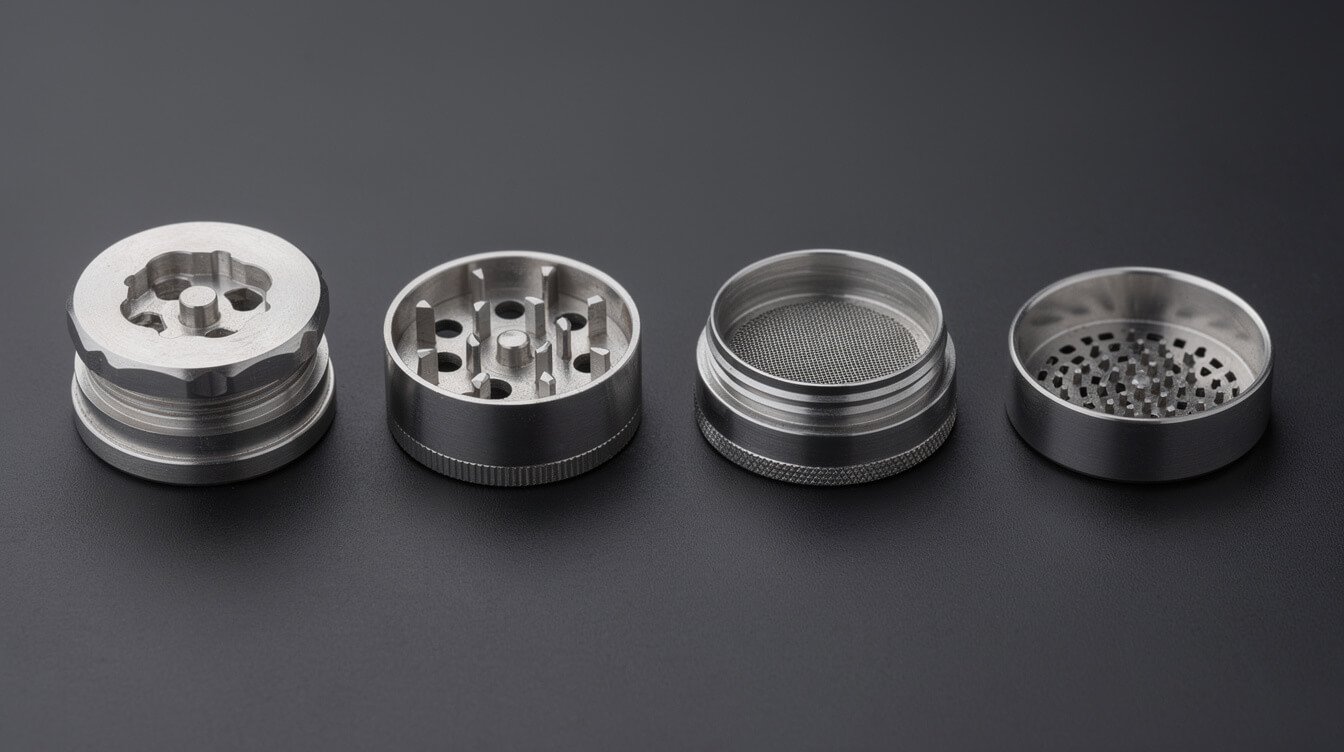
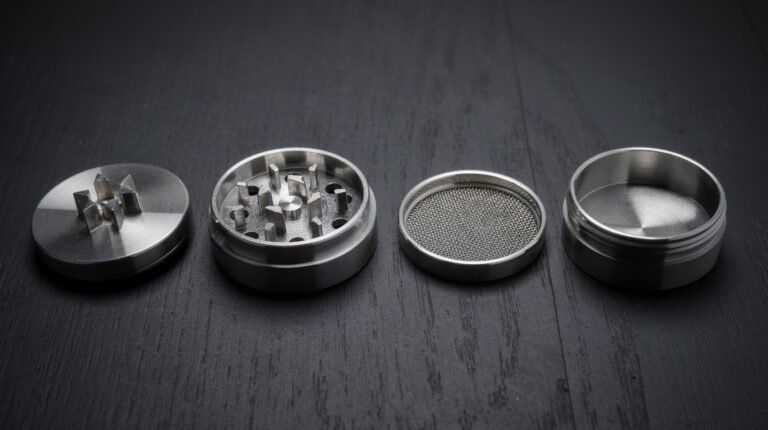
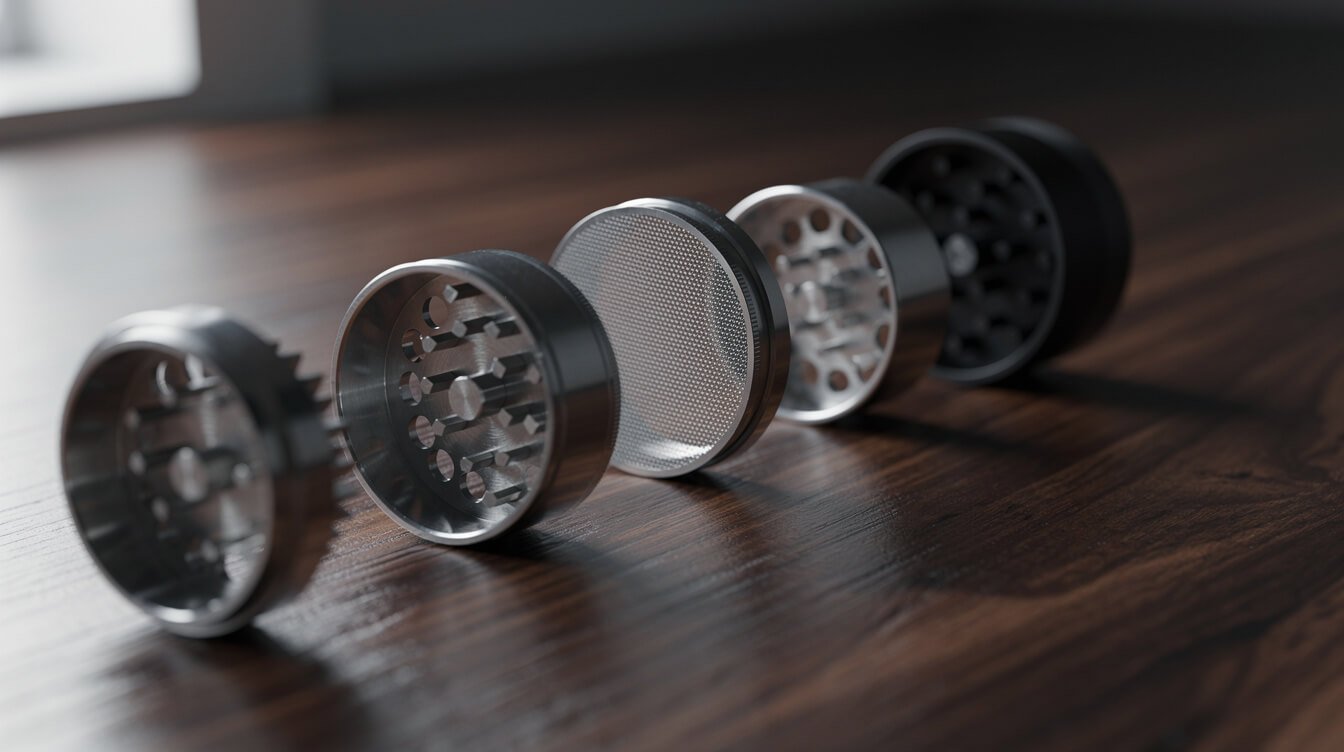
Grinders are usually sold by piece count, and each additional piece adds a specific function — not just more parts to lose.
2-piece
The simplest design: a lid with teeth, a base with teeth, and a magnet or friction fit holding them together. You twist, open, and dump the ground flower straight out. No screen, no kief chamber. Good for people who use a rolling tray anyway and don’t care about collecting kief — it’s the least likely to jam and the easiest to clean.
3-piece
Adds a screen between the grinding chamber and a small storage chamber below. The ground flower falls through the screen and collects in the bottom piece, ready to use, with kief and flower staying mixed together. This is the most common format for a reason: it stores your ground flower cleanly (no dumping onto a tray) while still being simple to clean, since there’s no separate fine-kief layer building up.
4-piece
Same as 3-piece, but with an extra fine-mesh screen and a dedicated bottom chamber that catches only the finest kief — the trichome heads that fall through on their own as you grind. Over weeks of regular use, that chamber builds up a small stash of pure kief you can sprinkle on a bowl or press into a joint for extra potency. The trade-off: more parts means more cleaning, and the fine screen is the part most likely to clog if you don’t maintain it.
If you’re not going to actively collect and use kief, a 4-piece just gives you one more thing to clean for no real benefit. Be honest about your habits before paying extra for the chamber.
Material matters: stainless steel vs aluminum vs acrylic
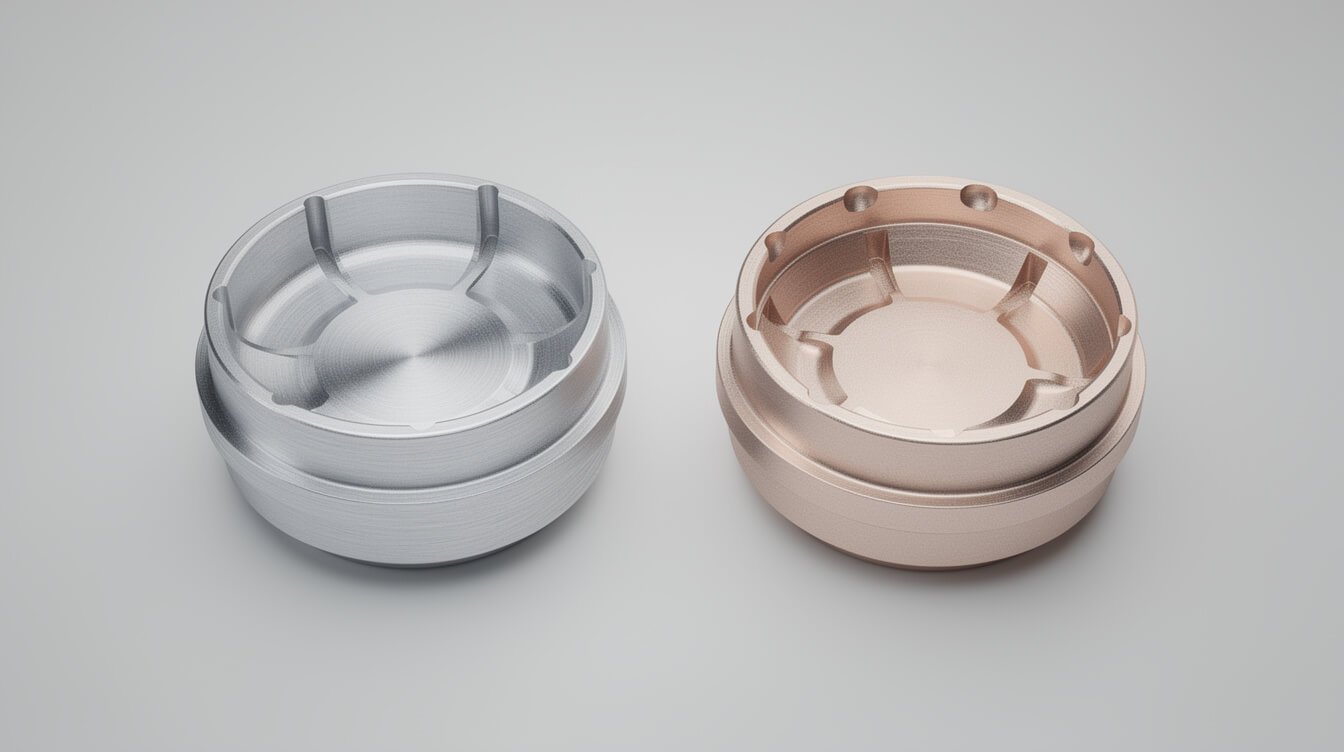
Anodized aluminum is what most mid-range and premium grinders are made from — specifically an aerospace-grade alloy that’s harder and more wear-resistant than the aluminum in a soda can. It’s light, holds a sharp tooth edge well, and the anodized coating resists scratching. This is the sweet spot for most people: durable enough to last years, light enough to carry daily, and priced reasonably because the alloy is cheap to machine at scale.
Stainless steel is harder and denser than aluminum, which means it holds its edge longer and can take more abuse before the teeth dull. It’s also noticeably heavier and more expensive to machine precisely, which is why stainless grinders usually cost more than an equivalent aluminum one. If you’re grinding daily for years and want something that will genuinely outlast you, stainless is the upgrade — but it’s a real upgrade, not just a marketing tier. Don’t pay stainless prices for a grinder that isn’t actually stainless throughout (some budget products use a stainless-look coating over a softer base metal — check the listing specifics, not just the product photo).
Acrylic and plastic grinders are cheap and fine for occasional or travel use, but the teeth dull fast and can shed tiny plastic shavings into your flower over time — not something you want to inhale. Treat these as disposable, not a long-term purchase.
Zinc alloy sits in between — heavier and cheaper-feeling than aluminum, prone to corrosion over time, common in bargain-bin grinders. Skip it if you have a choice.
The best weed grinder for each use case (no coupon codes, just honest picks)
Common buying mistakes to avoid first
A few patterns show up again and again in “why did my grinder stop working after two months” complaints, and almost none of them are about brand:
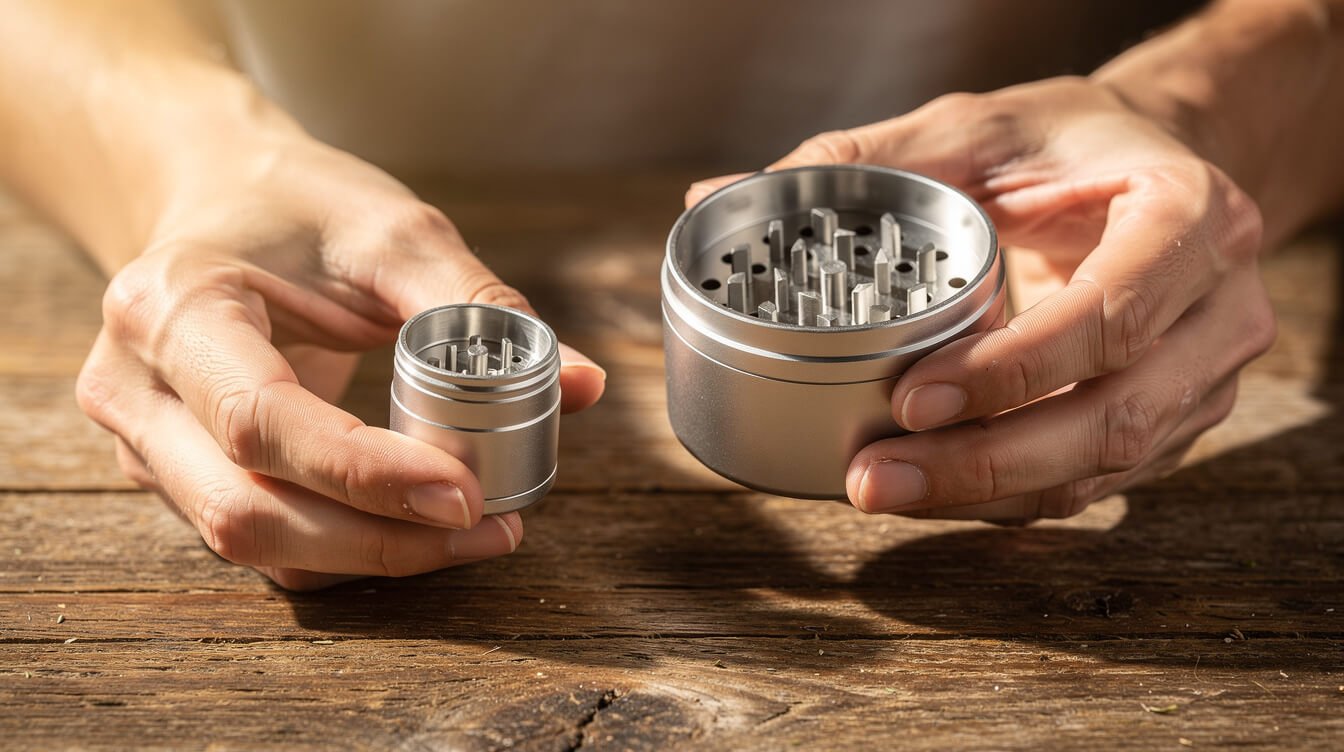
- Chasing diameter without checking piece count needs. A bigger grinder isn’t automatically better — a 3-inch grinder for a person who grinds a single bowl at a time is just harder to grip and more to clean. Match diameter to how much you actually grind per session, not to what looks impressive.
- Ignoring the magnet. Weak or off-center magnets in the lid are one of the most common failure points on budget grinders — the lid pops loose mid-twist, spilling flower. It’s a cheap part to skimp on, and it’s worth checking reviews specifically for magnet complaints before buying.
- Buying “tourist trap” novelty grinders. Grinders with embedded LED lights, oversized branding, or gimmick mechanisms are usually prioritizing the gimmick over tooth quality and screen mesh precision. Fun as a second grinder; skip as your only one.
- Not checking screen mesh size on a 4-piece. Mesh that’s too coarse lets flower fragments fall through with the kief, contaminating it; mesh that’s too fine clogs almost immediately. There’s no universal “best” mesh size — it’s a genuine trade-off, and coarser meshes need more frequent cleaning to stay useful.
Instead of naming one “winner” — which is mostly what drives the affiliate-listicle format — here’s how to match a grinder to what you actually do:
- Daily solo use, smoking or vaping: a 3-piece anodized aluminum grinder, 2.2–2.5 inches in diameter, with sharp diamond-cut teeth. This covers the vast majority of home use without extra cleaning overhead.
- Vaporizer-first users: prioritize a fine, even tooth pattern over piece count — grind consistency matters more for vaping than kief collection does. A 3-piece is usually enough; skip the 4-piece unless you already know you’ll use the kief.
- Heavy or shared use (multiple people, frequent grinding): stainless steel, 4-piece, larger diameter (2.5 inches or up) so you’re not re-grinding constantly. The extra durability earns its cost here.
- Kief collectors: a true 4-piece with a fine, unclogged screen — and the discipline to actually clean and use the kief chamber, not just let it sit.
Budget, travel, and kief-focused picks
Budget tier (roughly $15–30): a 2-piece or 3-piece anodized aluminum grinder from a reputable smoke-shop or head-shop brand. Skip anything under about $10 — that price point is almost always acrylic or thin zinc alloy with teeth that dull within weeks.
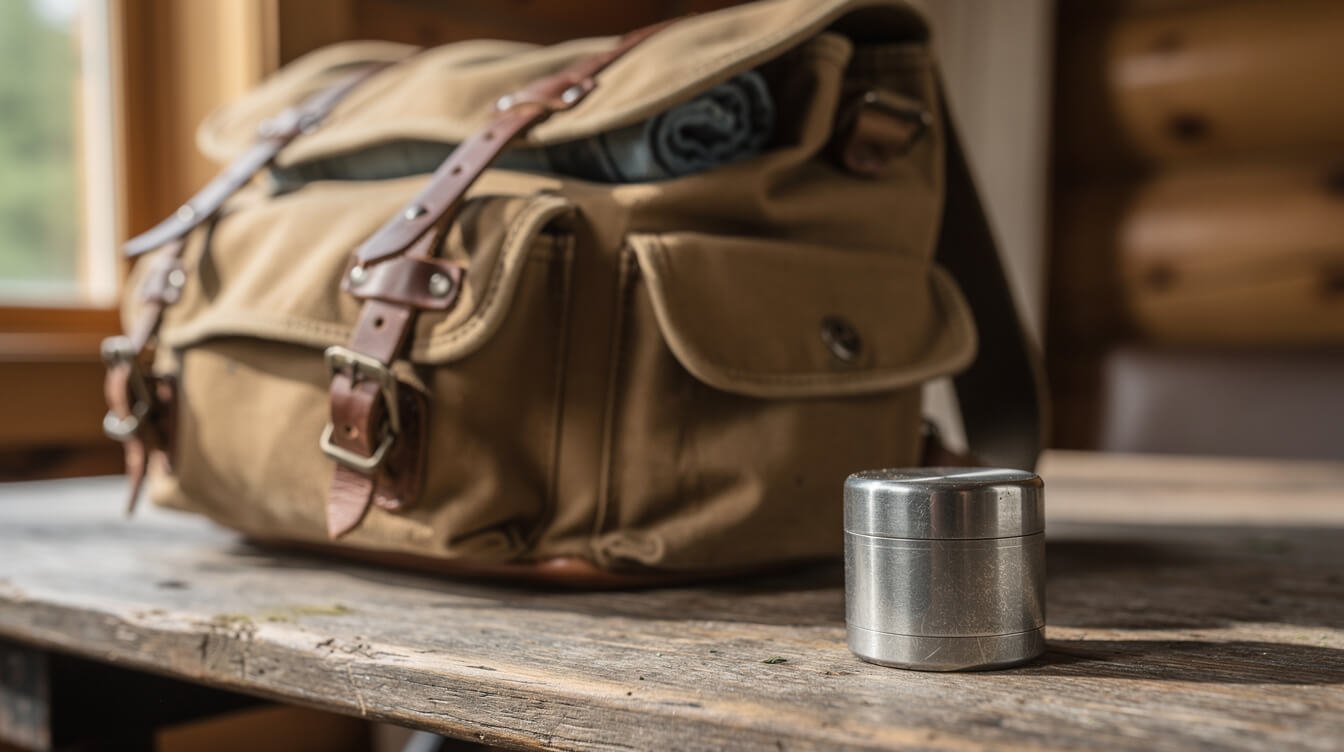
Travel: go small and simple. A compact 2-piece or basic 3-piece (1.5–2 inches) fits a pocket or bag without adding bulk, and fewer pieces means less to lose if you’re unpacking and repacking a bag repeatedly. Skip the 4-piece for travel — the kief chamber is the first thing to spill or jam when it’s been jostled around all day.
Electric grinders are worth a mention here: they trade some control for speed and are genuinely useful for anyone with limited hand strength or dexterity, or anyone grinding large batches at once (edibles-makers, for example — see our cannabutter with shake guide if that’s you). The trade-off is less consistent grind size than a good manual grinder, since you’re not controlling twist pressure by feel. For most single-session, single-person use, manual still wins on consistency.
Cleaning and maintenance — the step most guides skip
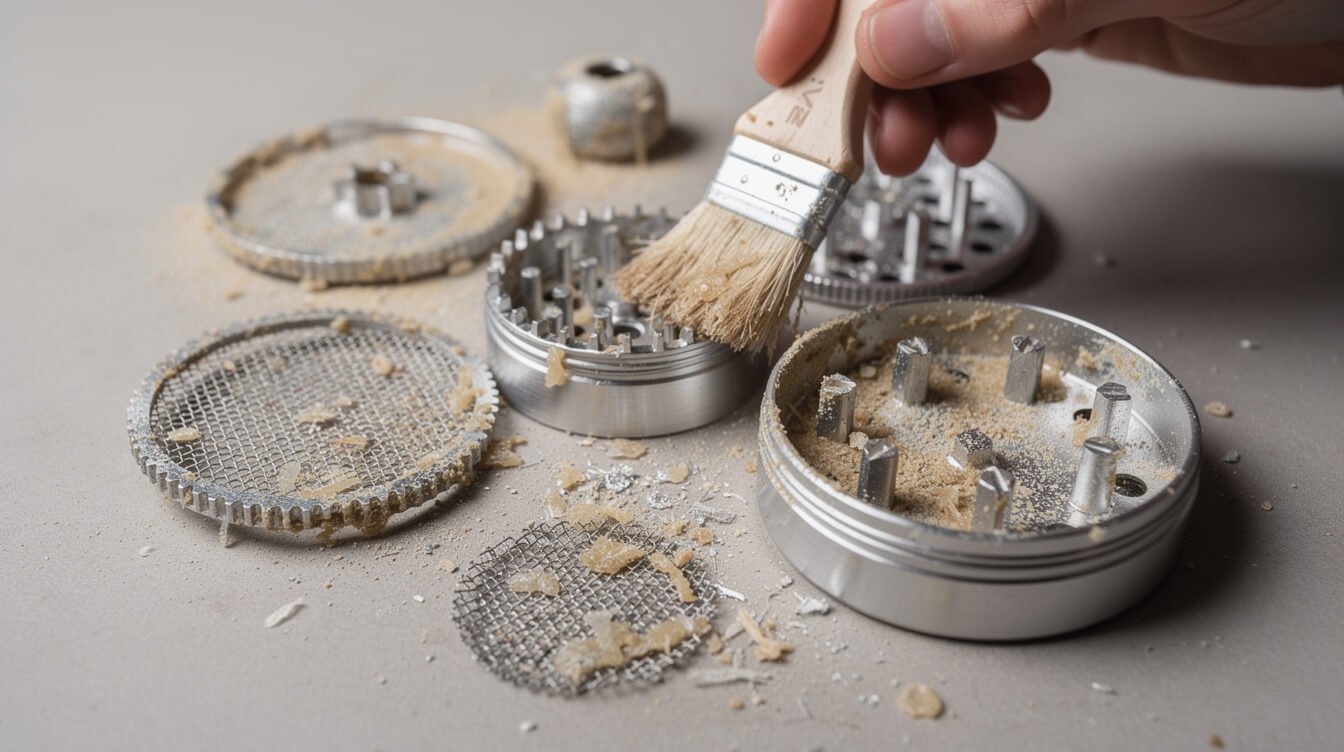
A grinder that isn’t cleaned regularly grinds worse over time, not just grosser. Resin buildup on the teeth rounds off their cutting edges, so a dirty grinder increasingly crushes and tears flower instead of shearing it cleanly — which is the exact inconsistency problem the whole guide has been about avoiding.
Basic maintenance, roughly every 2–4 weeks of regular use:
- Fully disassemble the grinder — every piece, including the screen if it has one.
- Use a small brush (an old toothbrush works) to scrape resin off the teeth and screen. For stuck-on buildup, freezing the pieces for 15–20 minutes first makes resin brittle and easier to knock loose.
- For a deeper clean, a short isopropyl alcohol soak (91%+ concentration) dissolves resin that brushing alone won’t remove — just make sure every piece is fully dry before reassembling, since trapped moisture invites mold in the kief chamber specifically.
- Never use water alone on an unsealed kief screen — it can rust a lower-quality metal screen and won’t cut through resin the way alcohol does.
A well-maintained mid-range aluminum grinder will consistently outperform a neglected stainless one. Material matters less than upkeep, which is worth remembering before spending extra on the “premium” material tier.
FAQ: best weed grinder

Is a more expensive grinder actually better, or just marketing?
Past a certain floor — roughly $25–40 for a well-made anodized aluminum grinder — you’re mostly paying for material upgrades (stainless steel), design refinements (threadless mechanisms, magnetic lids), and brand reputation, not a dramatically better grind. A cheap acrylic grinder is a real downgrade. A $150 grinder over a $40 one is a smaller, more marginal upgrade.
Do I need a 4-piece grinder to collect kief?
Yes — a 3-piece has no dedicated fine-mesh screen or bottom chamber, so there’s nowhere for kief to separate and collect. If kief collection isn’t something you’ll actually use, the extra chamber is just extra cleaning.
Can I put my grinder in the dishwasher?
Don’t. Dishwasher heat and detergent can warp plastic components, degrade magnets, and strip anodized coatings on aluminum. Hand cleaning with a brush and an alcohol soak, as above, is the safer routine.
Is it legal to buy and own a weed grinder?
Grinders themselves are general-purpose herb-grinding tools sold openly at head shops and online retailers in most places — but cannabis paraphernalia laws vary by state and country, and in some jurisdictions possessing a grinder alongside cannabis (even legally purchased) can carry different rules than the grinder alone. Check your local laws rather than assuming what’s fine where we are is fine where you are.
Do grinders work for other herbs too?
Yes — a cannabis grinder is mechanically identical to a spice or herb grinder. Plenty of people use the same one for cannabis and kitchen herbs, though we’d recommend keeping a dedicated one for each if you’re particular about flavor carryover.
How do I know my grinder’s teeth are getting dull?
The clearest sign is grind quality degrading before any visible damage shows — you’ll notice more uneven chunks, more twisting effort for the same result, and more flower getting torn or mashed against the walls instead of sheared cleanly. Resin buildup causes the same symptoms and is the more common culprit, so a thorough clean (see above) is worth trying before assuming the teeth themselves are actually worn out.
What size grinder should I buy?
For solo, regular use, 2.2–2.5 inches in diameter is the sweet spot — enough capacity for a few sessions’ worth of flower without being bulky to store or travel with. Go smaller (1.5–2 inches) if portability is the priority, or larger (2.5 inches-plus) only if you’re regularly grinding for multiple people at once.
Final thoughts on picking the best weed grinder
The best weed grinder for you isn’t the one topping an affiliate roundup with the biggest discount code — it’s the one matched to how you actually consume: anodized aluminum for most people, stainless if you’re grinding daily for years, 3-piece unless you’ll genuinely use a kief chamber, and cleaned regularly no matter what you buy. Get those fundamentals right and you’ll get a better grind out of a $30 grinder than most people get out of a neglected $150 one.
If you’re setting up a full home grow rather than just prepping flower, our guides to choosing an LED grow light and lighting a single plant without a tent cover the gear decisions that come before harvest. And if you’re still working on the basics of rolling, our honest step-by-step joint guide pairs naturally with a good grind.
Prefer to support the desk directly? Check out the GanjaTech culture merch shop — no coupon codes for grinders here, just apparel for people who actually know the plant.