Best Rolling Papers, Honestly: How to Actually Pick One
If you’ve stood in front of a smoke shop counter staring at forty different packs, the real question isn’t “which brand is best” — it’s “what am I actually paying for?” The best rolling papers aren’t a mystery brand pick. They come down to four things: material, thickness, adhesive, and size, and once you understand those, you can judge any pack on the shelf yourself instead of trusting whoever has the flashiest branding.
Here’s the honest answer, then the nuance most gear roundups skip.
The honest answer: best rolling papers, straight up
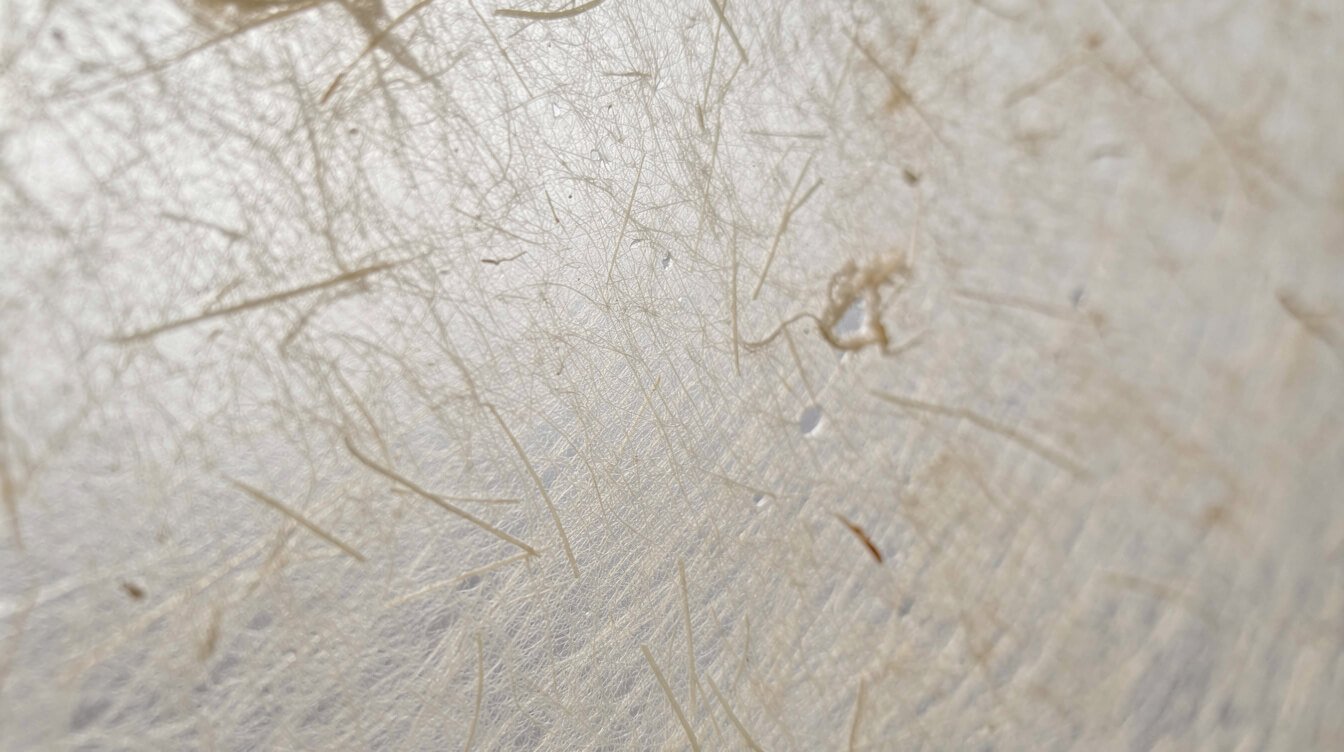
For most people, most of the time: thin, unbleached rice paper in 1¼ size is the sweet spot. It burns slow and even, adds almost no taste of its own, and it’s cheap — often a few cents a joint. If you want the beginner-proof version, grab pre-rolled cones in the same paper type; you skip the fold entirely and just pack.
Skip the $20 gold-leaf novelty packs unless you specifically want the gimmick. Skip anything bleached bright white if you can help it — bleaching adds nothing to the smoke except chlorine byproducts, and unbleached options burn just as clean. And if you’re rolling for a crowd, king-size papers save you from re-rolling every ten minutes.
That’s the fast version. Now here’s why, so you can make the call yourself next time you’re standing at the counter.
What actually makes a rolling paper good
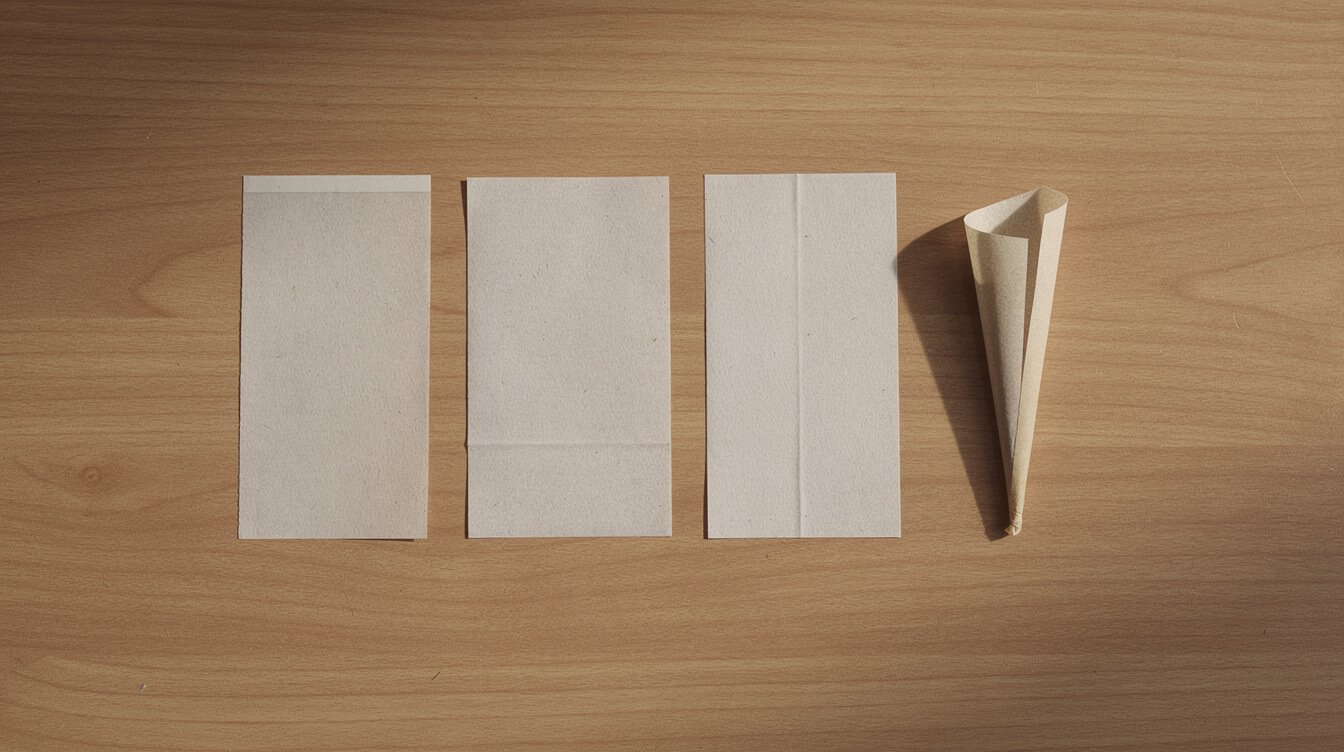
Four variables decide whether a paper is genuinely good, and none of them are “the brand on the front.”
Material
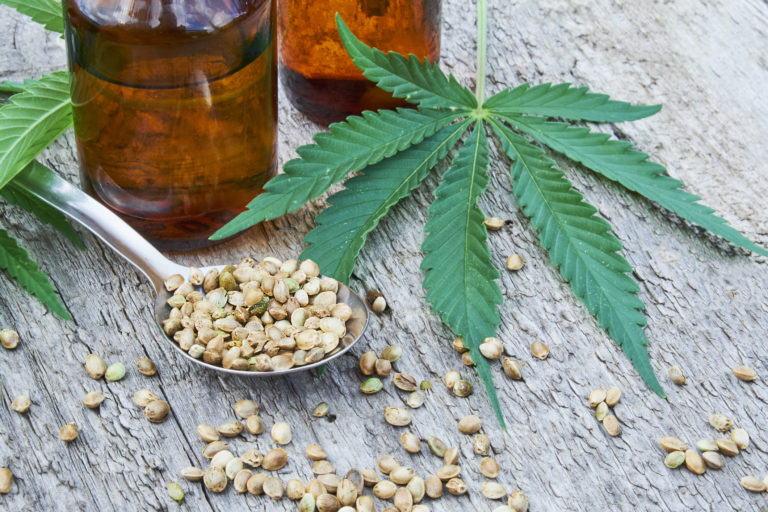
Rice paper is thin, close to translucent, and burns the slowest of the common materials — it’s the closest thing to a neutral, flavor-free option. Hemp paper is a bit thicker and more textured, holds a crease well for beginners, and has a faint natural taste some people like and others find distracting. Wood pulp paper is the thickest and cheapest to produce — it grips well but burns hotter and faster, and it’s the material most associated with a harsh, “hot” smoke.
Thickness
Thinner papers burn slower and taste cleaner, but they’re less forgiving to roll — they tear more easily and show every flaw in your technique. Thicker papers are more durable for beginners but burn faster and add more of their own taste to the smoke.
Adhesive
Look at the gum strip. Gum arabic (a natural tree sap) is the traditional choice and burns slowly and evenly. Sugar-based gum is common on rice papers and tends to seal fast and burn clean without leaving much of a seam line. Either is fine — what you want to avoid is a paper with a wide, sloppy gum strip that leaves a visible ash ridge down the seam.
The small details that separate decent from good
A slight watermark or crimped edge pattern (sometimes called “crisscross” or “gold rush” lines) is what makes a burn even instead of “canoeing” — burning faster on one side than the other. It’s a small manufacturing detail, but it’s the difference between a joint that burns straight and one you have to keep relighting on the slow side.
The number on the pack that actually tells you something: gsm
Most packs list a paper weight in gsm (grams per square meter) somewhere on the booklet, usually in small print near the barcode. Thin rice papers typically run 12–14 gsm; thicker hemp or wood-pulp papers run 18–24 gsm or higher. It’s the one spec on the package that isn’t marketing — lower gsm means thinner, slower-burning, more delicate paper, and higher gsm means thicker, faster-burning, more forgiving paper. If you can’t decide between two packs of the same material, the gsm number is a better tiebreaker than the branding on the front.
A quick sustainability note
Since it comes up: hemp paper is generally considered the lower-impact option, since hemp grows fast and needs less processing to turn into pulp than wood does. Rice paper is a byproduct of rice-stalk processing rather than a dedicated crop, which is its own reasonable case for lower impact. Wood pulp papers are the least differentiated on this front. None of this should be the deciding factor over how the paper actually performs for you, but it’s a real, non-marketing difference if it matters to you.
Rolling paper sizes and shapes, explained
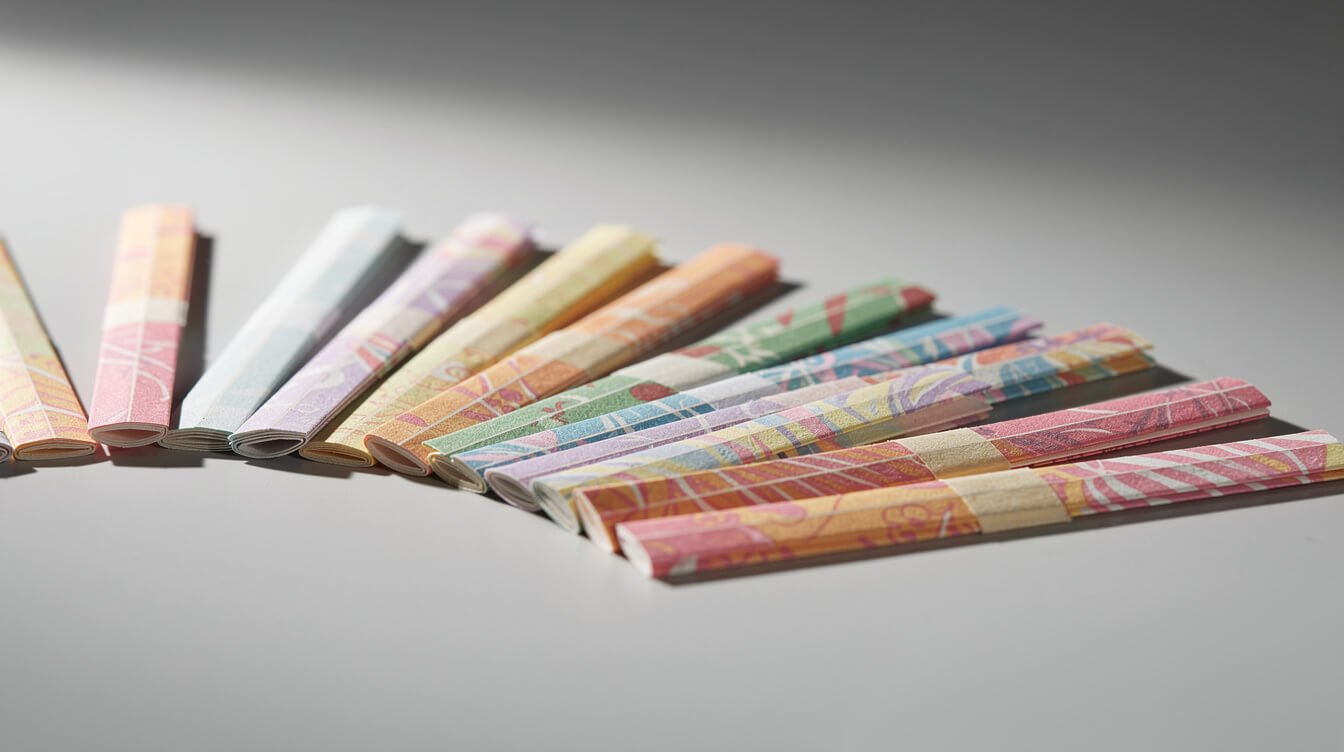
Size isn’t a style preference — it’s a practical decision based on who’s smoking and how much.
- Single wide: The smallest common size, mostly a legacy format from tobacco rolling. Rarely the best choice for cannabis unless you’re rolling something very small solo.
- 1¼ (“one and a quarter”): The default for a reason — enough length to work with, small enough to control, and the size most grinders and rolling trays are built around.
- 1½: A middle ground, slightly more capacity than 1¼ without jumping all the way to king size.
- King size / king size slim: Longer and often slightly wider, built for bigger sessions or sharing. Slim versions keep the diameter reasonable so you’re not rolling something the size of a cigar.
- Cones: Pre-shaped and pre-glued, open at one end for packing. The single best format for anyone still learning to roll, since it removes the fold-and-tuck step entirely — you’re just packing a funnel.
If you’re brand new, start with cones in 1¼. You’ll get a consistent, even joint from the first try, and you can graduate to hand-rolling papers once you’ve got a feel for how much ground flower actually fills one.
Roughly how much flower fills each size
This varies with how tight you pack, but as a rough starting point: a single wide holds about 0.2–0.3 grams, a 1¼ holds about 0.3–0.5 grams, a 1½ holds about 0.4–0.6 grams, and a king size holds about 0.5–1 gram or more depending on length. If you’re consistently over- or under-filling a size and ending up with a joint that won’t seal or one that’s loosely packed and canoes, that’s usually a sign to size up or down rather than fighting the paper you have.
Flavored and colored papers: the honest take
Flavored papers exist, colored papers exist, and neither does what the packaging implies. The flavoring is usually a light food-grade coating baked into the paper — it shows up faintly at the very start of the burn and fades fast. It’s not going to mask a strong smell, and it’s not going to change the effects of what you’re smoking. If you actually want to taste your flower’s own terpenes, an unflavored, unbleached paper is the better call — flavoring competes with the exact flavor profile you paid for.
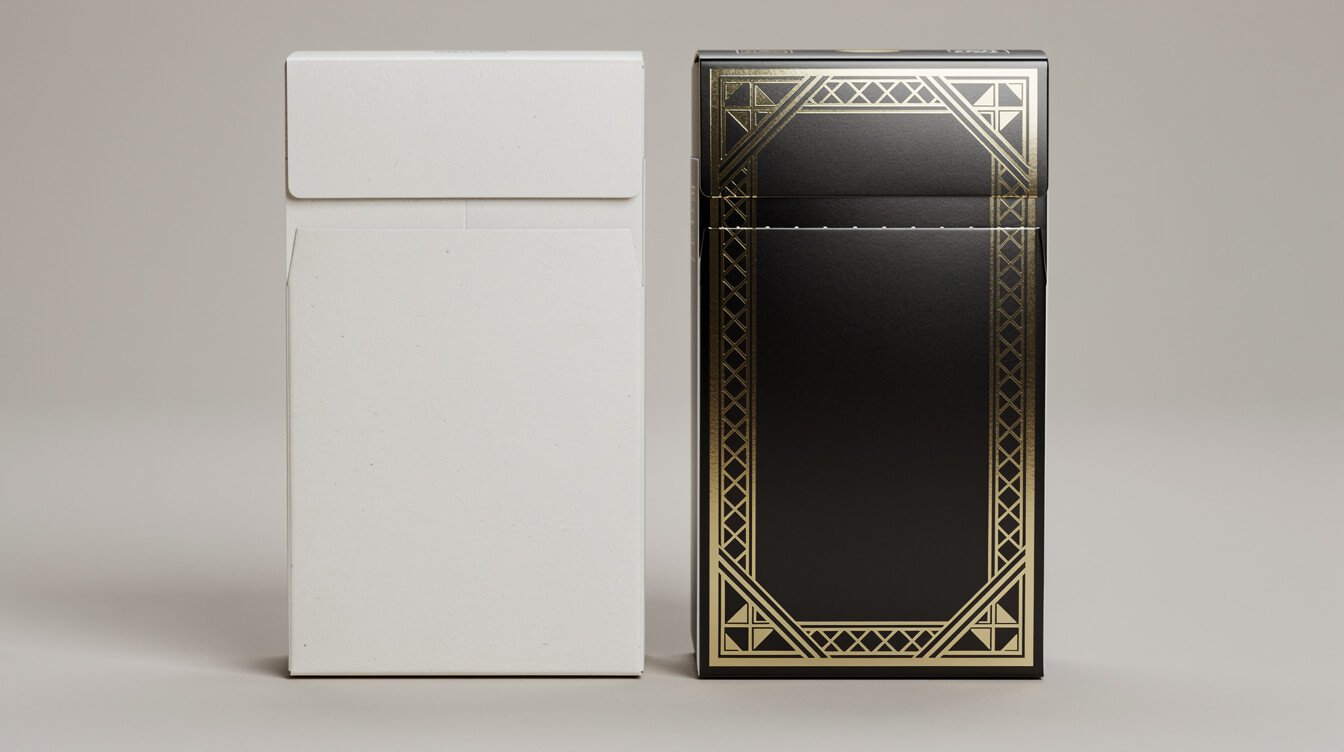
Colored and novelty papers (black, gold leaf, clear cellulose) are almost entirely aesthetic. Clear cellulose papers in particular tend to burn less evenly and can taste more plasticky than plant-based options, despite the premium price tag some brands put on them. None of this is a health claim in either direction — we’re not qualified to tell you papers are “safer” or “riskier” than any other combustion method, and if that’s a concern for you, that’s a conversation for a doctor, not a gear guide. We’re just telling you what the flavoring and color actually change: taste and looks, not much else.
Budget vs. premium: what you’re actually paying for
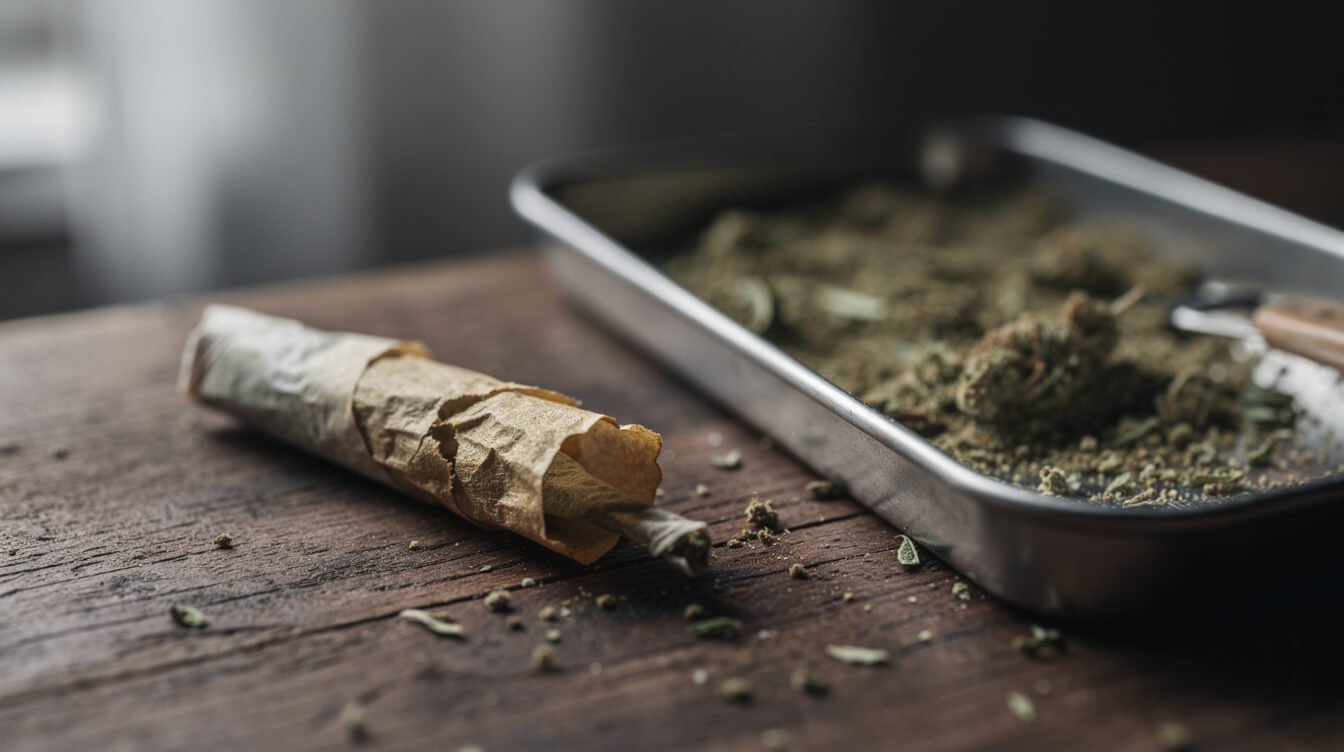
A basic pack of 1¼ rice papers runs a couple of dollars for fifty. A “premium” pack with gold branding, a metal case, or a celebrity name on it can run five to ten times that. Here’s the honest math: past a certain point, you’re paying for packaging and marketing, not a materially different smoking experience.
Where premium pricing does buy something real: consistent quality control (fewer duds, fewer tears straight out of the booklet), a genuinely useful accessory bundled in (magnetic closures that survive a pocket, built-in tips), or a specialty material you can’t get cheap (true hemp, or a slow-burn treated paper). Where it doesn’t buy anything: the gold leaf itself burns the same as regular paper, and a fancy box doesn’t change how the joint smokes.
If you’re optimizing for value, a mid-tier rice paper booklet from a reputable maker gets you 90% of what the expensive stuff offers for a fraction of the price. Save the splurge pack for an occasion, not your Tuesday night.
Run the actual math and the gap gets clearer: a $3 pack of 50 rice papers works out to about 6 cents a joint. A $20 pack of 32 “premium” papers works out to roughly 63 cents a joint — over ten times the cost for a burn experience that, in a blind test, most people can’t reliably tell apart from the cheap pack. That premium price is buying you the box, the branding, and sometimes a genuinely nicer material — not a joint that gets you meaningfully higher or hits meaningfully smoother.
Common rolling paper mistakes (and how to avoid them)
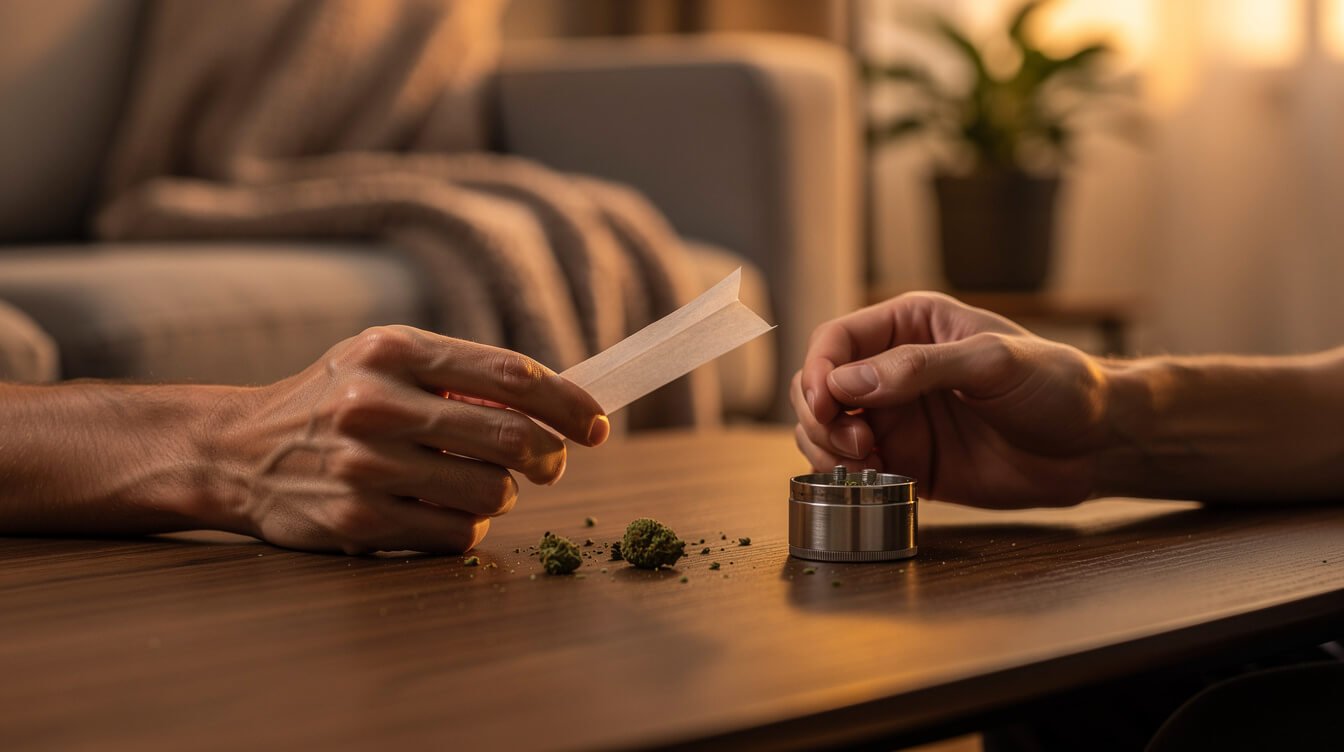
Most “bad papers” complaints are actually storage or technique problems, not a bad product.
- Stale, dry papers tear. Rolling papers absorb and lose humidity like anything else. If your papers have been sitting in a hot car or a dry drawer for months, they’ll crack instead of fold. Keep the booklet somewhere stable, ideally with the flower you’re rolling, not separately baking in a glovebox.
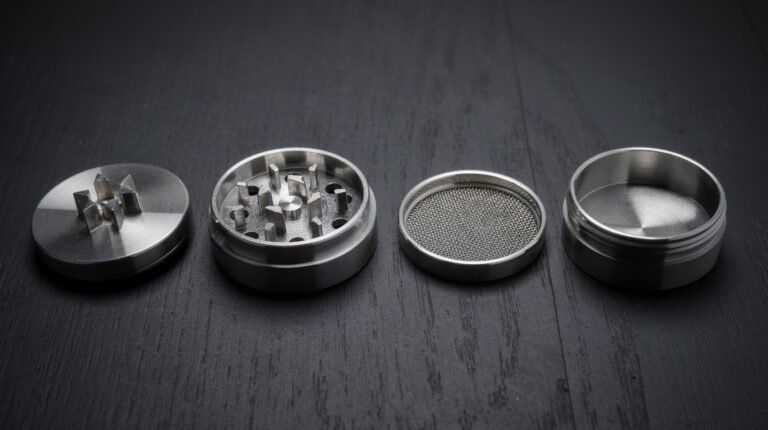
- Wrong size for your grind. Packing a coarse, chunky grind into a small paper is a recipe for tears and lumps. Match your paper size to how much you’re actually rolling, and grind fine and even — a decent grinder does more for your roll quality than a fancier paper will.
- Overpacking the seam. Cramming flower right up to the gum line makes it nearly impossible to get a clean seal. Leave a little room at the edge.
- Ignoring the crutch/filter tip. A paper filter tip isn’t just structural — it keeps loose flower out of your mouth and gives the joint an airway that doesn’t collapse halfway through. If you haven’t nailed the fold-and-roll yet, our step-by-step joint-rolling guide walks through the technique paper choice can’t fix on its own.
- Buying a dozen novelty packs before finding a daily driver. It’s tempting to grab every flavor and color on the rack. Pick one plain, unbleached rice paper as your baseline first — you’ll actually be able to tell what a “better” paper feels like once you have something ordinary to compare it to.
Storage matters more than most people think, and it’s the same humidity logic that applies to curing your flower properly: papers that live somewhere too dry get brittle, and papers that live somewhere too humid can stick together in the booklet or develop a musty smell. A drawer at normal room conditions is fine — you don’t need a humidity pack for papers specifically, just don’t leave them in a hot glovebox or a damp bathroom cabinet.
Frequently asked questions about best rolling papers
Are rolling papers legal to buy?
Rolling papers themselves are a legal tobacco/smoking accessory in the United States and sold at gas stations, smoke shops, and online retailers everywhere. What you roll in them is a separate question — cannabis legality varies significantly by state and country, and possession/use laws differ even between states that have both legalized it. Always check your local laws; this isn’t legal advice.
Are hemp papers “healthier” than rice papers?
We can’t make a health claim either way, and you shouldn’t trust a gear guide that does. What’s true is that hemp papers are thicker and often unbleached, rice papers are thinner and burn cooler and slower. If combustion-related health questions matter to you, that’s worth a conversation with a doctor, not a papers comparison.
Do flavored papers get you higher?
No. Flavoring changes taste, not potency or effect. Nothing about the paper changes how much THC or CBD reaches you — that’s a function of what’s inside the paper, not the paper itself.
Are cones better than rolling your own?
For consistency and speed, yes — especially for beginners. For control over exact size, packing density, and the ritual some people genuinely enjoy, hand-rolling wins. Neither is “more legitimate”; it’s a convenience trade-off.
How many papers does one joint actually need?
One, in almost every case. Some people double up papers for extra durability or to slow the burn on very thin rice paper, but it’s a preference, not a requirement — and it does change the taste and burn rate.
Do rolling papers expire?
Not in a food-safety sense, but they do dry out, discolor, and become brittle over years, especially with heat or humidity swings. If a pack has been sitting around for a long time and papers are cracking on the fold, that’s your answer.
Do I need a rolling tray?
You don’t need one, but it helps more than people expect. A tray keeps your ground flower, papers, and filter tip in one contained surface instead of scattered across a table, and it makes cleanup and re-rolling noticeably faster. It’s a nice-to-have accessory, not a requirement — good technique and a decent grind matter more than the surface you’re rolling on.
What’s the difference between rolling papers and blunt wraps?
Rolling papers are thin, made from rice, hemp, or wood pulp, and burn with essentially no flavor of their own. Blunt wraps are made from tobacco leaf (or reconstituted tobacco), which means they’re thicker, burn slower, add a distinct tobacco taste and buzz of their own, and introduce nicotine into the mix — a genuinely different product with a different experience, not just a bigger paper.
My joint won’t seal right — can I fix it or do I need a new paper?
A weak seal is almost always technique (not enough moisture on the gum, or the seam wasn’t tucked before you licked it) rather than a bad paper. A little extra moisture and a firmer tuck-and-roll usually fixes it. If the gum strip itself has dried out or gone tacky in old packaging, that paper’s done — grab a fresh one rather than fighting it.
Final thoughts on picking the best rolling papers
You don’t need to memorize twenty brand names to buy good rolling papers — you need to know what you’re looking at. Thin, unbleached, rice-paper cones in 1¼ cover almost every situation well. From there, adjust for size (king size for sharing), material preference (hemp if you like a bit more texture and a natural taste), and skip the novelty packs unless the novelty is the point.
Papers are one small, cheap piece of a much bigger picture — pair the right paper with a decent, even grind and the fold-and-roll technique from our joint-rolling guide, and the paper stops being the thing standing between you and a joint that actually burns right. And whatever you’re rolling with, know your local laws, keep it to 21+, and enjoy it responsibly.
Want more honest, no-hype gear breakdowns like this one? Check out our grinder buying guide, browse the rest of our explainers, or see what’s in the GanjaTech shop.