How to Clone a Cannabis Plant: The Honest Step-by-Step Guide
How to clone a cannabis plant, honestly: take a cutting from a healthy vegetative plant, get it to grow its own roots, and you have a genetic copy of the original — same strain, same potency, same flavor, no dice roll on genetics. It’s not complicated, but it’s easy to mess up in three or four specific ways. Here’s the real process, the gear that actually matters, and the mistakes that kill most first clones.
What cloning actually is (and why growers bother)
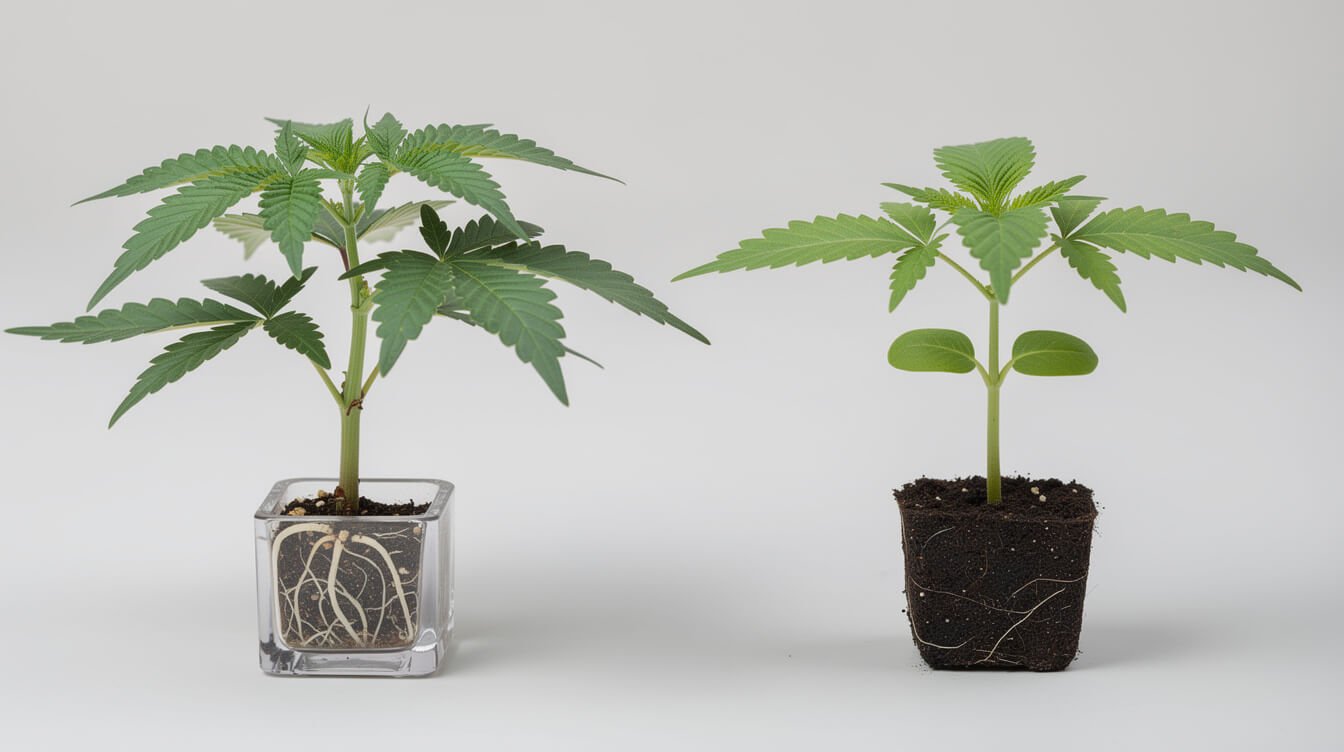
A cannabis clone is a cutting from a “mother” plant that’s been encouraged to grow its own root system. Once it roots, it’s not a new plant genetically — it’s the same plant, just in a new pot. Same cultivar, same terpene profile, same growth pattern, same everything, because the DNA didn’t change.
That’s the whole appeal. Growing from seed means genetic variation — even seeds from the same pack can finish differently, smell differently, or turn out male when you needed female. A clone skips that lottery entirely. If you had a plant last season that grew fast, smelled incredible, and yielded well, a clone of it will do the same thing again, assuming you give it the same environment.
Clones also save time. You skip germination and the slow, fragile first couple of weeks of seedling life. A healthy clone can be two or three weeks ahead of a seed by the time both have roots — which matters if you’re working around a short outdoor season or just want to keep a perpetual harvest going indoors.
The tradeoff: a clone is only as healthy as its mother. Pests, nutrient deficiencies, and viroids can all travel from mother to cutting, and clones taken from an already-stressed or flowering plant root slower and less reliably than clones from a happy, vegetative one.
There’s a culture angle here too. Some of the most well-known cannabis cultivars have been kept alive almost entirely through cloning — grown from a single genetic line for years or even decades, cutting after cutting, because growing them out from seed produces enough variation that the plant that made the cultivar famous wouldn’t reliably come back. That’s the whole point of a clone-only cultivar: it’s not a “type” of weed you can recreate from any seed pack, it’s one specific plant’s genetics, preserved indefinitely by never letting it reproduce sexually at all.
What you need before you start
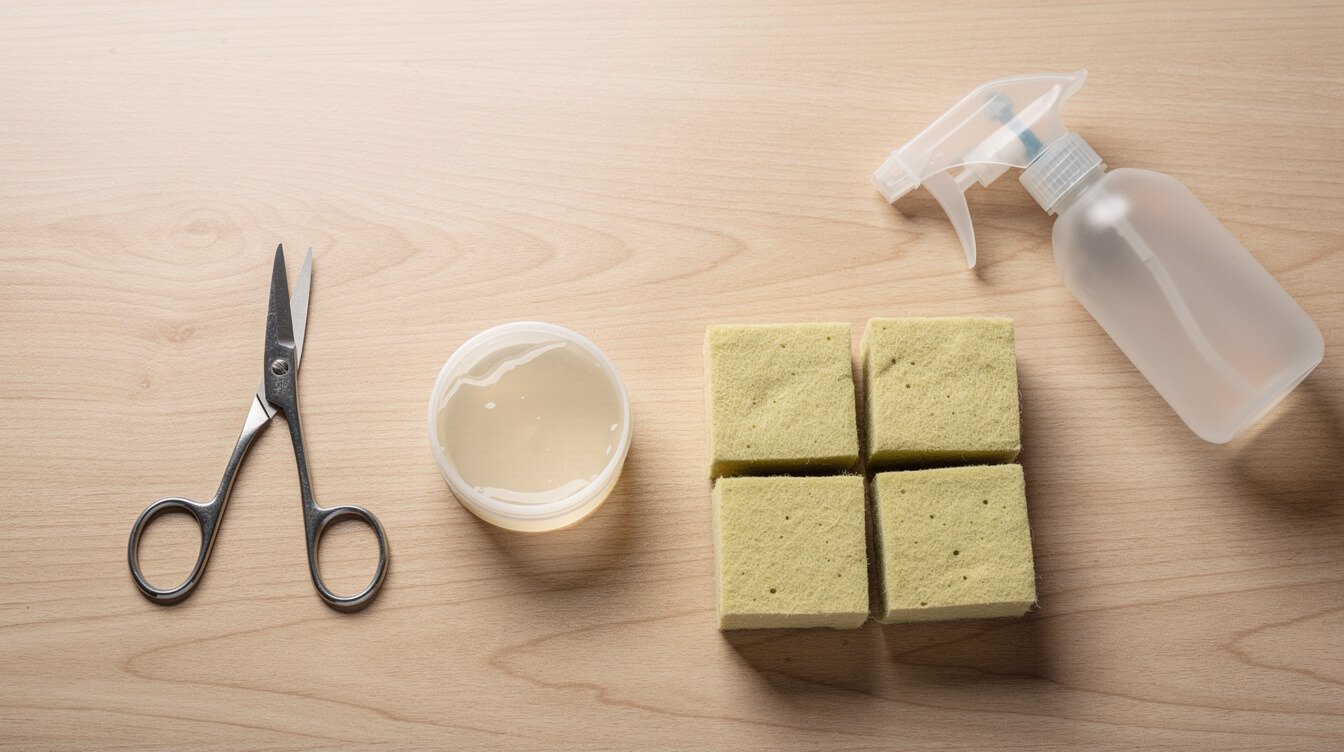
You don’t need an expensive setup to clone a cannabis plant successfully. The core list:
- A healthy mother plant — in the vegetative stage, not flowering, with several nodes of new growth to choose from.
- Sharp, sterile cutting tool — a razor blade or fine scissors, wiped with isopropyl alcohol between cuts. A dull or dirty blade crushes the stem instead of slicing it, which slows rooting and invites rot.
- Rooting hormone — gel or powder. Gel tends to seal the cut end better; powder is cheaper and stores longer. Either works, and both do the same job: deliver a concentrated dose of auxin, the plant hormone that triggers root formation at a wound site. A cutting will often root without added hormone eventually, but a hormone dip speeds things up and improves the odds noticeably, especially on cultivars that are naturally slow to root.
- A rooting medium — rockwool cubes, peat pellets, or plain water. More on the tradeoffs below.
- A humidity dome or propagation tray — keeps humidity high around the cutting while it has no roots to pull water through.
- A spray bottle — for misting leaves until roots form.
- A small fan (optional but recommended) — gentle airflow across the dome prevents mold without drying out the cuttings.
A heat mat that holds the rooting zone in the mid-70s°F helps, especially if your grow space runs cool, but it’s not mandatory in a normal room-temperature environment.
One habit worth building early: keep your mother plant on the milder side of feeding, not the strongest nutrient schedule you’ve got. A mother that’s slightly under-fed on nitrogen roots her cuttings faster than one pushed hard on heavy vegetative nutrients — overfed cuttings tend to take longer to switch from “grow more leaf” mode into “grow roots” mode. If you’re planning to take clones regularly from the same mother, back off nitrogen for a week or two before a cloning session.
How to clone a cannabis plant, step by step
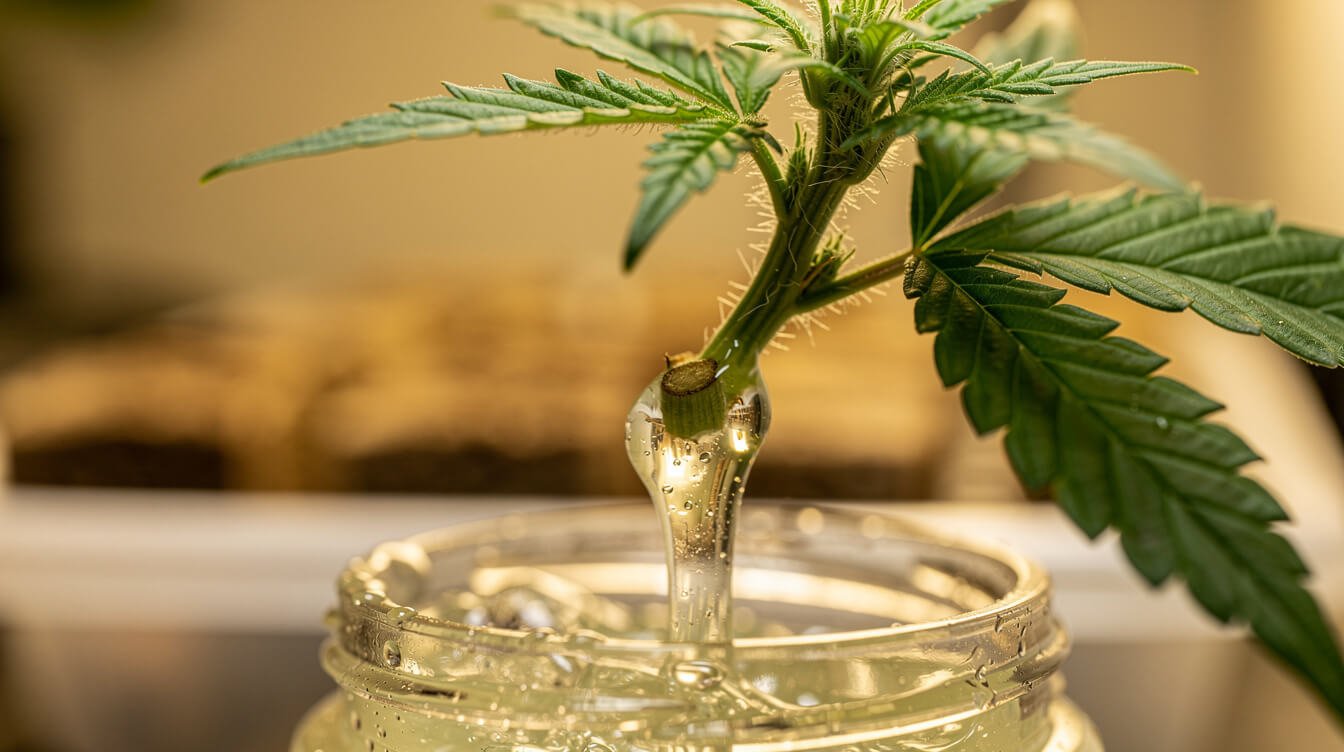
This is the part everyone overcomplicates. It’s genuinely a five-step process:
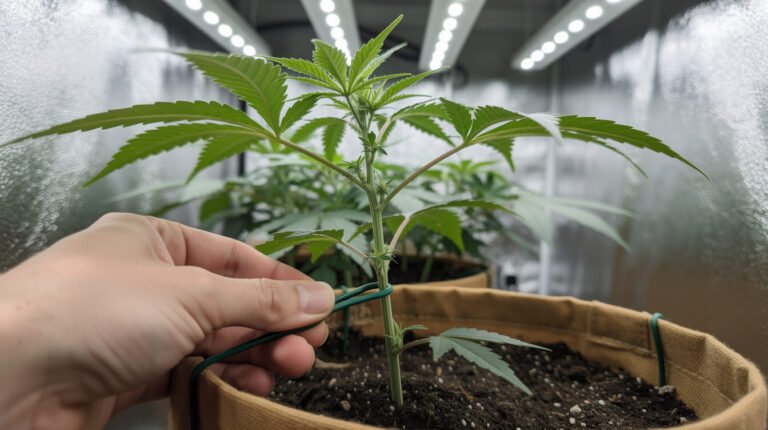
- Pick your cutting. Look for a growth tip with alternating leaf nodes (a sign the plant is mature enough to root reliably) on a lower branch — lower cuttings tend to root faster than ones from the top, because they carry more of the plant’s natural rooting hormone.
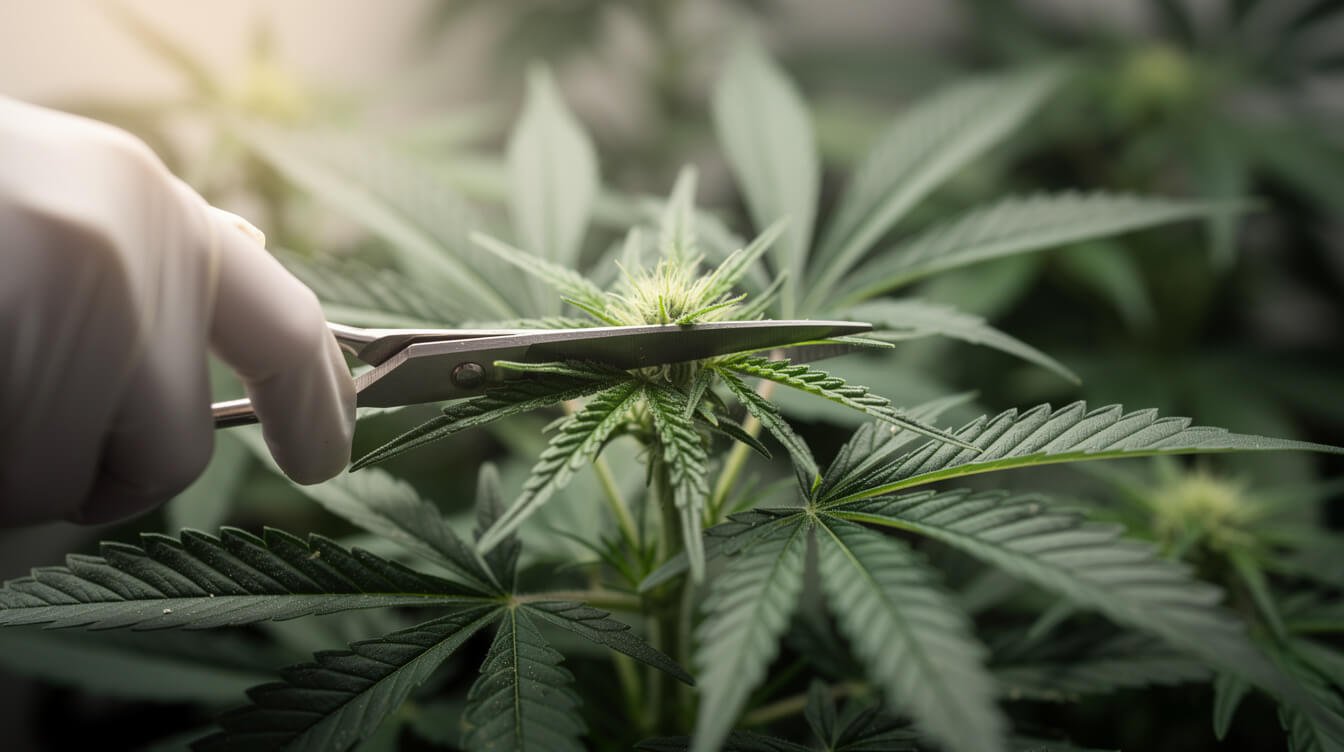
- Cut at a 45-degree angle. Take 4-6 inches of stem, cutting at an angle just below a node. The angle increases surface area for roots to form and makes it easier to push into a rooting cube without crushing the stem.
- Trim and prep the cutting. Remove the lower leaves so only the top one or two fan leaves remain — fewer leaves means less water loss while there are no roots yet to replace it. Some growers also gently scrape the outer layer off the bottom half-inch of stem to expose more of the tissue roots grow from.
- Dip in rooting hormone. Coat the cut end fully, then insert it into your pre-soaked rooting medium (or a cup of clean water, if you’re using the water method) so the hormone-coated section is fully covered.
- Cover and place under light. Set the cutting under a humidity dome, under 18-24 hours of light on the lower end (clones don’t need intense light — they’re not photosynthesizing hard yet, they’re rooting), and keep the medium moist but not soaked.
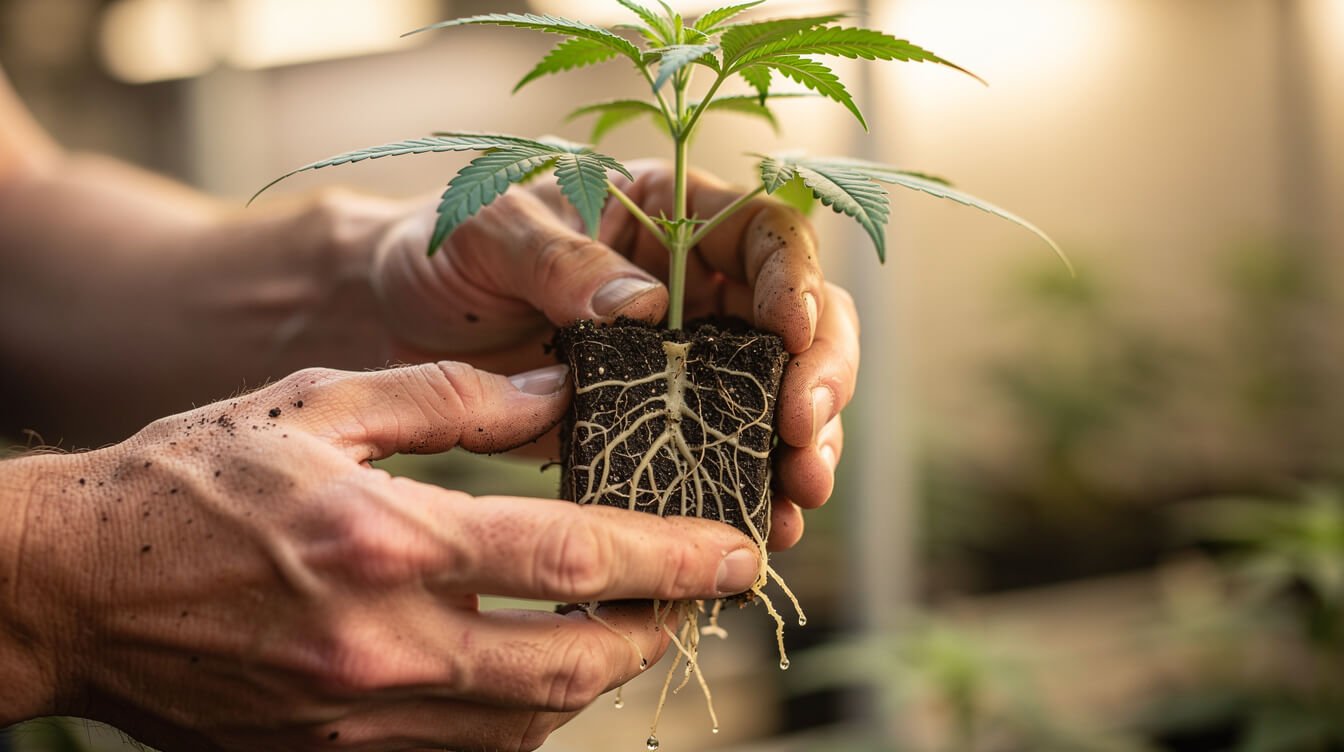
From there, it’s a waiting game. Most healthy clones show visible root development in 7 to 14 days. Some strains root faster, some noticeably slower — genetics matter here as much as technique.
Take more cuttings than you think you need. Even with good technique, not every clone roots — a realistic success rate for a beginner is somewhere around 70-90%, not 100%. If you only want one plant, take two or three cuttings. The extras cost you nothing but a little medium and hormone, and you can always compost the ones you don’t end up needing.
Water, cubes, or an aeroponic cloner: picking your rooting method
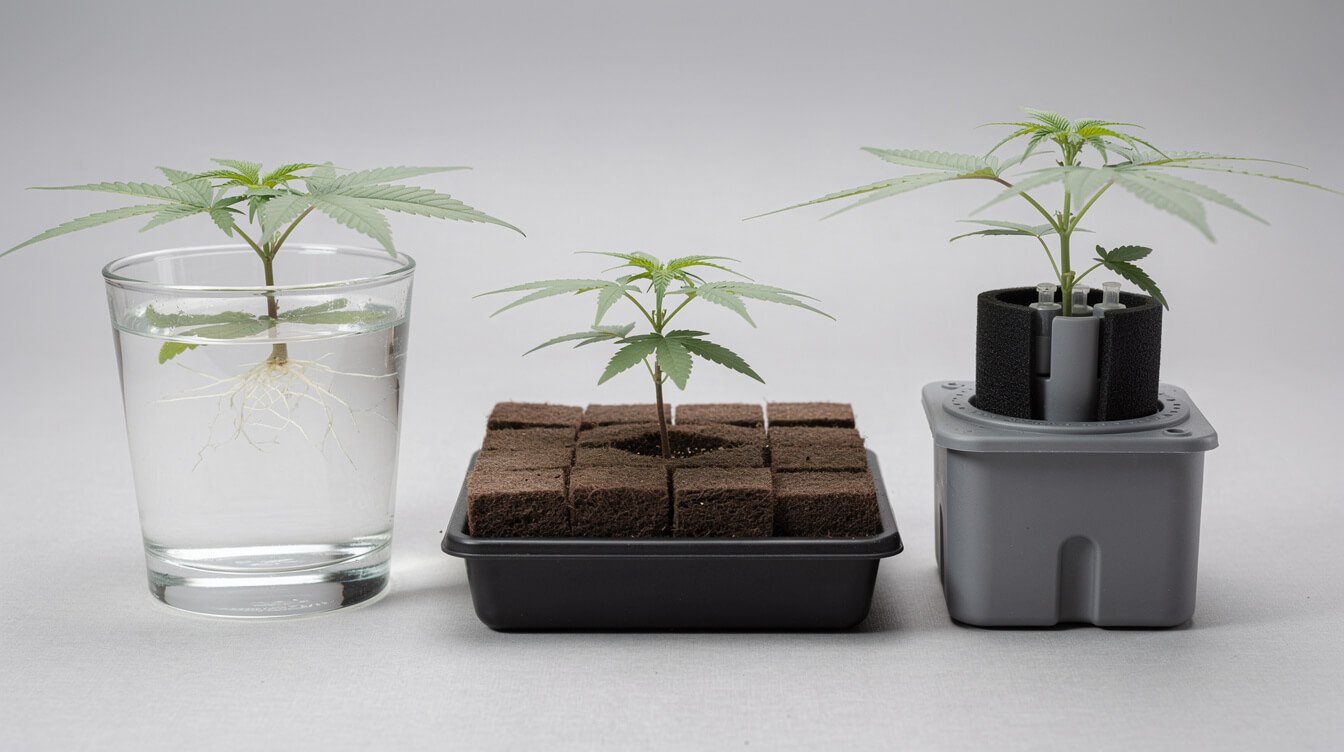
All three methods work. The differences are cost, mess, and how forgiving they are for a first-timer.
- Water: Free, dead simple — just a cup of clean water, changed every day or two so it doesn’t stagnate. Great for a first attempt or a single plant. Downside: roots grown in water are more fragile and take a short adjustment period once you move them to soil.
- Rooting cubes (rockwool or peat): The most common choice for a reason — cheap, reusable-adjacent setup, and the cube transplants directly into soil with no root disturbance. Slightly more setup than water, but the most forgiving overall.
- Aeroponic cloner: A small reservoir that mists the cut ends continuously. Fastest rooting and the best success rate once you’ve got it dialed in, but it’s an extra piece of equipment, needs cleaning between uses, and has more that can go wrong (pump failure, algae buildup) if you’re not checking it.
For one or two plants, water or rooting cubes are the honest recommendation — an aeroponic cloner earns its cost when you’re taking a dozen-plus cuttings at once, not for a single-plant home grow.
On cost: a cup of water is free, a bag of rooting cubes runs somewhere in the $5-10 range and lasts for dozens of clones, and a small aeroponic cloner is typically $40-100. None of that is a real barrier to entry — the honest advice for a first attempt is to start with the free method, see how it goes, and only upgrade if you’re taking enough cuttings often enough that the convenience is worth paying for.
GanjaTech, weekly
Cannabis, explained. In your inbox.
One email a week: the clearest explainers, honest gear picks, and what the science actually says. 21+ only. No spam, unsubscribe anytime.
Caring for your clones until they root
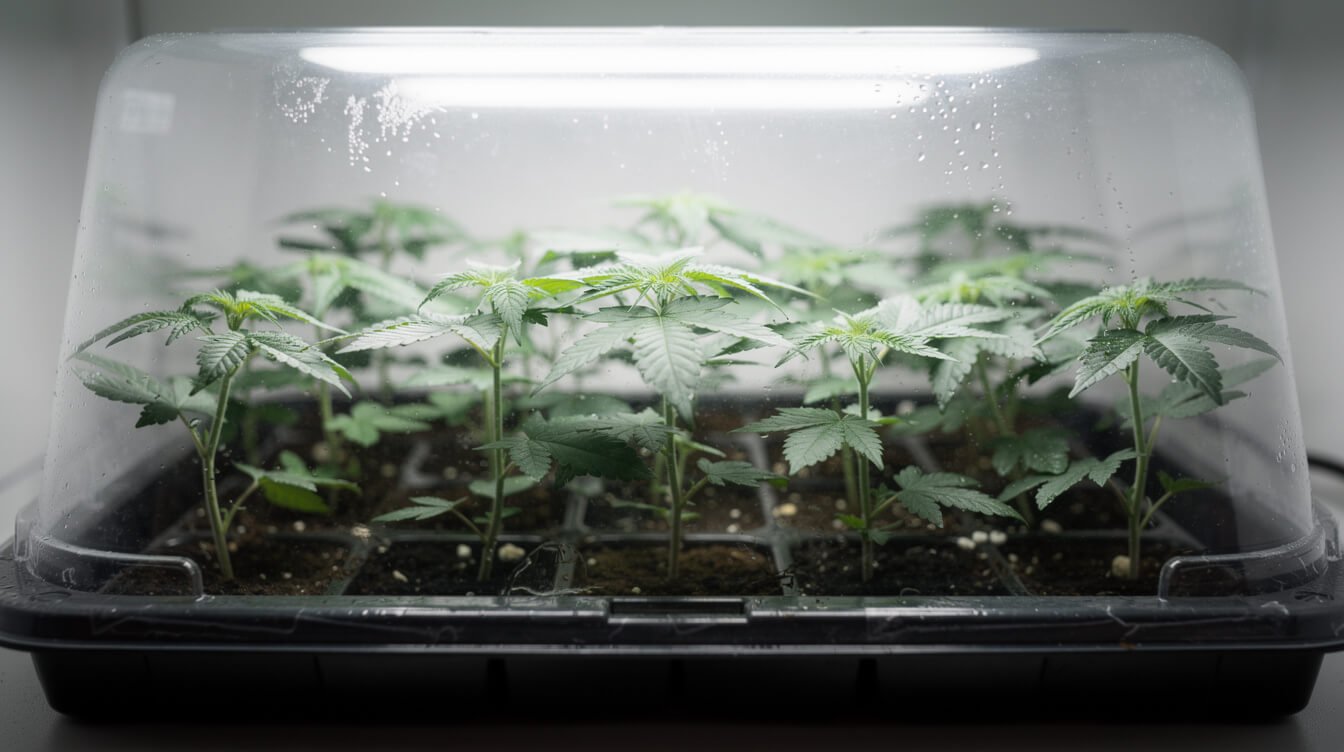
A rootless cutting can only take up water through its leaves, so the job for the next one to two weeks is keeping humidity high and stress low:
- Temperature: 72-77°F is the sweet spot. Below 70°F, rooting slows noticeably.
- Humidity: 70-80% under the dome. Mist the leaves once or twice a day if you’re not using an automated system, and crack the dome briefly if you see condensation pooling — that’s a sign mold risk is climbing.
- Light: Gentle is fine. Clones don’t need intense light while rooting; a modest LED or even a sunny indirect windowsill spot works. Save the high-intensity light for after they’ve rooted and are actively growing.
- Feeding: Skip nutrients entirely for the first week or two. A rootless cutting can’t use them, and strong nutrient solution can actually burn the cut end. Plain water only, until you see real root growth.
- Hardening off: Once roots are visible, gradually reduce humidity over 3-5 days — crack the dome a little more each day — before transplanting. Moving straight from a humidity dome to open air will stress the plant.
Common cloning mistakes (and how to fix them)
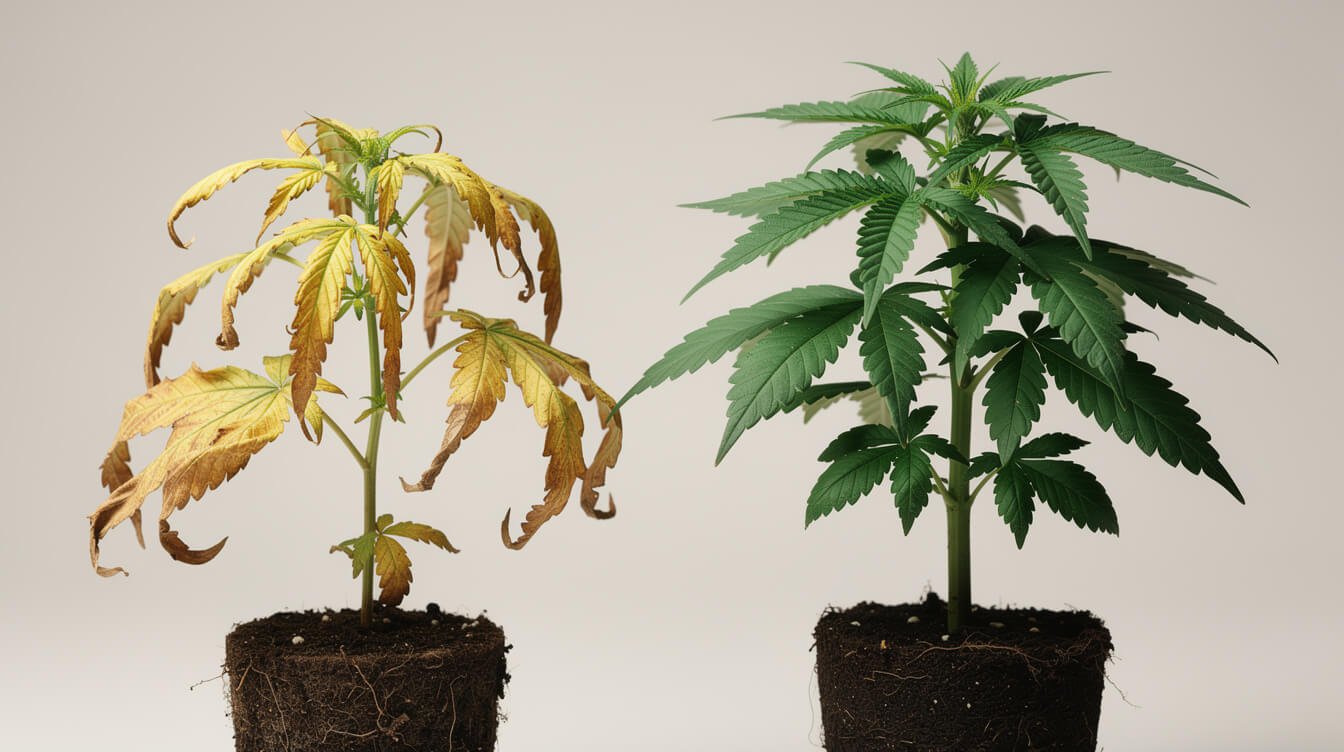
Most failed clones come down to one of these:
- Taking cuttings from a flowering or stressed plant. Clones root far more reliably from a plant that’s actively vegetating. If you only have a flowering plant available, you can still clone it — expect slower rooting and a few weeks of odd, rounded “re-vegging” growth before it looks normal again.
- Overwatering the rooting medium. Soggy cubes cut off oxygen to the cutting and invite rot. The medium should stay moist, not saturated — squeeze a rockwool cube and it shouldn’t drip.
- Skipping sterilization. A dirty blade is one of the most common ways pests or pathogens jump from a mother plant to every clone taken from her. Wipe your tool between cuttings, not just at the start.
- Too much light, too soon. High-intensity light on a rootless cutting causes it to lose water faster than it can compensate for. Keep it gentle until roots are established.
- Giving up too early. Some cultivars are just slow rooters. If a cutting still looks green and firm (not mushy or crispy) after two weeks with no roots yet, it’s often still viable — give it another week before pulling the plug.
- Not labeling. If you’re cloning more than one cultivar at once, label immediately. Every clone looks identical to every other clone until it’s flowering.
- Temperature swings. A rooting zone that drops into the 60s overnight (common near a drafty window) will stall root development even if daytime temps look fine. Keep the dome somewhere with a stable temperature around the clock, not just during the day.
Frequently asked questions
How long does it take a cannabis clone to root?
Typically 7-14 days, though some cultivars take up to three weeks. Cool room temperatures or low humidity will stretch that timeline further.
Can you clone a plant that’s already flowering?
Yes, though it’s not ideal. Take the cutting from the lower part of the plant, pinch off any bud sites, and expect slower rooting plus a stretch of unusual “re-vegetative” growth (rounder, single-bladed leaves) before it grows normally again. Some growers do this intentionally — it’s called monster cropping — but it’s an advanced technique, not a beginner starting point.
Do clones inherit problems from the mother plant?
Yes. Pests, nutrient deficiencies, and plant viroids can all transfer from a mother plant to her clones. Only take cuttings from a mother that looks genuinely healthy, and quarantine new clones away from other plants for the first week or two if you’re at all unsure.
Is a clone weaker than a plant grown from seed?
No — genetically it’s identical to the mother, not a “weaker” copy. What can vary is vigor if the mother herself wasn’t especially healthy, which is why mother-plant selection matters more than the cloning technique itself.
Can you clone an autoflower?
Technically yes, but it’s rarely worth it. Autoflowering plants move through their life cycle on an internal timer set from the moment the seed sprouts, not in response to light changes — so a clone taken from an autoflower carries that same clock with it. It’ll flower on roughly the same schedule the mother was already on, giving you a small plant with a short runway instead of a fresh full-sized one. Photoperiod cultivars, which flower based on light schedule rather than age, are the better choice if cloning is part of your plan.
How many clones can you take from one mother plant?
More than most beginners expect — a well-established, healthy mother in active vegetative growth can supply dozens of cuttings over her lifetime, as long as she’s given time to recover leaf mass between sessions. The limiting factor usually isn’t the plant’s capacity, it’s your space and light for keeping that many cuttings alive at once.
Is it legal to clone a cannabis plant?
That depends entirely on where you live. Home cultivation laws — including whether clones and plant counts are treated differently from seeds — vary widely by state and country, and some places don’t allow home growing at all. Check your local and state law before growing anything, and only take cuttings from a plant you already legally own and possess.
Final thoughts
Cloning is one of the more satisfying skills in home growing, mostly because it removes so much guesswork — you already know what the plant is going to do, because you’ve grown it before. Start with one or two cuttings using the simplest method (water or a rooting cube), get comfortable with the timing, and it stops feeling fragile fast.
If you’re setting up a space for clones and mother plants alike, our guide to LED grow lights for a single plant and our complete indoor growing guide cover the rest of the setup. And once harvest rolls around, don’t skip the step that actually protects your work — curing it properly matters as much as how you grew it.
Curious what else is worth reading before your next grow? Browse more guides and culture gear — always 21+, always legal-first, never a shortcut on the parts that matter.
Before you go
Get the next explainer first
We publish a new one every day. The best of the week, plus what's new in the shop, lands in one short email.