Indica vs Hybrid: The Honest Answer (Not Just the Label)
If you’ve stood in front of a dispensary menu trying to decide between an indica and a hybrid, here’s the honest answer: the label on the jar tells you less than you think. Indica and hybrid started out as plant-shape categories, not effect categories — and most of what determines how a given batch actually feels comes down to its chemotype (cannabinoid and terpene profile), not which box it’s filed under.
That’s not a dodge. It’s the actual, current, science-informed answer — and it’s more useful than “indica means sleepy, hybrid means balanced” once you know how to use it. This guide gives you the quick answer first, then the nuance most sites skip: where these labels came from, why they don’t guarantee an effect, what people actually report reaching for each one, and how to pick something that matches what you want tonight — not just what the sticker promises.
Quick answer: indica vs hybrid
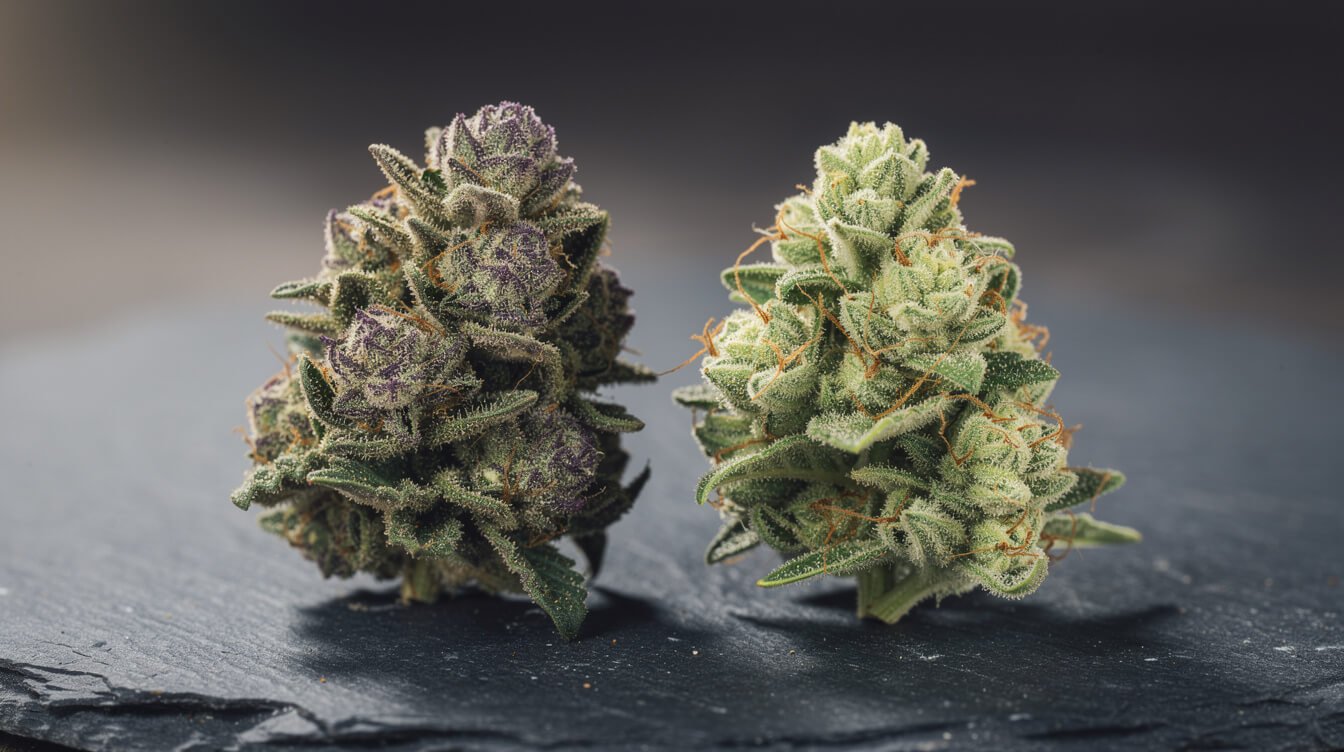
Indica historically refers to short, bushy cannabis plants originally from regions like Afghanistan and Pakistan — bred for a compact grow, a shorter flowering window, and dense, resin-heavy flower. Hybrid just means a cross between an indica-type and a sativa-type plant, which today describes the overwhelming majority of everything actually sold. Almost nothing on a modern menu is a “pure” anything anymore; even most “landrace” varieties in circulation have been crossed at some point.
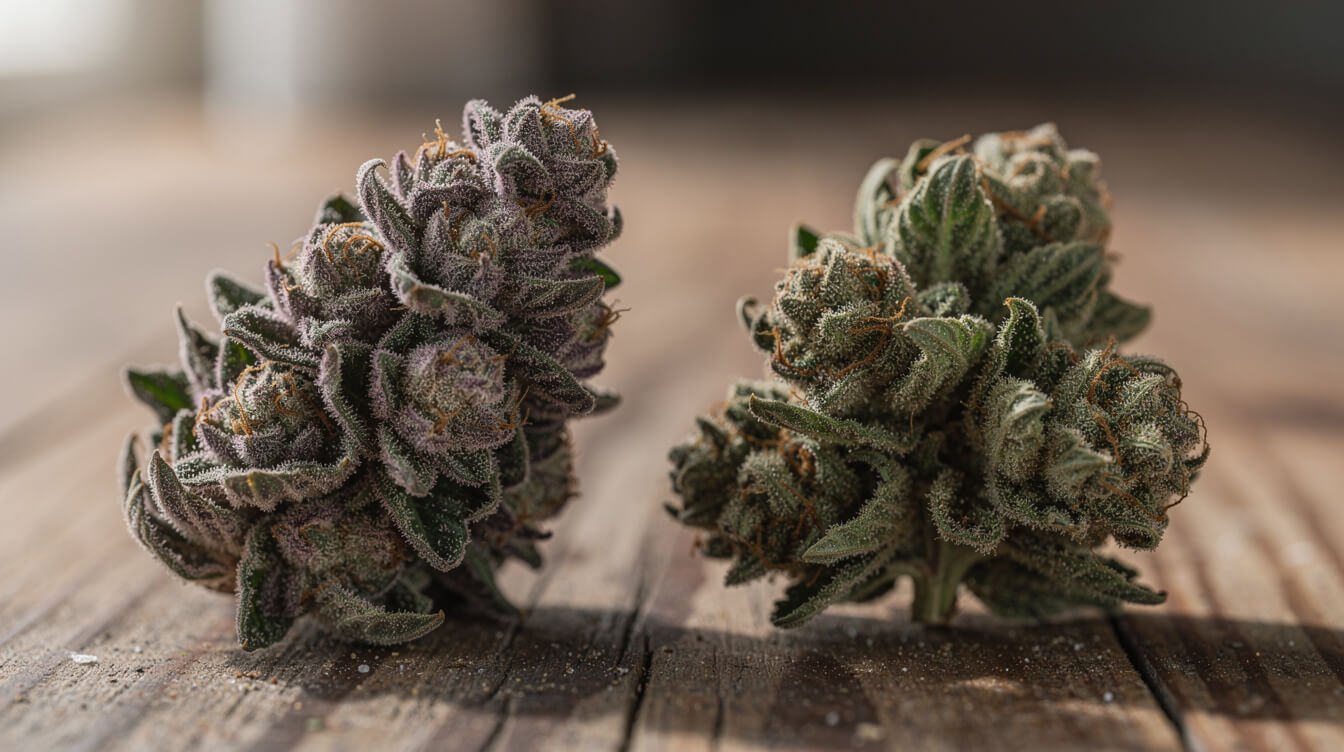
The mood claims layered on top of these categories — indica for calm and sleep, hybrid for “balance” or “versatility” — are marketing shorthand, not a lab result. Two cultivars both labeled “indica” can have completely different terpene profiles and feel nothing alike, and a “hybrid” can lean so heavily toward one parent that it behaves almost exactly like a straight indica.
If you want a single working rule to take away from this article, it’s this: read the chemotype — the THC/CBD percentages and terpene list — before you read the indica/hybrid label. The label tells you about the plant’s ancestry and how it was bred. The chemotype tells you far more about the actual experience you’re likely to have.
Curious how this plays out beyond buying? Our guide to picking beginner-friendly strains to grow walks through the same “look past the label” logic for home growers, not just shoppers.
What the labels actually mean today — genetics vs. marketing
The indica/sativa system dates back to 18th-century botany. Carl Linnaeus described Cannabis sativa in 1753; three decades later, Jean-Baptiste Lamarck classified a second, visibly different plant as Cannabis indica — shorter, denser, and broader-leaved than the tall, narrow-leafed sativa plants already known in Europe. This was a description of plant morphology: leaf width, height, branching, flowering time. It said nothing about cannabinoid content or subjective effect, because reliable chemical testing for THC and CBD didn’t exist yet and wouldn’t for nearly two centuries.
“Hybrid,” by contrast, isn’t a botanical category at all — it’s just the label for any cross between the two. Since cannabis breeding has been happening informally and commercially for decades, and since almost every commercially available cultivar today descends from multiple crosses, “hybrid” ends up describing the vast majority of the market. A cultivar sold as “80% indica” and one sold as “60% sativa hybrid” might, several generations back, share more of the same ancestors than either shares with a true landrace plant.
This matters because breeders haven’t been selecting for “indica-ness” or “sativa-ness” in a botanical sense for a long time. They’ve been selecting for potency, yield, flavor, resistance to mold, and flowering speed — traits that have nothing intrinsic to do with the original morphological categories. The indica/sativa/hybrid label survives today mostly because it’s familiar shorthand that customers expect on a menu, not because it’s a scientifically rigorous predictor of anything.
What’s changed more recently is that growers and testing labs can now actually measure the plant’s chemistry directly. That’s driving a slow shift — among more serious cultivators, testing labs, and a growing number of dispensaries — toward chemotype labeling: grouping cannabis by cannabinoid ratio (THC-dominant, balanced THC:CBD, CBD-dominant) and dominant terpenes, instead of by plant ancestry alone. It’s a more honest, more predictive system. It just hasn’t fully replaced the old one yet, so expect to see both side by side for years to come.
Why the label doesn’t guarantee the effect
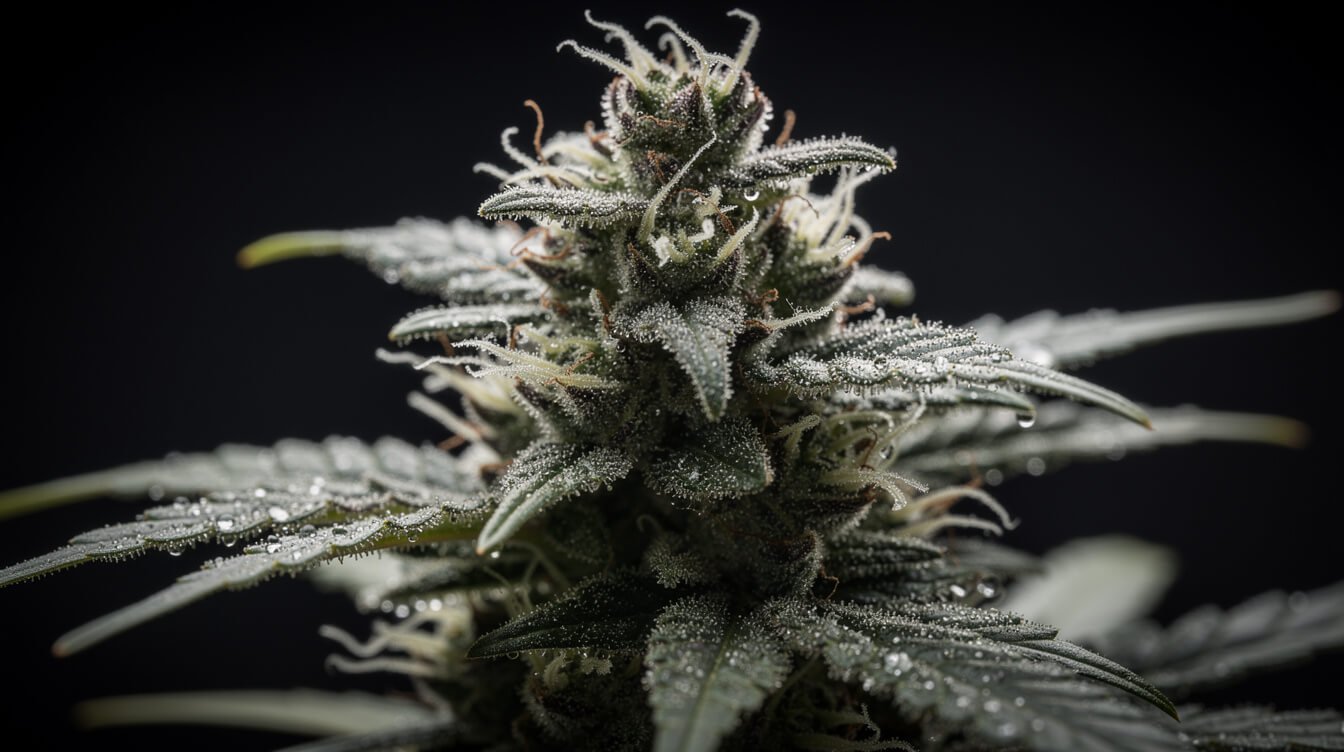
Here’s the part most menus and most competing articles skip entirely: terpenes — the aromatic compounds that give cannabis its smell — are doing a lot of the work that gets credited to “indica” or “hybrid.” Myrcene, for instance, shows up heavily in a lot of cultivars people describe as relaxing, and it carries an earthy, musky, almost clove-like aroma. Limonene, common in cultivars people describe as more energizing or uplifting, smells bright and citrusy. Linalool, floral and a little like lavender, also turns up frequently in calming reports.
The catch is that myrcene-heavy and limonene-heavy plants both exist across every category — indica, sativa, and hybrid alike. A cultivar’s terpene profile tracks noticeably more closely with the reported effect than its ancestry label does. Some researchers describe this interaction between cannabinoids and terpenes as the “entourage effect” — the theory that the whole chemical profile of a cultivar, not THC alone, shapes the experience. It’s a promising area of study, but it’s still an active one; treat it as a reasonable working theory, not settled science.
Cannabinoid ratio adds another layer entirely. A hybrid bred for something close to a 1:1 THC:CBD ratio is going to feel very different from a hybrid bred for 28% THC and almost no CBD — even though both wear the identical “hybrid” sticker on the jar. And your own biology stacks on top of all of that: tolerance, body chemistry, what and when you last ate, hydration, and how frequently you use cannabis all shift how any given chemotype actually hits you on a given day.
None of this is a knock on the indica/hybrid system as a rough starting filter — it’s a reasonable first pass. It’s just not the whole picture, and treating it as gospel is how people end up disappointed by a “relaxing indica” that leaves them wired instead.
There’s also a practical, non-chemical factor worth naming: expectation. If you buy something labeled “indica” expecting to feel sleepy, you’re primed to notice sedation and downplay alertness — and the reverse is true with “sativa” or “energizing hybrid” labeling. That doesn’t mean the chemistry doesn’t matter; it clearly does. It means the label itself can shape your perception on top of whatever the plant is actually doing, which is one more reason to lean on the chemotype and your own notes rather than the category name alone.
The honest rule: chemotype and terpene profile predict the actual experience better than the indica/sativa/hybrid label does. The label is a hint, not a guarantee.
When people reach for indica

With every caveat above firmly in mind, here’s what’s commonly reported — not guaranteed, not medically confirmed — by people who tend to gravitate toward indica-labeled cannabis:
- Evening wind-down. Indica-leaning cultivars are the most frequently reported choice for settling in after work or transitioning toward bedtime.
- Body-forward relaxation. Users often describe a heavier, more physical sensation — sometimes called a “body high” — compared to a more cerebral one.
- A slower, low-key evening. Some people reach for indica-type flower specifically to pair with a quiet night at home rather than a social one.
- Comfort after a long day. Reported use often clusters around unwinding physically and mentally, rather than energizing or focusing.
These are self-reported patterns pulled from how people describe their own experience — not clinical outcomes, and not a substitute for medical guidance. Cannabis affects people very differently based on individual biology, tolerance, and dose. If you’re considering cannabis to manage a specific health condition, that conversation belongs with your doctor, not a blog post.
Practically speaking: if you’re shopping the indica shelf, don’t stop at the category name. Check the THC percentage first, and if a terpene list is available, look for myrcene or linalool appearing near the top — those two show up disproportionately in cultivars people describe as calming, more reliably than the indica label alone.
When people reach for hybrid

Hybrid is the biggest, vaguest bucket on any menu — which is exactly why it needs the most label-reading, not the least. Broadly, people choose hybrid cultivars when they want:
- Something in between. A blend of the “up” effects associated with sativa lineage and the “down” effects associated with indica lineage — useful for a session that starts productive and can wind down comfortably by evening.
- Versatility. One jar that works reasonably well across different settings — a social afternoon, a creative task, a relaxed evening — rather than something purpose-built for one mood.
- A specific, well-known cross. Many of the most talked-about, name-recognized cultivars in cannabis culture right now are hybrids bred deliberately for a particular flavor or effect combination — not for fitting neatly into “indica” or “sativa” at all.
- Daytime-friendly options with some body effect. A hybrid leaning slightly sativa-dominant can offer a bit of the physical relaxation associated with indica without being fully sedating.
The catch: “hybrid” alone says almost nothing about ratio or lean. A 70/30 indica-dominant hybrid and a 70/30 sativa-dominant hybrid are both, technically, “hybrid” — and they can feel about as different from each other as a straight indica and a straight sativa would. If a menu or budtender just says “hybrid” with no lineage, percentage lean, or chemotype listed, ask. If the product has a COA (certificate of analysis) available, that’s the most reliable source of actual information.
How to actually choose — look past the label
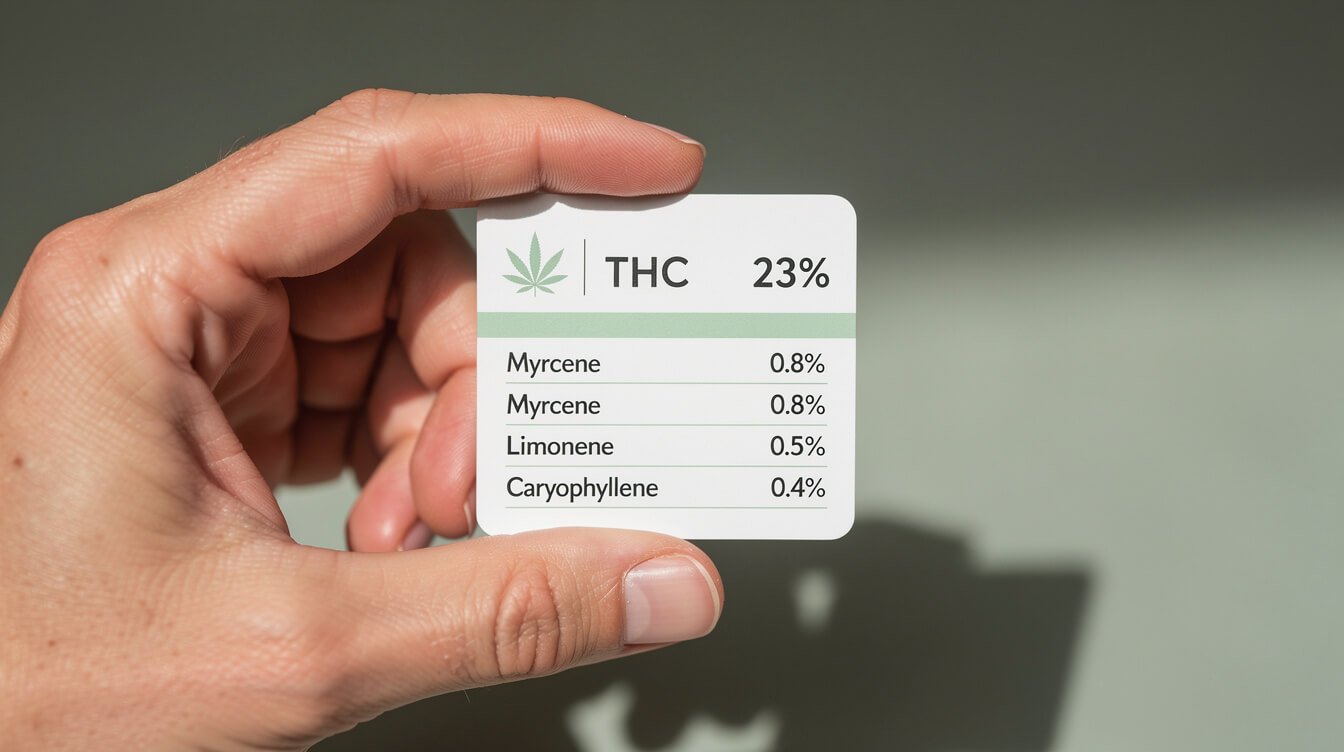
Here’s a practical framework that works noticeably better than the indica-or-hybrid coin flip:
- Start with intent, not category. What do you actually want out of this session — winding down, staying social, getting through a slow afternoon, sleeping better? Decide that before you decide indica or hybrid.
- Check THC percentage. Higher isn’t automatically better, and it isn’t tied to category. If you’re newer to cannabis or more sensitive, a lower-potency option in either category will give you a more predictable experience than a high-THC one that happens to wear the “right” label.
- Read the terpene list, if it’s available. Myrcene and linalool lean toward relaxing, body-forward reports; limonene and pinene lean toward more energizing, uplifted ones. This is a meaningfully better predictor of experience than the indica/hybrid label by itself.
- Start low, go slow. Especially with anything unfamiliar — a new cultivar, a new dispensary, a new format. You can always use more later; you can’t undo using too much.
- Keep notes. The specific cultivar name, chemotype, and terpene profile that worked well for you last time is far more useful going forward than remembering “I liked an indica once.” Cannabis menus change constantly; your notes don’t.
- Ask before you buy. A good budtender can usually tell you the terpene profile and lineage of a cultivar even when the menu board doesn’t list it — it’s worth the extra thirty seconds, especially for a new purchase.
None of this requires becoming a chemistry expert. It’s the same shift restaurants went through when menus started listing ingredients instead of just dish names — a little more information up front, a lot fewer surprises later.
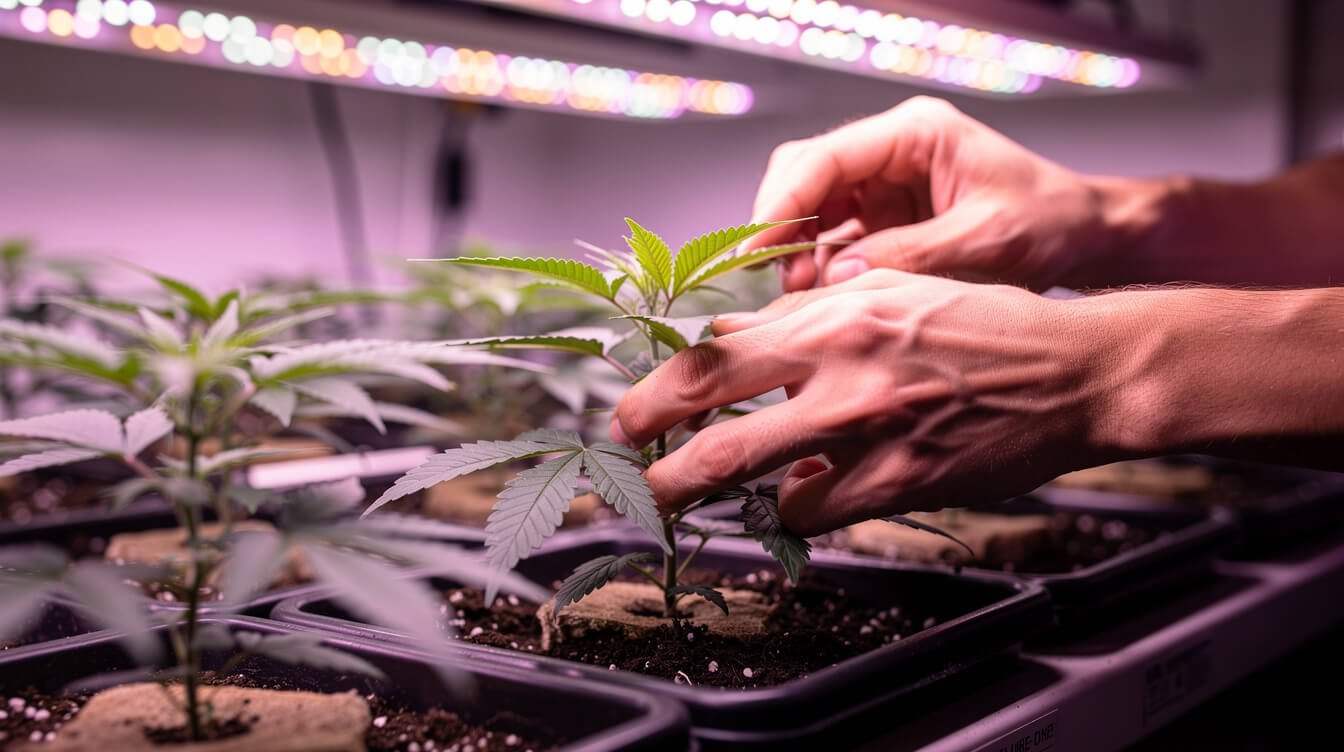
If you’re growing your own rather than buying at a dispensary, the same “look at the actual traits, not just the category” logic applies just as much to seed and clone selection. Our indoor growing walkthrough and beginner strain guide both go deeper on choosing cultivars by trait rather than by label alone.
Frequently asked questions

Is hybrid stronger than indica?
Not inherently. Strength, or potency, is a function of THC percentage and your own tolerance — not category. A high-THC indica can be far stronger in practice than a low-THC hybrid, and vice versa. Always check the lab-tested percentage on the label rather than assuming based on the category name.
Does hybrid have more or less THC than indica?
Neither category has a fixed THC range — both indica and hybrid cultivars span from low-THC options to some of the highest-THC products on the shelf. The category name tells you almost nothing about potency by itself; the COA or product label does.
Can a hybrid feel more like an indica, or vice versa?
Yes, and it’s genuinely common. Terms like “indica-dominant hybrid” and “sativa-dominant hybrid” exist precisely because breeders lean a cross toward one parent’s traits. A 90/10 indica-dominant hybrid can feel much closer to a straight indica than to a balanced, 50/50 hybrid.
Is CBD vs. THC content different between indica and hybrid cultivars?
Not by category — cannabinoid ratio is bred independently of the indica/sativa/hybrid classification entirely. You’ll find CBD-forward options across every category. If cannabinoid ratio matters most to your decision, our CBD vs. THC breakdown covers how those two cannabinoids actually differ in practice.
Should I trust the indica/hybrid label at all?
As a rough starting filter, sure — it’s not meaningless, and it can narrow a large menu quickly. Just don’t treat it as a guarantee of effect. Chemotype and terpene profile are the more reliable signal once you know how to read them, and they’re worth the extra thirty seconds of label-checking.
What does “indica-dominant hybrid” actually mean?
It means the cross leans toward the indica parent’s traits — usually expressed as a rough percentage, like 70/30 or 80/20 — rather than being an even split. It’s still a hybrid, not a pure indica, but breeders and dispensaries use “dominant” language to signal which direction the effect and morphology are more likely to lean. Even so, treat the percentage as a lean, not a promise, for the same reasons covered above.
Final thoughts
The indica-vs-hybrid question doesn’t really have a single winner, because it isn’t really a competition — it’s a starting filter that works best once you understand its limits. Use the category label to narrow the shelf down to something reasonable, then use the chemotype, the terpene profile, and your own notes from past experience to actually make the pick. That’s the honest answer, and over time it’ll serve you far better than memorizing which category is supposed to make you sleepy.
Cannabis laws vary significantly by state and country, and this article is educational only — always confirm what’s legal where you are, and talk to a doctor about anything health-related. Want more straight explainers like this one? Browse the rest of the GanjaTech blog, or check out our culture merch if you’d rather wear the plant knowledge than just read about it.