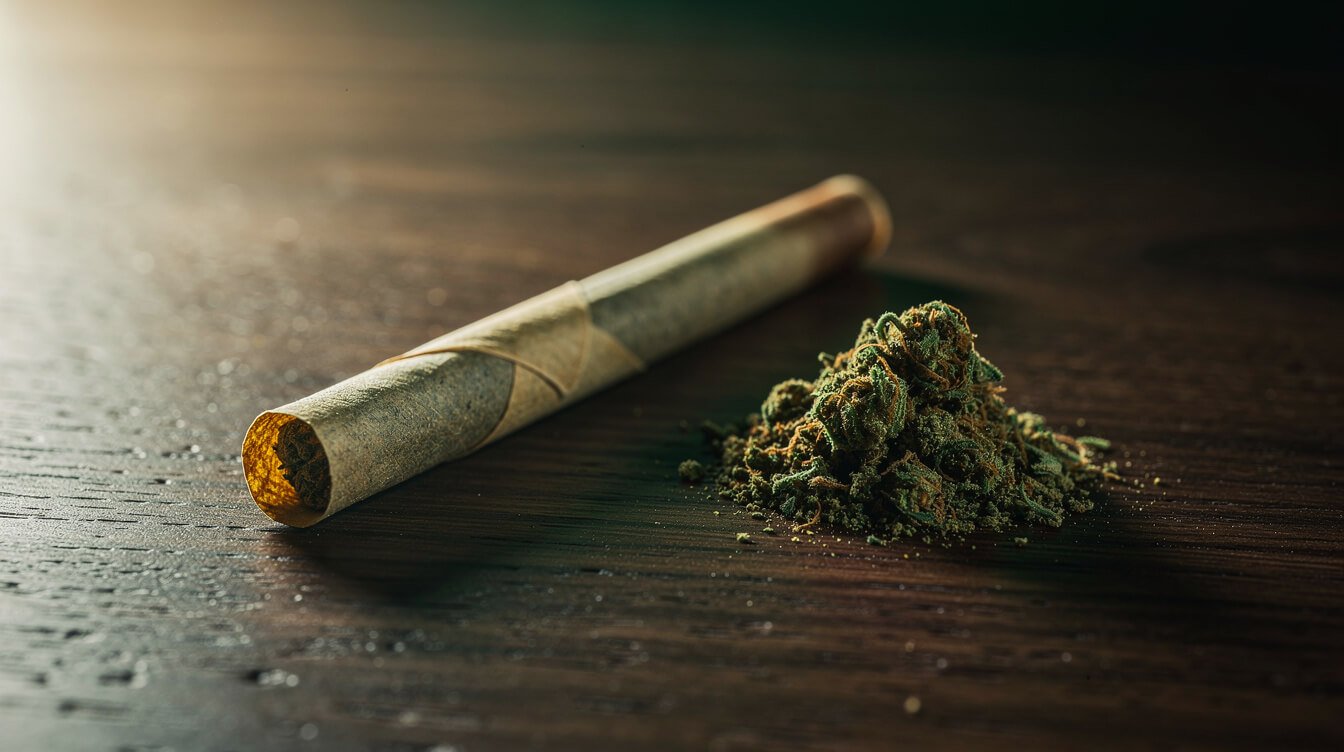
How to Roll a Blunt: The Honest Step-by-Step Guide
If you’ve only ever rolled a joint, a blunt is a different animal — bigger paper, slower burn, and a wrap that usually isn’t paper at all. How to roll a blunt comes down to five real steps (grind, prep, fill, roll, seal), but the part most guides skip is what that wrap is actually made of and what that means for you. Here’s the honest version, technique and trade-offs both.
By the end of this guide, you’ll know how to pick a wrap, grind and pack it right, fix the mistakes that ruin a first attempt, and decide honestly whether a blunt or a joint is the better call for tonight.
What is a blunt, really?
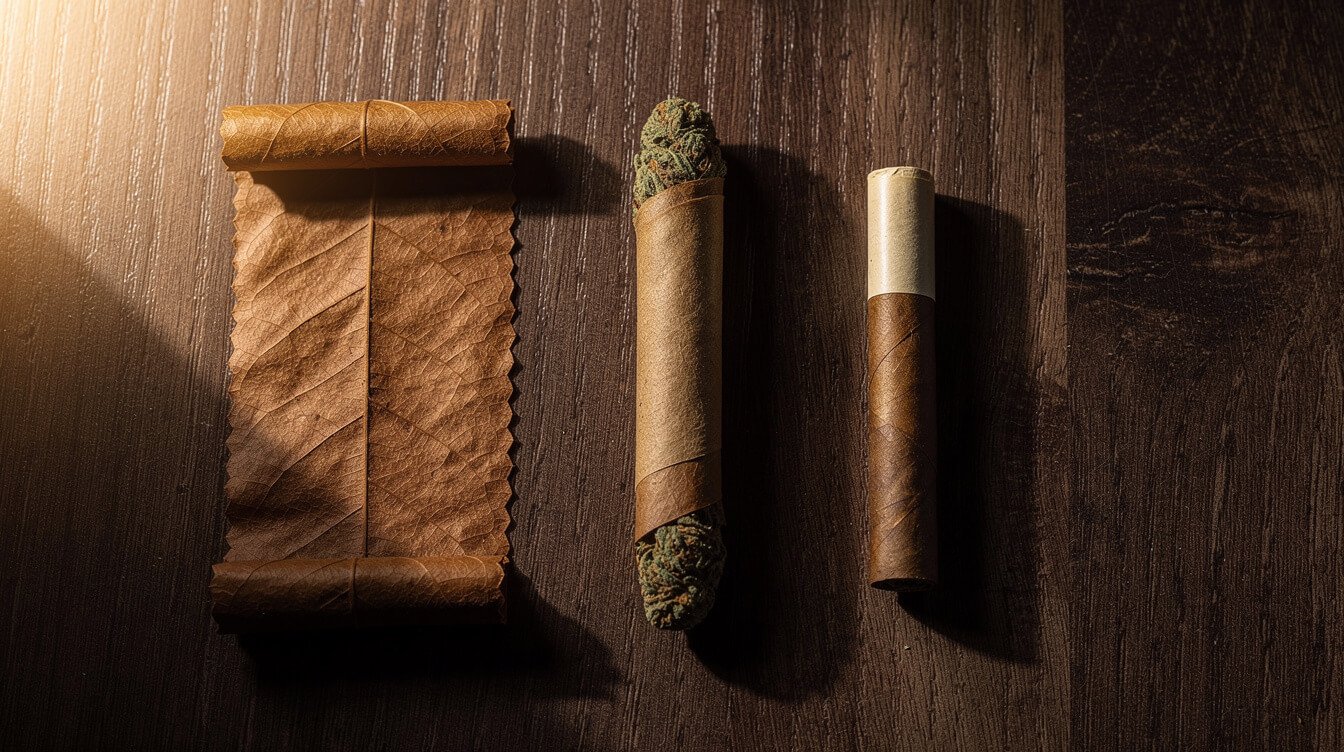
A blunt is ground cannabis rolled in a tobacco-leaf wrap — traditionally an emptied cigar or cigarillo, though pre-made wraps are common now too. That’s the whole distinction from a joint (thin rolling paper, no tobacco) and a spliff (rolling paper with cannabis and loose tobacco mixed together). Three different products, three different experiences, one plant in common.
The thicker wrap is the whole story. It burns slower than rolling paper, which is why a blunt outlasts a joint of the same amount of flower — and it’s also why blunts became the go-to for sharing a smoke across a group rather than solo.
The trade-off, and the thing most rolling guides leave out entirely: a traditional blunt wrap is tobacco leaf. That means nicotine, on top of whatever the cannabis itself does. More on exactly what that means — and the tobacco-free options — in the wrap section below.
Why blunts actually burn slower than joints
It’s not folklore — it’s surface area and material. A rolling paper is thin and porous, so it draws air (and burns) quickly along its whole length. A blunt wrap is a thicker leaf, often with some natural oils and sugars in it depending on the tobacco, which slows the burn rate the same way a thick cut of wood smolders longer than a handful of kindling. Combine that with a typically larger diameter — more packed material per inch of length — and you get a smoke that can run two to three times longer than a joint rolled from the same amount of flower.
What you need before you start
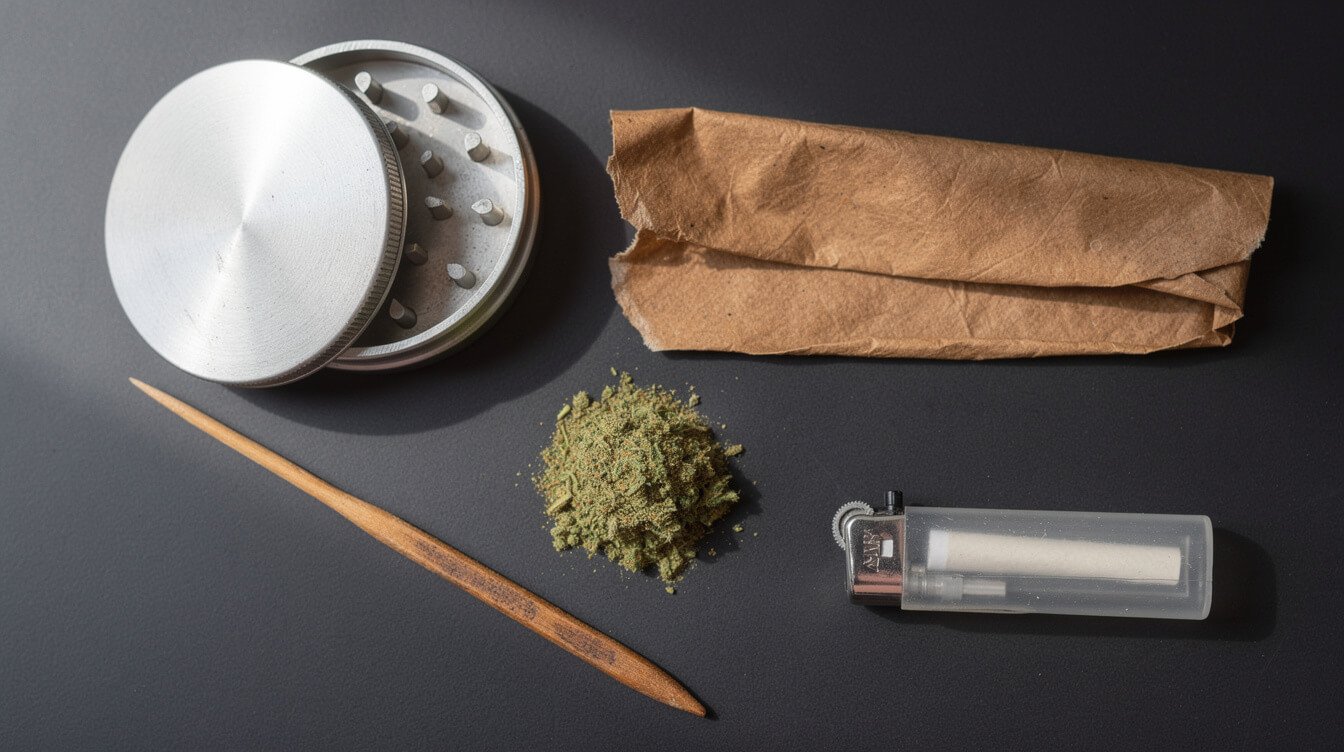
The list is short. Here’s what actually matters and what’s optional:
- A wrap. A pre-made blunt wrap, or a cigar/cigarillo you’ll split and empty yourself.
- Ground cannabis. Roughly 1–2 grams, depending on the wrap size — a standard cigarillo wrap holds about a gram comfortably; a full cigar-sized wrap can take two or more.
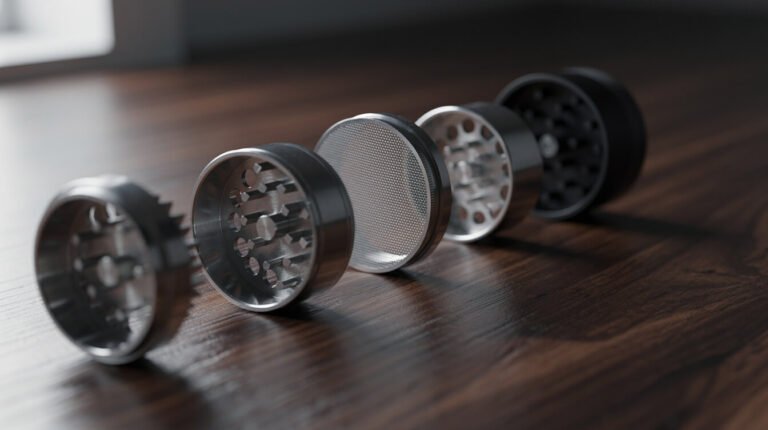
- A grinder. Not optional if you want an even burn. Hand-shredded flower breaks unevenly and knocks trichomes off in the process — see our guide to picking a weed grinder if you don’t have one yet.
- A poking tool. A pen, chopstick, or dab tool to pack and shape the blunt as you go. Genuinely useful, not a gimmick.
- A lighter. Butane, not matches — matches add a sulfur hit to the first draw that a lighter doesn’t.
- A rolling tray (optional). Keeps ground flower from rolling off the table mid-session, nothing more.
One gear note worth flagging: a stale, dried-out wrap is the single most common reason a first attempt falls apart. Wraps kept in a hot car or an open bag for weeks lose the pliability that makes them roll instead of crack. Keep unopened wraps somewhere cool and sealed, and if one feels stiff or brittle before you even start, a slightly heavier hand with the moisture step (small amounts, added gradually) can usually bring it back.
How to roll a blunt, step by step
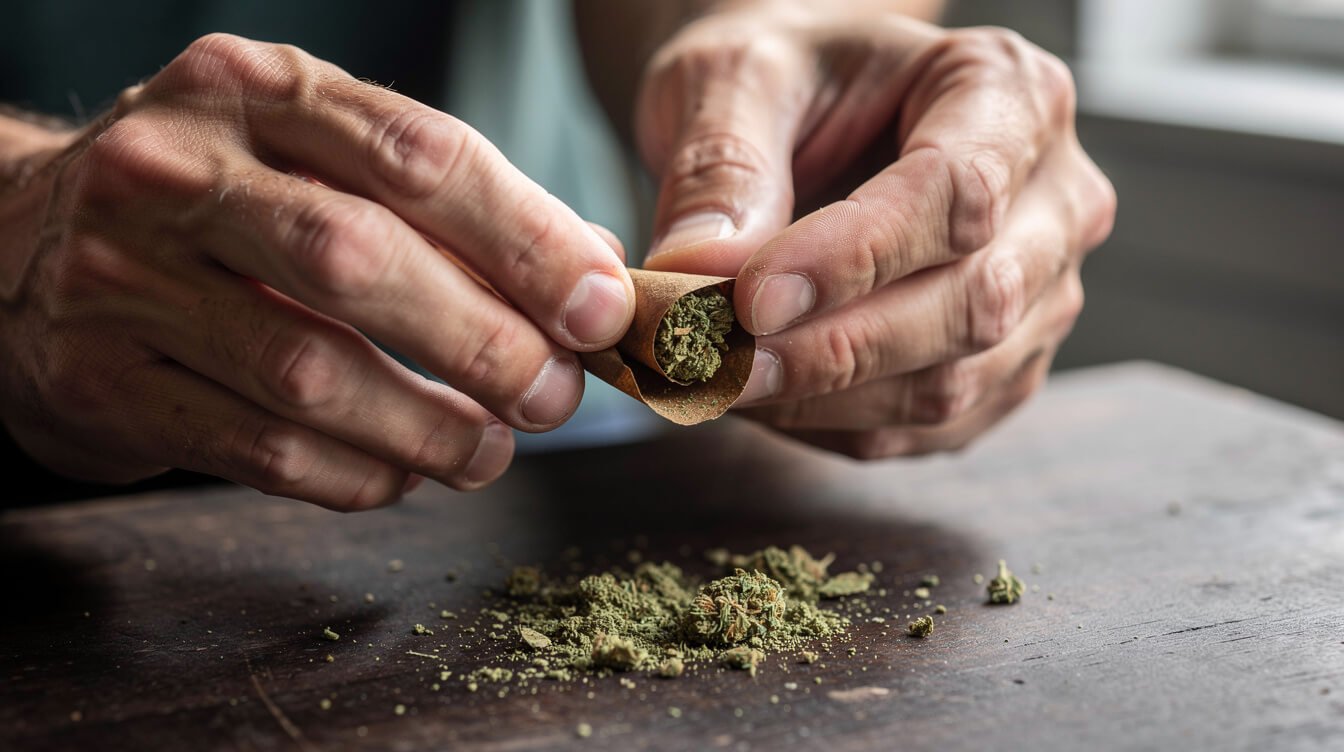
1. Grind your cannabis to a medium consistency
Too fine and it burns hot and fast, ashing out before you’re halfway through. Too chunky and the burn is uneven — one side canoes ahead while the other barely catches. A medium, even grind is what gets you the slow, steady burn a blunt is supposed to have.
2. Split and empty the wrap (or open a pre-made one)
If you’re using a cigar or cigarillo, run a blade lengthwise down the seam and gently remove the tobacco filler, leaving the outer leaf intact. Pre-made blunt wraps skip this step entirely — just unroll it flat.
3. Moisten the wrap
A light lick or a fingertip of water along the inside edge makes the leaf pliable so it doesn’t crack as you roll. Light touch here — soak it and the wrap turns to mush instead of sealing.
4. Fill it evenly
Lay the wrap flat, create a shallow trough down the center, and distribute your ground cannabis along the length in small pinches rather than one dump in the middle. Even distribution now is what prevents the lumpy, uneven burn later.
5. Roll and shape
Using your thumbs and index fingers, roll the wrap back and forth over the fill to pack and shape it into a cylinder before you start sealing — this is the step people skip, and it’s the difference between a tight, even blunt and a loose one that falls apart on the second hit. Your poking tool helps compact the ends here.
6. Seal the seam
Run your tongue (or a wet fingertip) along the exposed edge, then press and roll it closed. Hold light pressure for a few seconds so the leaf actually bonds to itself.
7. Dry and finish
A freshly sealed blunt is damp along the seam. Run a lighter just outside the paper — not touching it — for a few seconds while slowly rotating, to dry the seal without scorching it. This step is what keeps it from unraveling mid-smoke.
Cigar wraps vs. tobacco-free wraps: the honest trade-off
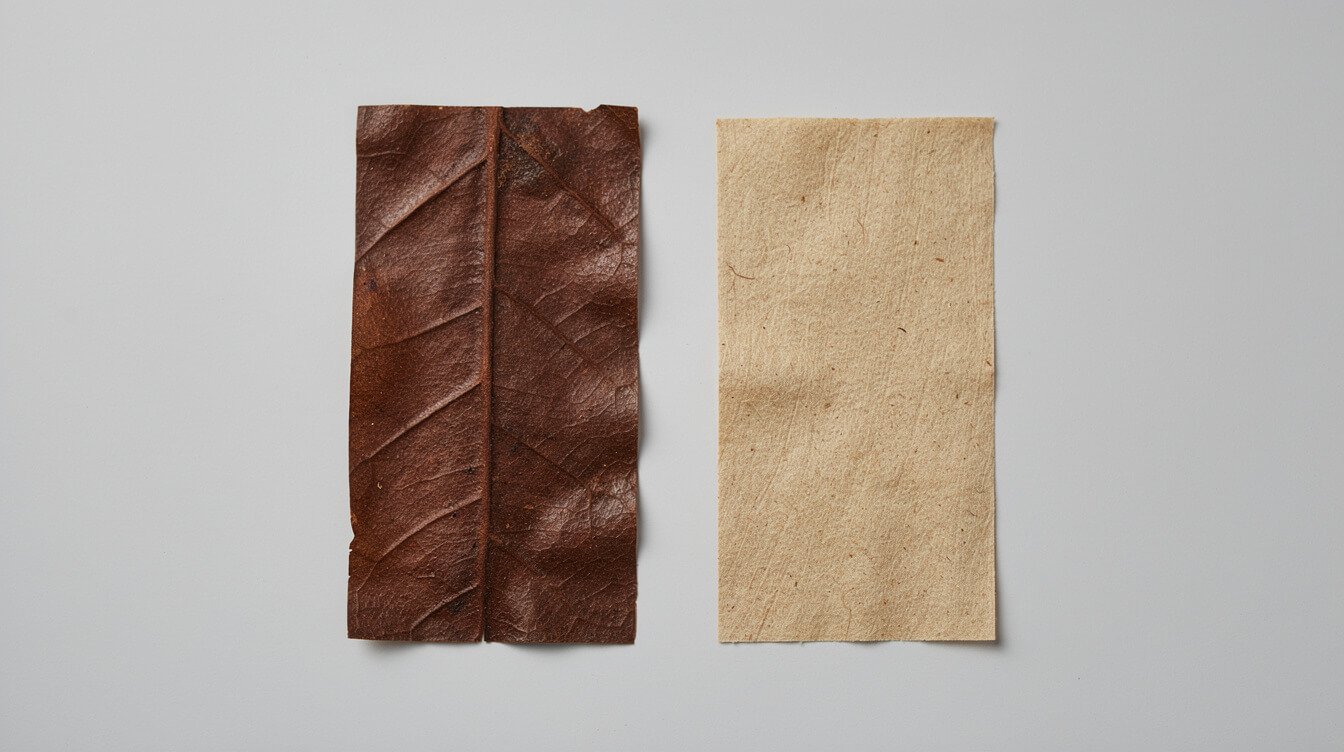
This is the part competitor guides tend to skip, and it matters. A traditional cigar or cigarillo wrap is tobacco leaf — which means every blunt rolled in one adds nicotine to the session, on top of the cannabis. Nicotine is its own stimulant: some people feel it as a light head rush or a faster heartbeat, especially if they’re not used to it or they’re rolling with a full cigar-sized wrap rather than a smaller cigarillo.
That’s not a reason to avoid blunts — plenty of people enjoy the tobacco flavor and the slower burn it produces. It’s a reason to know what you’re actually smoking. If you’d rather keep the session cannabis-only, hemp wraps and palm-leaf wraps (like King Palm cones) give you the same thick, slow-burning format without the tobacco or the nicotine. Palm leaf in particular has become popular specifically for this reason — people who like the ritual and the burn time of a blunt but want out of the nicotine part of the equation.
Flavor-wise, tobacco wraps run from mild (Zig-Zag, White Owl) to strong and dark (Backwoods, Dutch Masters), while hemp and palm-leaf wraps let the cannabis’s own terpene profile come through more clearly — worth knowing if you care about tasting the actual terpenes in what you’re smoking rather than the wrap.
The honest rule: tobacco wrap = tobacco flavor + nicotine, tobacco-free wrap = more of the cannabis’s own flavor and no nicotine. Neither is “correct” — it’s what you’re actually optimizing for.
GanjaTech, weekly
Cannabis, explained. In your inbox.
One email a week: the clearest explainers, honest gear picks, and what the science actually says. 21+ only. No spam, unsubscribe anytime.
Blunt wrap sizes: mini, cigarillo, and full cigar
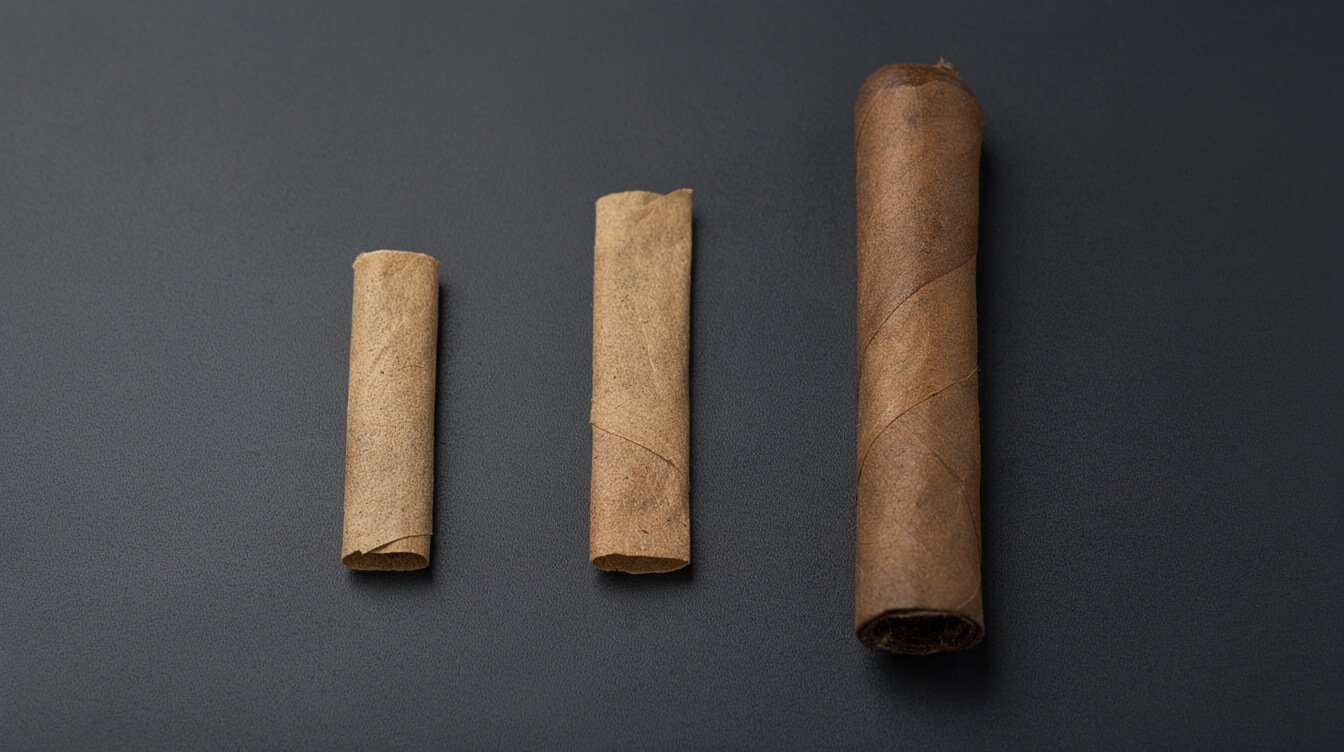
Size matters more than most first-timers expect, and it’s the easiest lever for controlling how much you’re actually smoking:
- Mini / cigarillo wraps (roughly 3–4 inches): hold about half a gram to a gram. The right choice for a solo session or a first attempt — shorter means less to fill evenly, and less riding on getting every step perfect.
- Standard cigarillo wraps (4–5 inches): the most common size, holding around a gram. The default most of the wrap brands you’ll see are built around.
- Full cigar wraps (5+ inches): hold two grams or more. Built for a group, and noticeably harder to roll evenly on a first try since there’s more length to keep consistent.
If you’re rolling your first blunt, size down. A mini that turns out a little lumpy is a five-minute lesson; a full cigar wrap that canoes halfway through is a wasted gram and a half.
Common mistakes (and how to fix them)
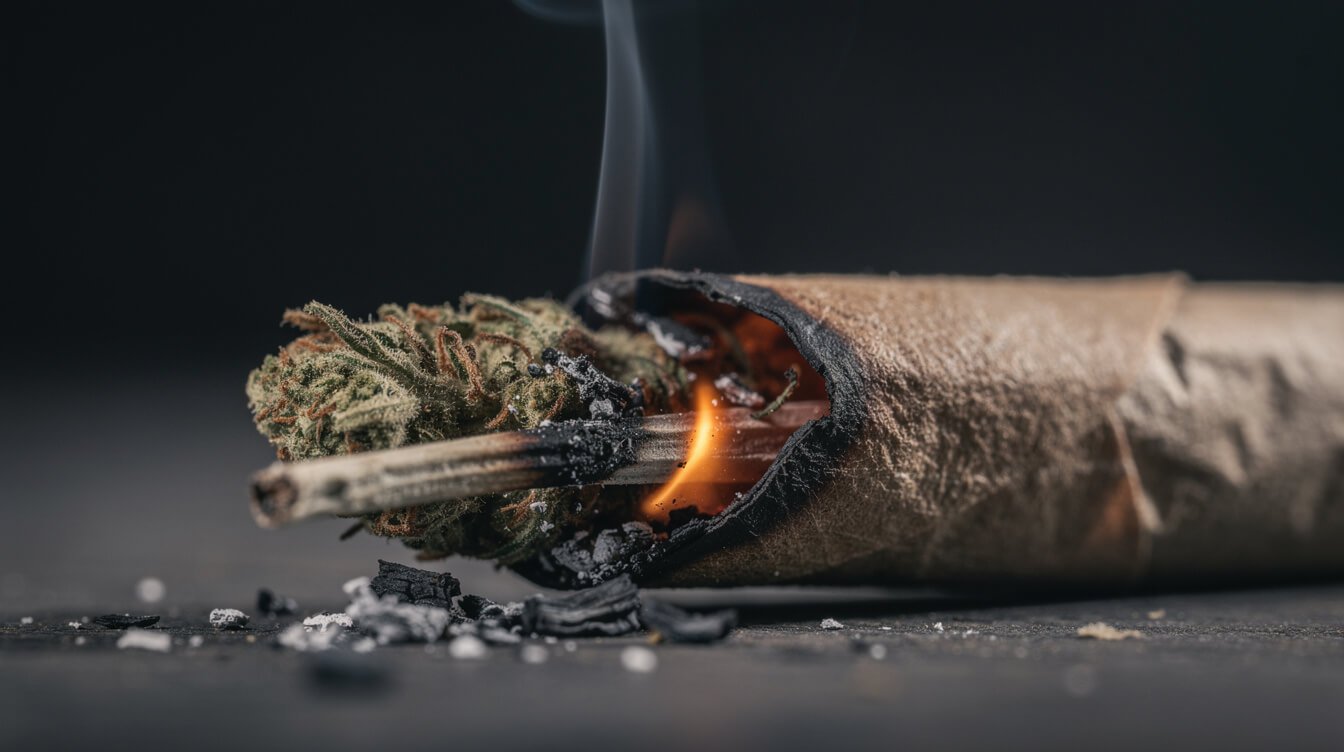
Most of what goes wrong the first time someone tries how to roll a blunt traces back to one of these five fixes:
- Canoeing. One side burns faster than the other, hollowing out like a canoe. Almost always an uneven grind or uneven fill — fix it going forward by distributing more carefully, and in the moment, rotate the blunt as you smoke to even out the burn.
- Rolled too loose. Airy, fast-burning, and prone to falling apart. Pack it tighter during the roll-and-shape step, not after — you can’t fix a loose blunt once it’s sealed.
- Rolled too tight. Won’t draw air, goes out constantly. Ease off the pressure slightly next time; a blunt should feel firm, not rock-hard.
- Torn wrap. Usually too much moisture too fast, or trying to roll a wrap that’s dried out and gone brittle. A cracked wrap can sometimes be patched with a small strip from a spare wrap and a bit of moisture — not pretty, but it works in a pinch.
- Unsealed seam unraveling mid-smoke. Skipped the dry-and-finish step, or didn’t hold pressure on the seal long enough. Give it the extra ten seconds; it’s worth it.
- Filled too close to the ends. Cannabis spills out the tips the first time you touch it. Leave a clean half-inch of empty wrap on each end before you start rolling, so there’s material left to twist or tuck closed.
- Wrap dried out before you even started. Cracks and flakes instead of folding. This is a storage problem, not a technique problem — see the freshness note above, or swap in a fresh wrap rather than fighting a bad one.
Blunts vs. joints: which should you roll?
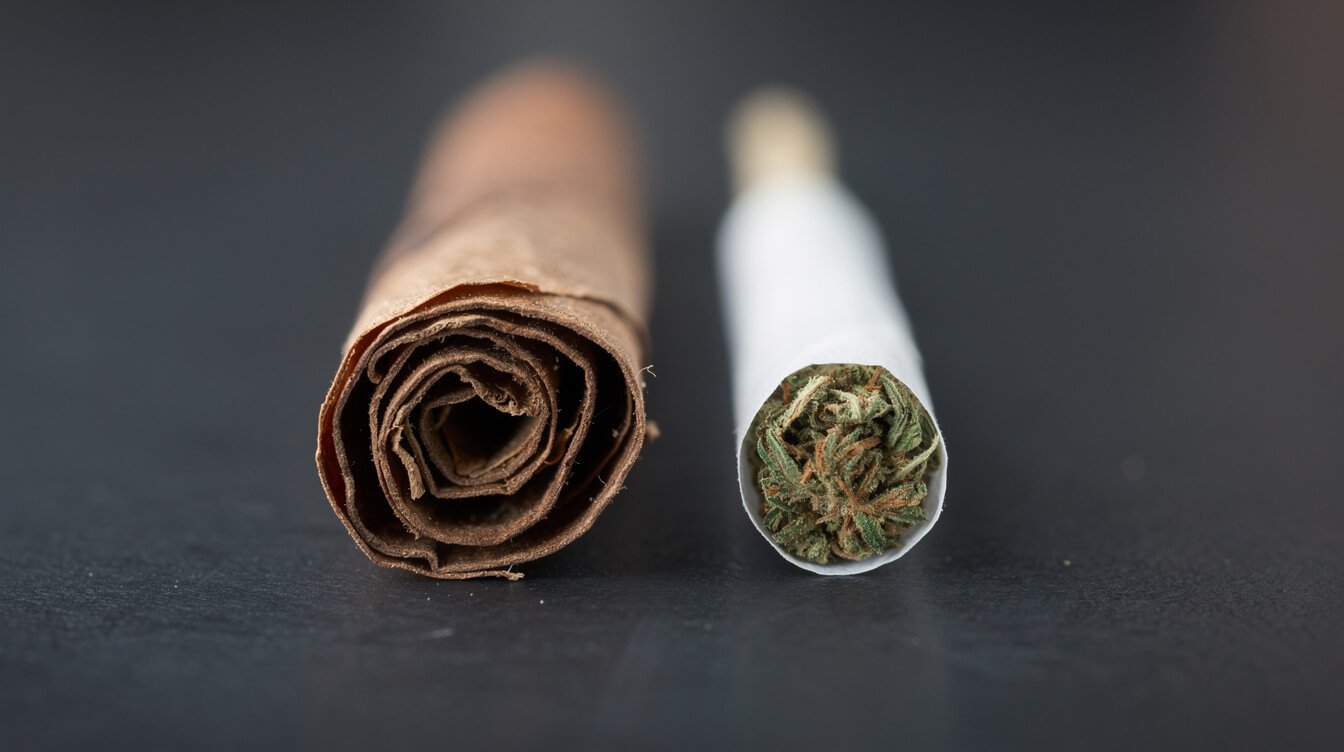
Neither is objectively better — they’re built for different situations. If you already know your way around rolling papers, our guide to rolling a joint covers that side in full detail. Quick honest comparison:
- Group smoking: blunt. It holds more flower and burns long enough to make it around a circle more than once.
- Solo, quick session: joint. Faster to roll, faster to smoke, no nicotine along for the ride.
- Tasting the strain’s actual flavor: joint, or a tobacco-free wrap blunt. A tobacco-leaf wrap will compete with and often dominate a cannabis flower’s own terpene profile.
- New to smoking, or nicotine-sensitive: joint, or a hemp/palm-leaf wrap. Skip the tobacco-leaf wrap until you know how nicotine sits with you.
- Slow, long burn without a group: blunt, sized down — a single cigarillo-sized wrap rather than a full cigar wrap.
FAQ: how to roll a blunt
How much weed do you need for a blunt?
About 1 gram for a standard cigarillo-sized wrap, up to 2+ grams for a full cigar-sized wrap. Start smaller if it’s your first one — you can always roll a second.
Do you have to use tobacco to roll a blunt?
No. Hemp and palm-leaf wraps give you the same format and slow burn without any tobacco or nicotine. Technically, once you swap the wrap for a non-tobacco one, it’s more of a “blunt-style” roll than a traditional blunt — but it smokes the same way.
Why does my blunt keep going out?
Almost always rolled too tight, or the grind is too fine and packed too densely to pull air through. Loosen up the pack slightly next time.
How long does a blunt last compared to a joint?
Meaningfully longer — the thicker wrap and typically larger fill mean a blunt can outlast a joint of the same amount of flower by a wide margin, especially in a group where it’s not burning continuously between hits.
Can I roll a blunt without a grinder?
You can hand-break the flower, but expect a less even burn and more lost trichomes. A basic grinder is inexpensive and solves this permanently — worth it if you’re rolling more than once. If you already have one and are wondering whether an upgrade is worth it, our stainless steel grinder breakdown covers that trade-off honestly.
Is it fine to drive after smoking a blunt?
No. THC impairs reaction time and judgment regardless of what it’s rolled in, and a blunt typically delivers more total cannabis per session than a joint. Plan a ride, or stay in for the night.
What’s the actual difference between a blunt and a spliff?
A blunt is cannabis rolled in a tobacco-leaf wrap by itself. A spliff is cannabis and loose tobacco mixed together and rolled in a thin cannabis rolling paper — so a spliff still has nicotine in the mix, just delivered differently than a blunt’s whole-leaf wrap. For the full side-by-side, including what a controlled study found about which one hits harder, see our blunt vs spliff vs joint breakdown.
Can you use flavored wraps?
Yes — flavored tobacco wraps (grape, cherry, and similar) are widely available and work exactly the same way technique-wise. They still carry the same tobacco leaf and nicotine as an unflavored wrap; the flavoring doesn’t change that.
How do you store a rolled blunt for later?
Stand it upright or lay it flat somewhere it won’t get crushed, ideally in an airtight container out of direct light and heat. A finished blunt left loose in a pocket or bag is the single fastest way to end up with a crushed, unsmokable wrap.
Final thoughts
Learning how to roll a blunt is a physical skill — grind, prep, fill, roll, seal, dry — and it gets noticeably easier after your first two or three attempts. The bigger decision is the wrap: tobacco leaf gets you the classic flavor and the nicotine that comes with it, hemp and palm leaf get you the same slow burn without it. Know which one you’re choosing and why, keep your grind even, and don’t rush the seal. And whichever you roll — know your local laws, keep it to legal adult possession limits, and don’t get behind the wheel afterward.
Before you go
Get the next explainer first
We publish a new one every day. The best of the week, plus what's new in the shop, lands in one short email.