Best Beginner Strains to Grow Indoors (and What Actually Makes Them Easy)
The honest answer: the “best beginner strains to grow indoors” aren’t the ones with the flashiest names on a seed-bank homepage — they’re the ones that forgive your mistakes while you’re still learning what a healthy plant even looks like. Genetics that shrug off a missed feeding, don’t sulk over a temperature swing, and finish flowering on a predictable schedule. That’s it. That’s the whole secret.
Growing at home is legal in some places and not in others, and the rules on plant counts vary a lot even where it’s allowed — so check your local law before you plant anything. This guide assumes you’ve already cleared that hurdle and just want to know which genetics actually make sense for a first grow, and why.
What actually makes a strain one of the best beginner strains to grow indoors
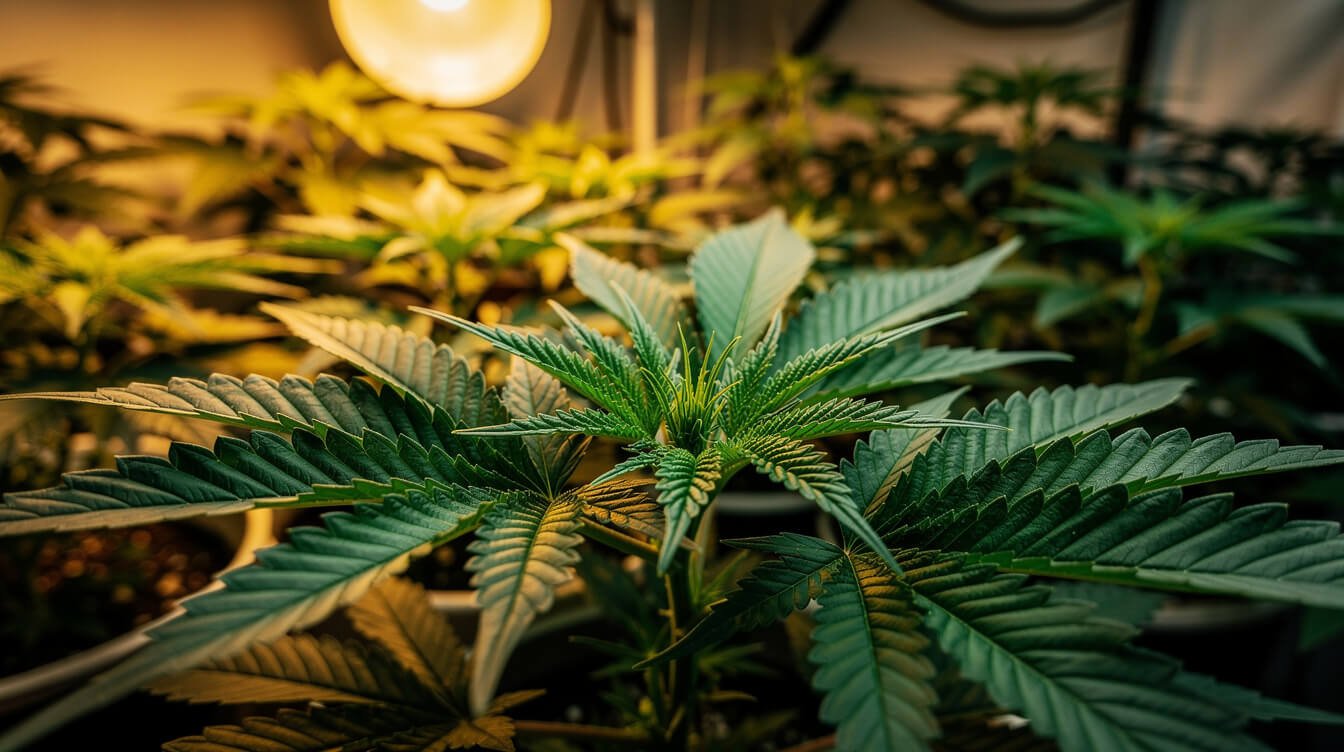
Every strain guide on the internet lists names. Almost none of them explain what “easy to grow” actually means mechanically. Here’s the real checklist — the traits that separate a forgiving first plant from a stressful one:
- Vigor. Fast, aggressive early growth. A vigorous seedling recovers from a transplant shock or a skipped watering in a day or two instead of sulking for a week.
- Mold and pest resistance. Dense, tight bud structure traps humidity. Loose, airy colas breathe better and are far more forgiving if your indoor humidity control isn’t dialed in yet — which it won’t be, the first time.
- Nutrient tolerance. Some genetics show burn from a slightly-too-strong feed within a day. Others shrug off a beginner’s overzealous nutrient schedule. You want the second kind.
- Predictable flowering time. Strains that finish in a tight, well-documented window (say, 8–9 weeks, not “8 to 14 depending”) let you plan your grow instead of guessing.
- Manageable height and stretch. A plant that triples in height the moment you flip to flower will outgrow a small tent fast. A plant that stretches modestly stays inside your light’s sweet spot.
None of these traits show up on a flashy strain name. They show up in grow reports, breeder data sheets, and — most usefully — in what actual home growers say after running the strain themselves, not in the marketing copy above the “add to cart” button.
Indica-dominant, autoflower, or photoperiod hybrid — which type is easiest first
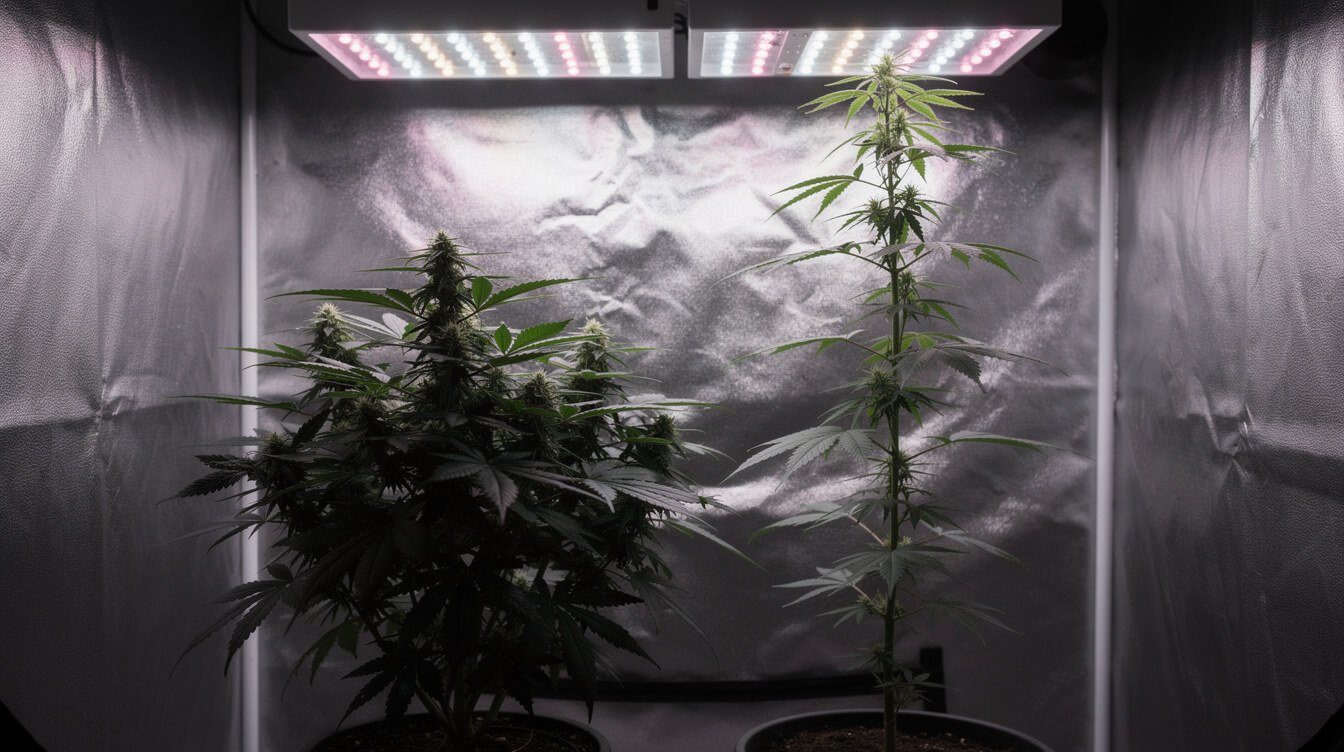
Quick honesty check: “indica vs. sativa” is mostly marketing when you’re talking about the high you’ll feel — terpenes and individual genetics drive most of that, not the indica/sativa label. But for growth habit, the old indica/sativa split is still a genuinely useful rough signal, because it’s describing a real historical growth pattern, not a marketed effect.
Here’s how that plays out for a first grow:
Indica-dominant hybrids
Generally shorter, bushier, and quicker to finish flowering than sativa-leaning genetics. That combination — short, stout, predictable — is exactly what you want in a first grow tent. Less stretch to manage, less risk of a plant slamming into your light.
Autoflowering strains
Bred from ruderalis genetics, these flip to flowering on their own after a few weeks regardless of your light schedule, instead of waiting for you to switch the timer to 12/12. The upside for beginners: shorter total grow time (often 8–10 weeks seed to harvest) and one less variable to manage. The tradeoff: less forgiving of stress early on, since they don’t have a long vegetative phase to bounce back in, and usually a smaller final yield.
Photoperiod hybrids
These need you to control the light schedule to trigger flowering, which adds a step — but it also means you can vegetate longer to build a bigger plant, or top and train it, in a way autoflowers don’t tolerate well. Most of the well-documented “beginner-friendly” genetics on grower forums are photoperiod hybrids, precisely because there’s more real-world data on how they behave.
If you want the simplest possible first run: a beginner-friendly autoflower. If you want more control and don’t mind one extra step: an indica-dominant photoperiod hybrid.
One more practical difference that rarely makes it into strain guides: light-leak tolerance. Photoperiod plants flower in response to uninterrupted darkness — a stray light leak into your tent at night during flower can stress the plant, delay flowering, or in bad cases cause it to re-veg or hermie. Autoflowers don’t rely on a light schedule to flower, so a leaky tent door or a phone checked at 2 a.m. isn’t the same kind of risk. If your grow space isn’t fully light-sealed yet, that alone is a point in favor of starting with an autoflower.
Beginner-friendly genetics worth knowing (names, not a shopping list)
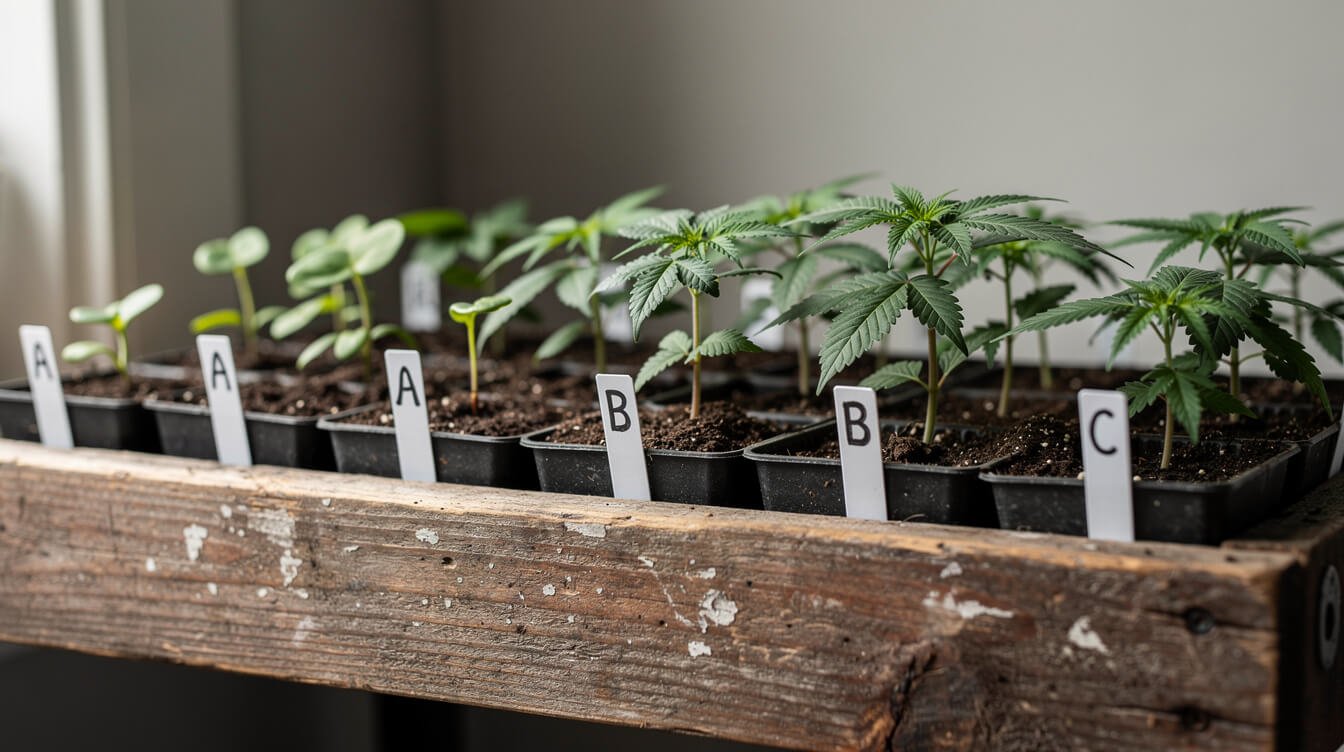
These names come up again and again in home-grower communities specifically for their forgiving growth habit — not because any seed company paid to put them there. Treat this as “what to search for,” not a specific product to buy from us or anyone else. Genetics vary by breeder and even by individual seed batch, so the same strain name from two different sources can behave a little differently.
- Northern Lights. The textbook example of an indica-dominant beginner strain — short, dense, fast-finishing (around 7–9 weeks), and famously tolerant of a new grower’s mistakes.
- Blue Dream. A hybrid with a reputation for vigorous early growth and forgiving nutrient tolerance, though it stretches more than Northern Lights, so give it more vertical room.
- White Widow. Bushy, resilient, and known for shrugging off minor environmental swings — a solid pick if your grow space isn’t climate-controlled yet.
- Girl Scout Cookies (GSC) and its crosses. Slightly more demanding than the three above, but widely grown specifically because it’s well documented — thousands of grow journals mean you can troubleshoot almost any issue with a quick search.
- Well-reviewed autoflower lines (often sold simply as “autoflower” versions of the strains above). Look for ones specifically marketed as beginner or “easy” autoflowers, and check recent grower reviews rather than the seed description alone.
Notice what’s missing: anything exotic, rare, or with a triple-digit price tag. The best first strain is almost never the most expensive one on the page.
A word on phenotype variance, since it trips up a lot of first-timers who assume a strain name is a fixed recipe: cannabis genetics express as a range, not a single result. Two seeds from the same “Blue Dream” pack can grow noticeably differently — one leaner and more sativa-leaning in structure, one shorter and stockier — because the parent genetics aren’t perfectly stabilized. Breeders who’ve spent years stabilizing a line (fewer surprises pack to pack) are generally a safer beginner bet than a brand-new, unreviewed cross, even if the newer cross has flashier marketing.
The traits that matter more than the strain name
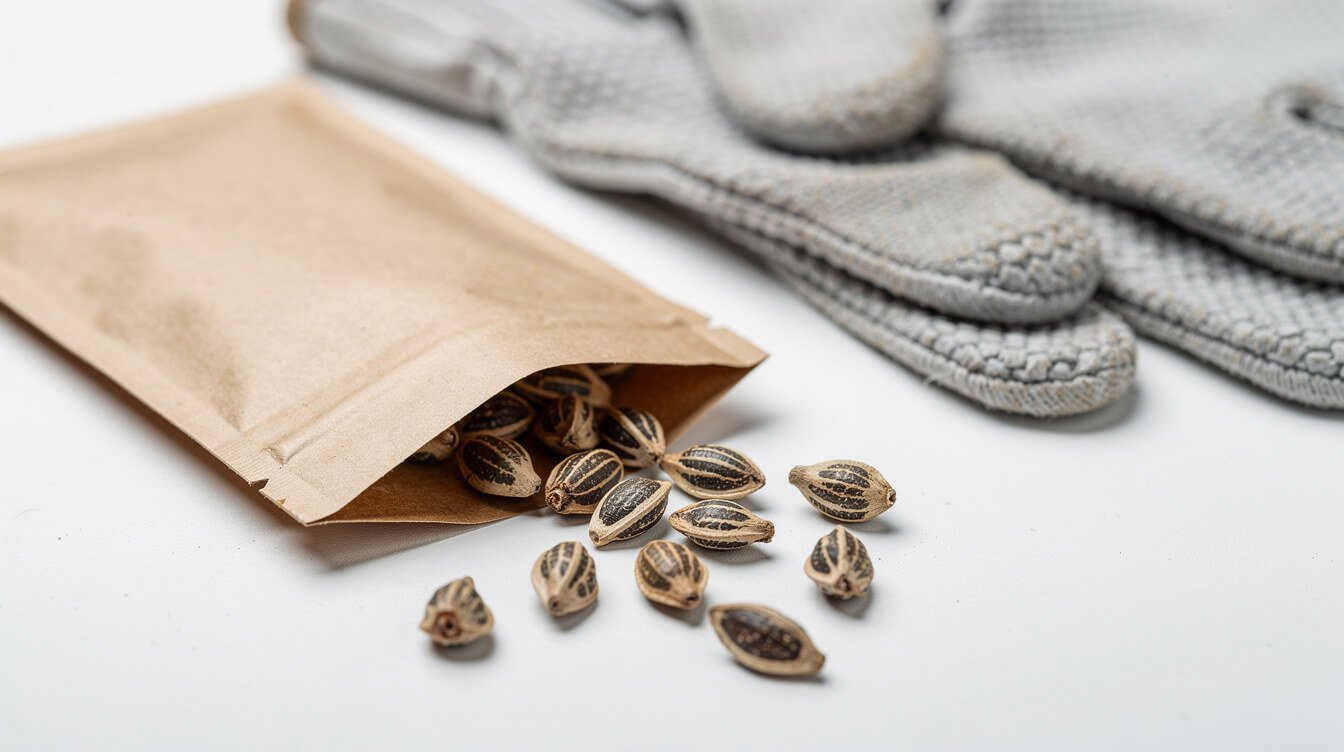
Here’s the part most “top 10 strains” listicles skip entirely: strain name is maybe 30% of how easy your grow actually is. The rest is genetics variance within that strain, and your own setup. A few things worth checking before you commit to seeds:
Feminized vs. regular seeds
Feminized seeds are bred to produce only female plants (the ones that produce bud), which matters a lot for a beginner growing one or two plants — you don’t want to spend eight weeks growing a male you’ll have to discard. Regular seeds are cheaper and preferred by breeders, but not ideal for a first grow with limited space.
Stated flowering time (and the real-world range around it)
A seed description that says “8 weeks flowering” is giving you the middle of a range that’s often 7–9 weeks in practice, depending on your light spectrum and temperature. Build in a buffer rather than planning your harvest party for the exact day the label says.
Reported mold resistance in your specific climate
A strain that’s rock-solid against mold in a dry climate can still get bud rot in a humid one if bud structure is dense. Search grower reports specifically from people growing indoors with a humidity level close to yours.
Available grow data
A strain with hundreds of public grow journals is inherently more beginner-friendly than one with five, simply because when something goes wrong, you can find someone who’s already solved it.
Odor and discretion
Rarely mentioned in strain guides, but genuinely relevant for a first-time indoor grower: some genetics get noticeably pungent in the last few weeks of flower, well before you’ve bought or dialed in a carbon filter. If you’re growing in a shared house, apartment, or anywhere smell matters, that’s worth checking in grower reviews alongside the growth traits above — a strain described as “loud” or “skunky late flower” means you’ll want your odor control sorted before you plant, not after the smell becomes a problem.
GanjaTech, weekly
Cannabis, explained. In your inbox.
One email a week: the clearest explainers, honest gear picks, and what the science actually says. 21+ only. No spam, unsubscribe anytime.
Matching a strain to your actual grow setup
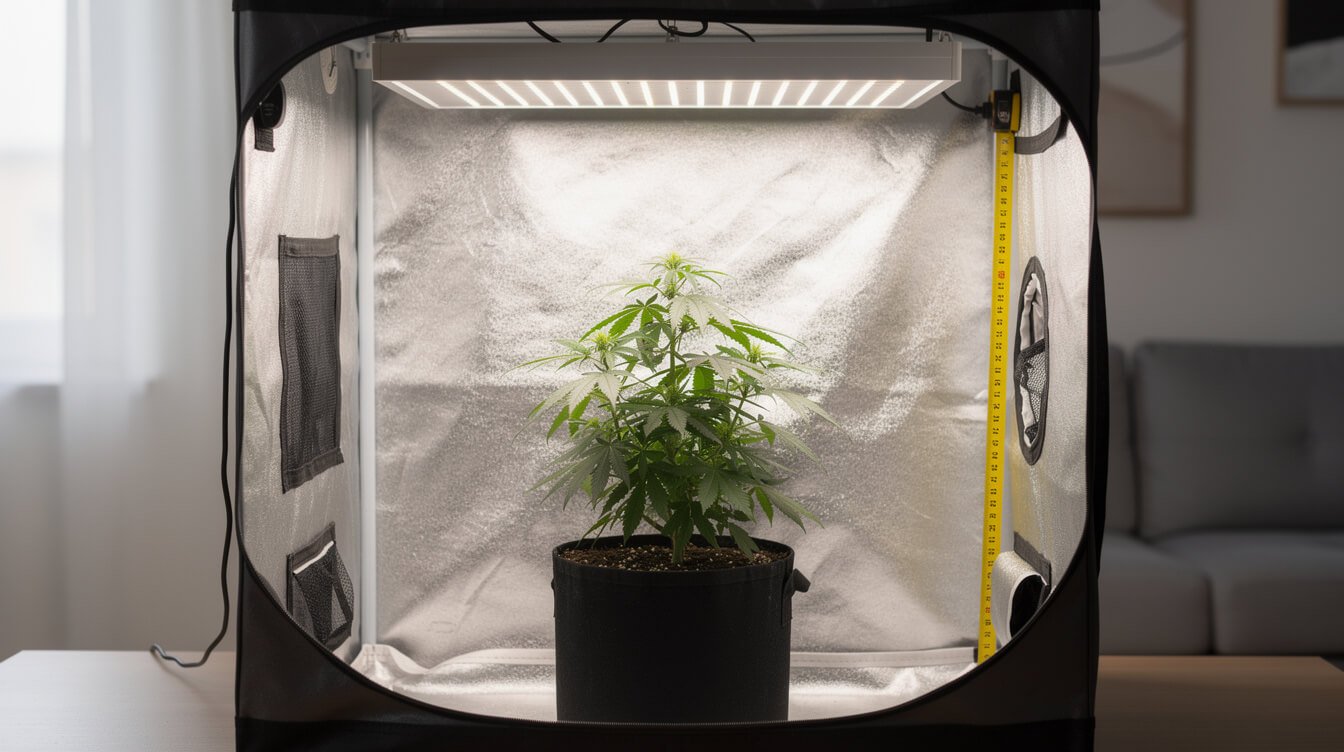
The best strain on paper is the wrong strain if it doesn’t fit your space. A few real constraints to check before you buy seeds:
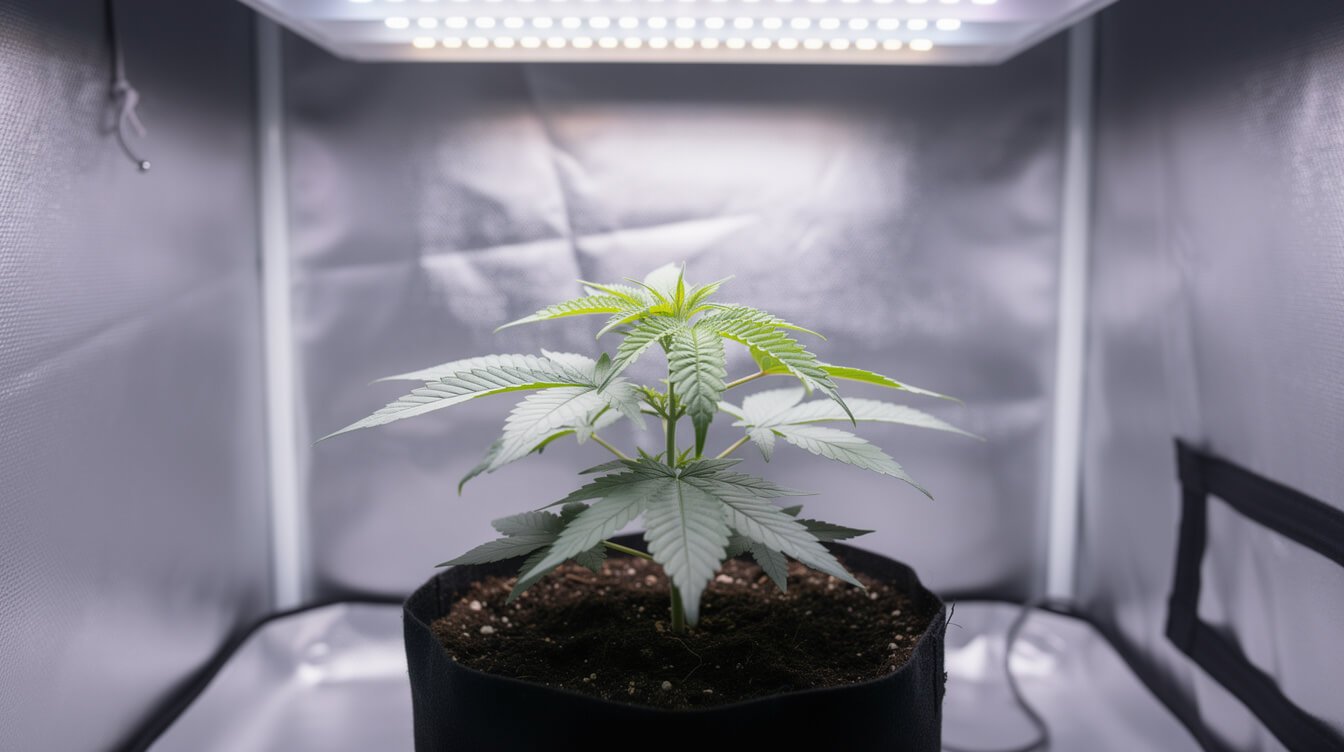
- Tent or closet height. If you’re working with anything under 4 feet of usable vertical space, a low-stretch indica-dominant or autoflower is close to mandatory — a sativa-leaning hybrid can triple in height during flower and slam into your light.
- One plant vs. several. Growing a single plant changes the math entirely — you get to put more attention into that one plant, but you also have zero backup if it turns out male (with regular seeds) or struggles. If you’re running a single-plant setup, our breakdown of the best led grow light for one plant covers the light-to-space ratio in more detail.
- Your light’s actual output, not its box wattage. A strain bred to finish with big yields under a serious light will look stunted and stressed under an underpowered one — that’s a setup problem masquerading as a “hard strain,” which trips up a lot of first-timers.
- Total grow timeline you’re willing to commit to. An autoflower’s 8–10 week seed-to-harvest cycle is a very different commitment than a photoperiod hybrid’s 12–16 weeks including a longer veg. Pick based on how much time you actually want to spend, not just how the strain photos look.
A rough sizing example, since “how big will it get” is the question most first-timers actually want answered: in a 2×2 foot tent, a low-stretch indica-dominant plant or an autoflower trained low will comfortably fill the footprint without crowding the walls. The same tent with a sativa-leaning hybrid that doubles or triples in height during flower will likely outgrow the space before harvest — that’s the plant fighting its environment, not a “hard to grow” strain. A 2×4 or larger tent gives a stretchier hybrid the vertical room it actually needs.
If you haven’t nailed down your full setup yet — light, tent, ventilation — our complete walkthrough on how to grow cannabis indoors covers the space and equipment side step by step, and pairs well with the strain picks above.
Beginner mistakes that have nothing to do with strain choice
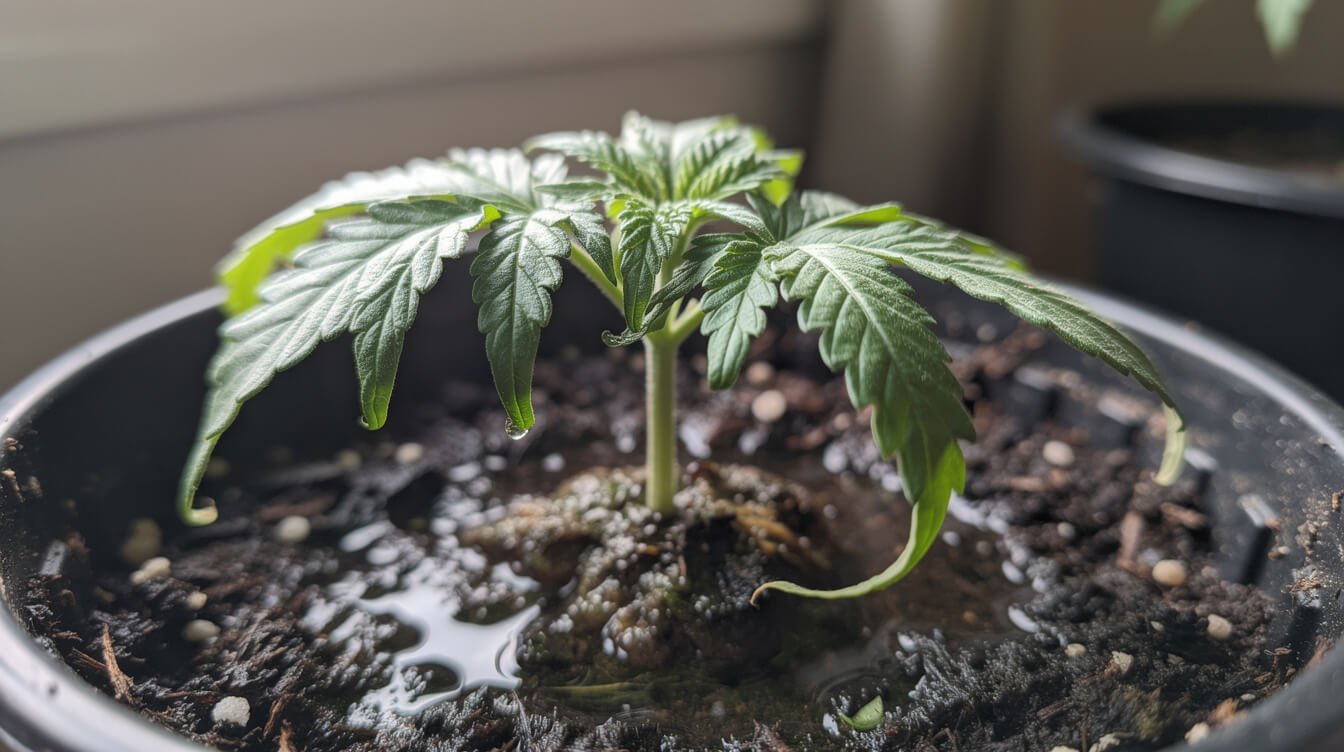
Worth saying plainly: most “my grow failed” stories from first-timers have nothing to do with picking the wrong genetics. The strain gets blamed because it’s the easiest thing to point at, but the actual causes are almost always:
- Overwatering and overfeeding. By far the most common beginner mistake, and it happens regardless of strain. More nutrients does not mean more growth — it usually means burned tips and a stressed plant.
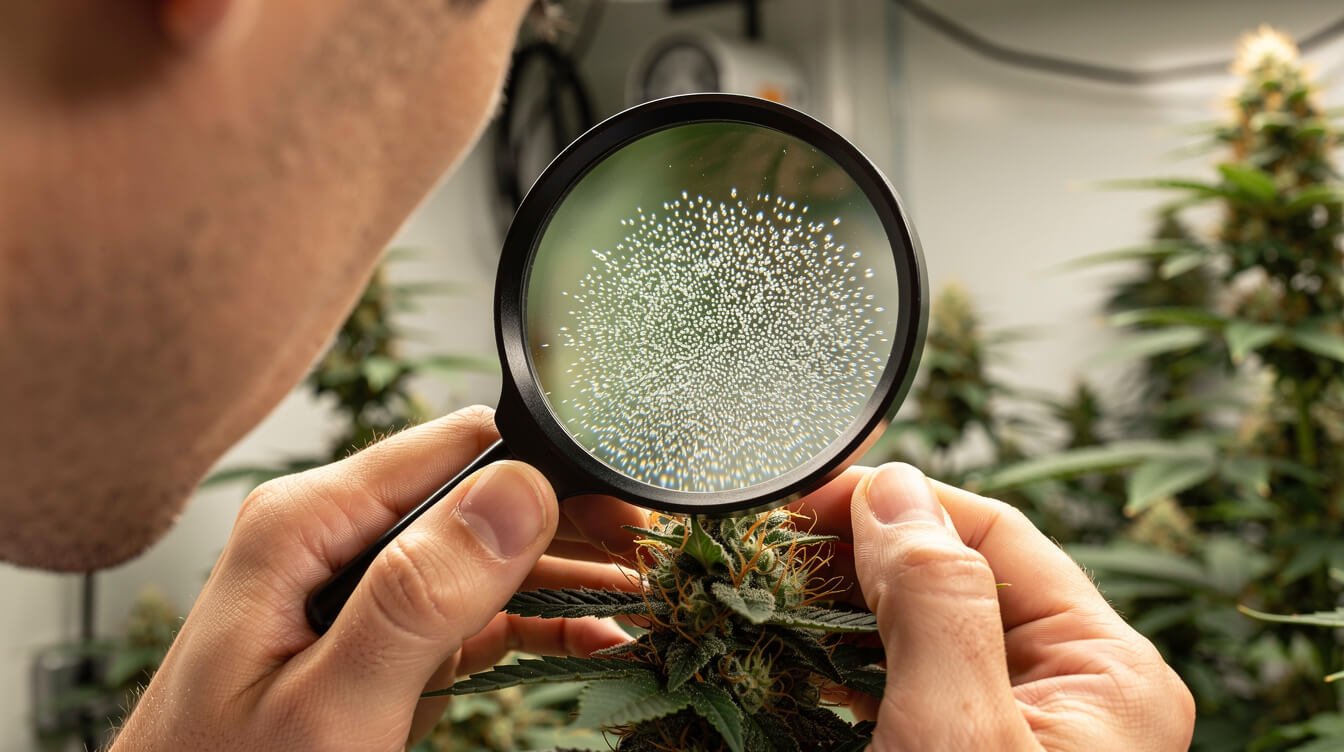
- Harvesting too early. Cloudy-not-amber trichomes and impatience are a rough combination. A strain with a “beginner-friendly” reputation can still get chopped two weeks premature by an excited first-timer.
- Ignoring light distance and intensity. Light burn and light stress show up as symptoms that look a lot like a “difficult strain” — curled leaf tips, bleached colas — when the actual issue is the light sitting too close or running too hot for the plant’s stage.
- Skipping the training-wheels environment checks. Temperature swings, humidity spikes, and airflow dead zones stress any strain. A resilient genetic buys you a margin for error — it doesn’t make you immune to bad conditions.
Pick a forgiving strain, yes. But also recognize that the single biggest lever on how “easy” your grow feels is how disciplined you are about the boring basics — watering less than you think you should, and trusting the trichomes over the calendar.
Frequently asked questions
Is it legal to grow cannabis at home?
It depends entirely on where you live. Some states and countries allow home cultivation of a limited number of plants for personal adult use; many others don’t allow it at all, even where possession or purchase is legal. Laws also change, so check your current local and state rules before you start — see our breakdown of how legal marijuana actually is for the state-by-state nuance.
Are autoflowering strains actually easier for a first grow?
In some ways, yes — no light-schedule flip to manage, and a shorter total timeline. In other ways, no — they don’t tolerate early stress or training as well, since they don’t have a long vegetative window to recover in. “Easier” depends on which part of growing you find hardest.
How many plants should a first-time grower start with?
One or two, if your local limit allows it. A single plant lets you put full attention into learning what healthy growth looks like, without the workload — or the risk — of managing several at once. Where legal limits allow more, most experienced growers still recommend starting small.
Does strain choice matter more than grow skill?
No. A forgiving strain narrows your margin for error, but it doesn’t eliminate the need to get watering, light distance, and harvest timing right. Think of strain choice as picking easier training wheels, not skipping the bike lessons.
What if I can’t find feminized seeds for the exact strain I want?
Look for a close relative or a cross bred from the same genetics — most well-documented beginner strains have several feminized crosses available with similar growth habits. The specific strain name matters less than the traits underneath it (vigor, resistance, predictable flowering) that this guide walks through above.
Do beginner-friendly strains cost more than others?
Not usually — if anything, the well-established genetics covered here tend to be some of the more affordably priced options precisely because they’ve been around long enough to be widely produced. Rare, newly released crosses are often priced higher on novelty, not on being easier to grow.
Will growing indoors make the whole house smell like weed?
It can, especially in the last few weeks of flower, if you don’t have odor control in place. A carbon filter sized for your tent’s airflow is the standard fix, and it’s worth having ready before flower starts rather than reacting once the smell shows up — particularly if you picked a strain known for being pungent late in flower.
Final thoughts on the best beginner strains to grow indoors
The genetics that make a first grow easier aren’t secret or expensive — they’re the ones with a long track record of forgiving new-grower mistakes: Northern Lights, Blue Dream, White Widow, and their well-documented autoflower cousins. But the strain is only one part of the equation. Matching that strain to your actual tent size and light, and getting the boring basics right — water less than feels natural, check trichomes instead of the calendar, keep the light at the right distance — will do more for your first harvest than any single genetic pick.
Start small, start with a forgiving strain, and treat your first grow as the education it is. The second one is always easier.
Before you go
Get the next explainer first
We publish a new one every day. The best of the week, plus what's new in the shop, lands in one short email.